

Researchers Take Aim at Growing Tick Threat
Stony Brook and state scientists are combining surveillance, clinical research and vaccine studies to combat a widening range of tick-borne illnesses.
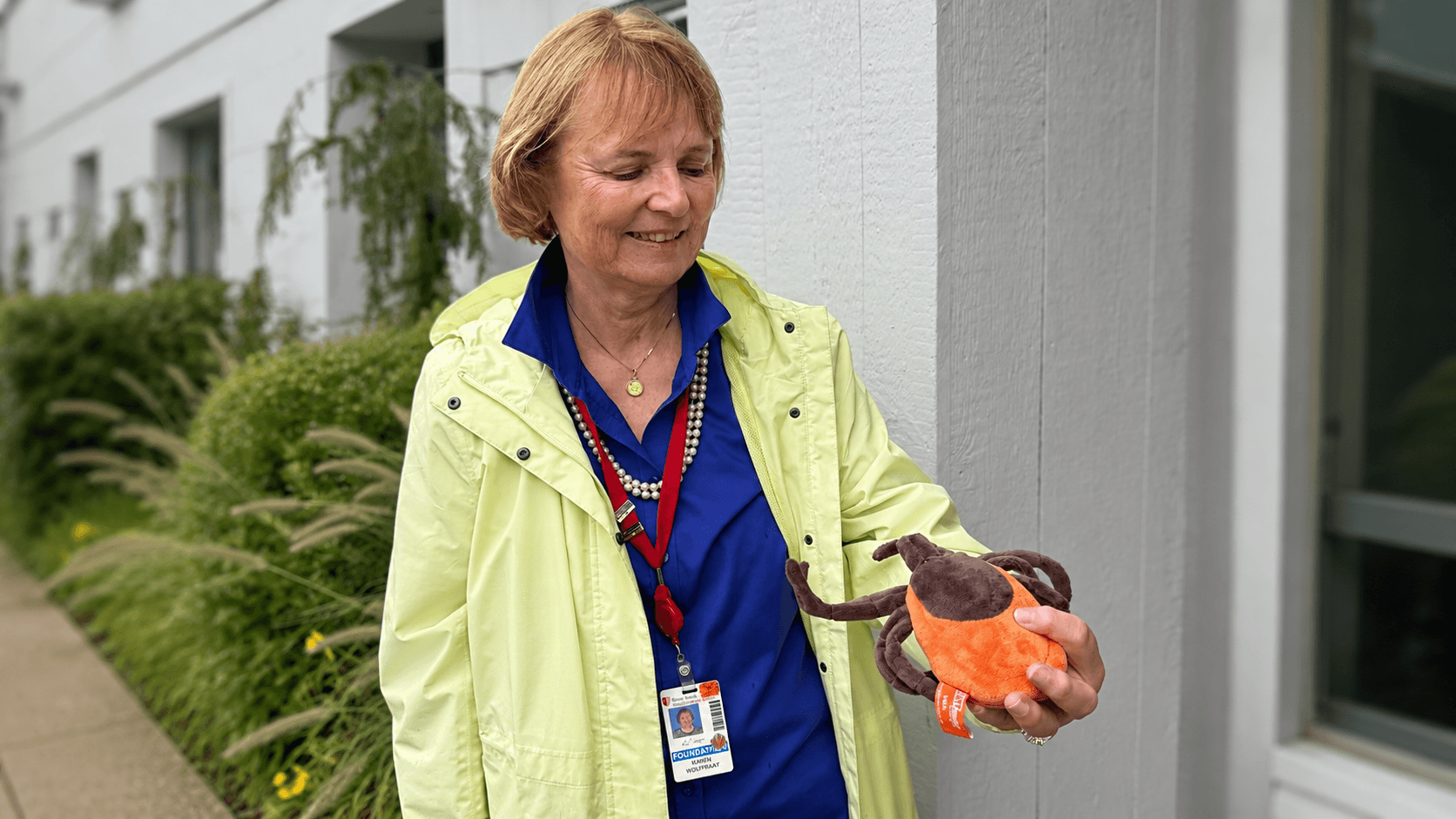
Long Island has become a front line in the scientific battle against ticks, with Stony Brook researchers and New York State health officials working to better understand, prevent and treat the diseases they carry.
The effort has deep roots. Stony Brook researchers helped establish the connection between the bacterium that causes Lyme disease and the illness more than four decades ago, and the university continues research into Lyme and other emerging tick-borne threats.
“Stony Brook has contributed to important research in this field,” said Dr. William Wertheim, executive vice president of Stony Brook Medicine, pointing to work involving Lyme meningitis treatment, Lyme disease vaccination and emerging tick-borne infections.
The work increasingly extends beyond Lyme. Stony Brook researchers are studying immune responses, prolonged symptoms following infection and emerging diseases, while alpha-gal syndrome — the meat allergy associated with certain tick bites — has become another focus.
State scientists are attacking the problem from another direction. The Department of Health routinely collects and analyzes tens of thousands of ticks from parks and preserves, tracking tick populations, their behavior and the pathogens they carry. The information is used to identify regional trends and guide prevention efforts.
The need is growing. New York has averaged more than 17,500 reported Lyme disease cases annually over the past three years, while babesiosis, anaplasmosis and other infections continue to be reported.
“There are a lot more of them than us and the ticks are winning,” state Health Commissioner Dr. James McDonald warned during his visit to Stony Brook Southampton Hospital’s Regional Tick-Borne Disease Resource Center and Clinic in Hampton Bays.
Researchers, however, are fighting back. Stony Brook officials say their approach brings laboratory science, clinical treatment and public-health expertise together, with research intended to move discoveries from the laboratory into better prevention, diagnosis and treatment for patients.
As Wertheim put it, effective prevention, surveillance, diagnosis, treatment and research require strong partnerships among academic medicine and state and local health agencies.
You Might Also Be Interested In

Historic Manor of St. George To Host March For Liberty

Democrat Chief’s Deals Under Investigation

Legendary CIA Operative Coming to Long Island