
State Expands Services as Immigration Fight Grows
New York is increasing spending on services regardless of immigration status as Gov. Hochul restricts cooperation with federal immigration enforcement.
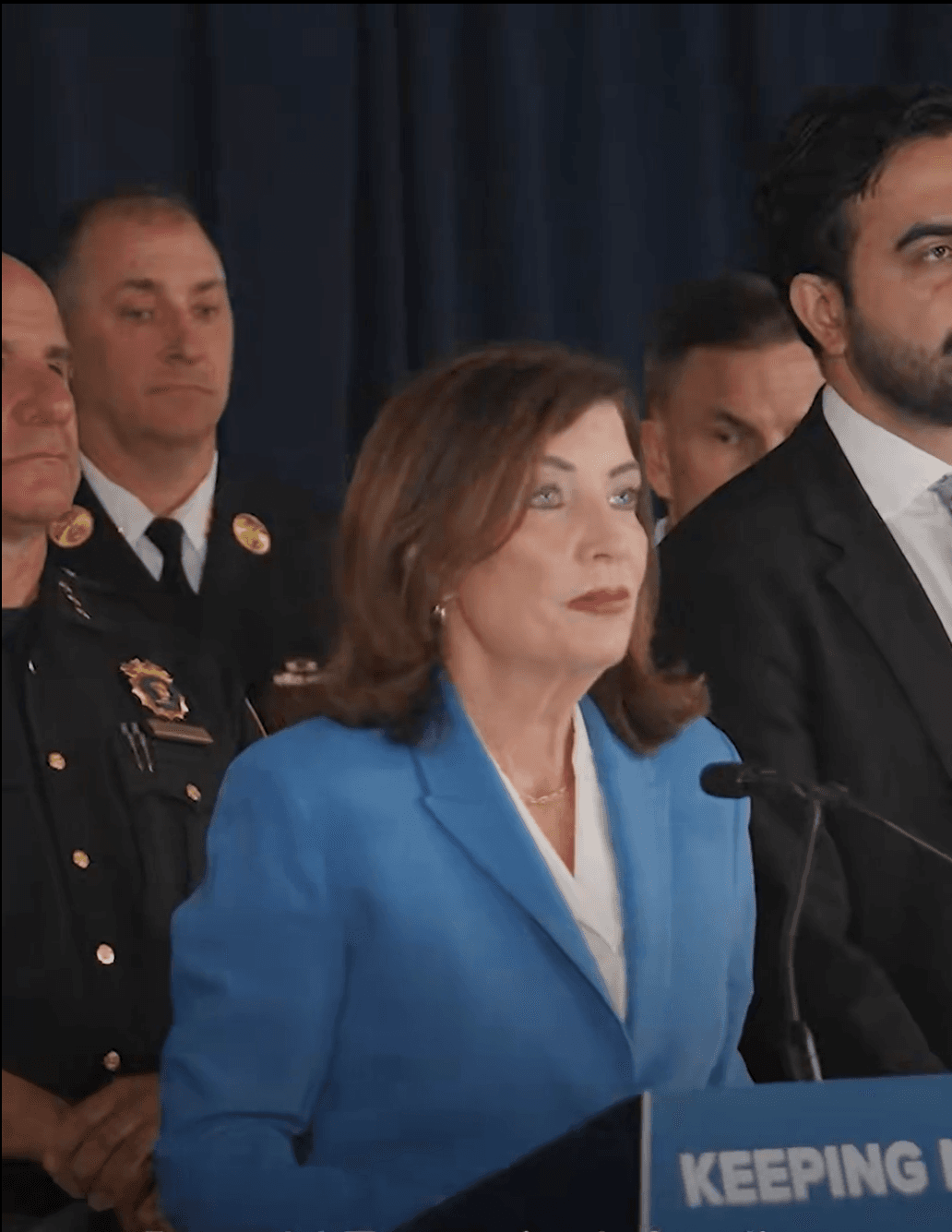
New York taxpayers are funding an expanding network of free services available to immigrants regardless of legal status as the state strengthens policies limiting cooperation with federal immigration authorities.
The state Office for New Americans (ONA) defines those it serves as people born abroad and their children, “irrespective of immigration status,” according to a recent state comptroller audit.
Through nonprofit providers, the office offers an extensive array of free services, including immigration lawyers and direct legal representation, English-language instruction, citizenship and civics preparation, mental-health counseling and support groups, developmental-disability assistance and workforce development.
The state also provides free basic digital-literacy and advanced software-coding training through its New Americans Can Code program. Its Professional Pathways program provides job coaches and helps highly skilled immigrants obtain training and certifications needed to find employment matching their experience. English instruction is even available through a cellphone-based program.
ONA also operates a hotline providing immigration and naturalization information, referrals to free legal assistance — including for people being detained — and help reporting immigration-related fraud. Calls are anonymous, assistance is available in more than 200 languages, and the hotline operates seven days a week.
The newly enacted 2026-27 budget provides approximately $82.5 million for ONA, including $74.2 million for immigrant legal services and related programs — up $10 million, or 15.6%, from last year. The additional funding comes amid stepped-up federal immigration enforcement and greater demand for deportation defense and other legal representation.
The ONA funding represents only a fraction of New York’s broader immigration-related spending. According to state Comptroller Thomas DiNapoli, New York plans to spend $3.9 billion in emergency funding on the asylum-seeker response from fiscal years 2023 through 2027, with $2.68 billion already spent through June 2026. Those costs include shelter, National Guard deployments, health care, Safety Net Assistance, resettlement, case management and legal services.
Meanwhile, the new budget prohibits local governments from entering federal 287(g) immigration-enforcement agreements and allows numerous “sensitive locations” to deny immigration officers access to non-public areas without a warrant.
The spending raises questions about Albany’s priorities as veterans, homeless New Yorkers and other vulnerable populations also compete for taxpayer resources.
For critics of Hochul’s immigration policies, the debate is increasingly not simply whether New York will provide sanctuary-like protections, but how much taxpayers should be required to spend providing services to people who entered or remain in the country illegally.
You Might Also Be Interested In

Shirley Auto: Where Expertise Meets Experience

Vietnam Veteran Lee Sinnickson to Lead Parade

Hammering History at the Manor of St. George