

A Deal for Longtime Illegal Immigrants Is Amnesty by Another Name
Trump now says his deportation push might be too tough and calls an immigration deal 'actually doable.' That walks straight into the trap Democrats have set for decades.
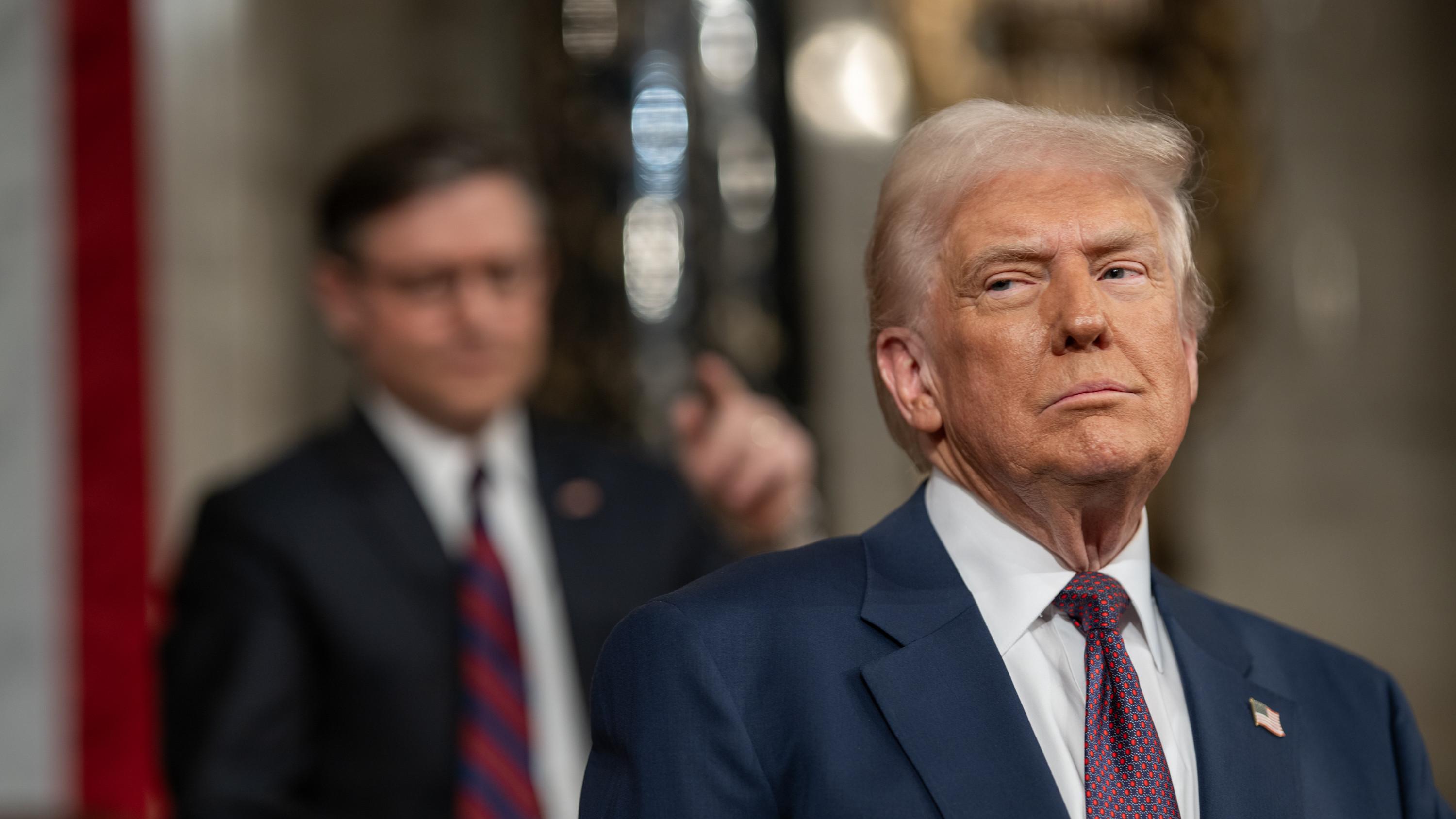
Donald Trump won back the White House by telling voters the country had been invaded and that he would reverse it. In an interview taped three days after voters handed his party a crushing midterm defeat and aired on Nov. 8, he started sounding like a man looking for the exit.
Asked whether his deportation policy had gone too far, the president supplied his own verdict. "I think it might be too tough, yeah," he said. "And a lotta people would say that it's great. But a lotta people think it's too tough." The crackdown, he added, "hurt me."
Then he floated the remedy. Pressed on what an immigration bargain with the incoming Democratic majority would look like, he said "the deal would be we would work something out," and called it "something that's actually doable." He then described a middle camp of Americans who would deport the killers and drug dealers and, in his words, "let the people that are here, and in some cases here for 10 and 15 years, work a deal for them."
Trump steered around the word amnesty in the interview. A deal that lets people who entered illegally remain because they managed to stay long enough is amnesty in every way that counts, whatever name gets stamped on the bill. On Nov. 9 he told reporters "There won't be amnesty" and "my policy hasn't changed." When a reporter pressed him later in the session about dealing with Democrats on immigration, he answered, "I'm open to it. We're not going to have amnesty or anything." A president who rules out amnesty while staying open to a deal has hung a closed sign on a door he left unlocked.
That door is the oldest trap in Washington. Democrats take power and the border swings open. Millions pour in. Then Republicans win back control and try to enforce the law, and the campaign begins. It opens with photos of small children separated from their parents and the honest landscaper who pays his taxes, and before long officials are comparing immigration agents to the Nazi secret police. Minnesota Gov. Tim Walz told law graduates in May 2025 that "Donald Trump's modern-day Gestapo is scooping folks up off the streets." Massachusetts Rep. Jim McGovern wrote in January that immigration agents had "used Gestapo-like tactics to terrorize communities for nearly a year."
The shaming works. It feeds mindless street protests against enforcement of laws Congress itself passed, along with a steady supply of lawsuits and injunctions. Every month of delay lets another family put down roots, and every new root becomes an argument against removal, until some exhausted Republican agrees to let everybody stay forever.
Trump was supposed to be the man who saw through all of it. In Aurora, Colo., in October 2024, he vowed, "I will rescue Aurora and every town that has been invaded and conquered. These towns have been conquered." Weeks earlier on Long Island he mocked the mayor of Springfield, Ohio, for hiring English teachers "instead of saying, we're getting them all out." His party's platform promised the "largest deportation operation in American history."
To his credit, the numbers have been large. Immigration and Customs Enforcement counts a record 483,200 deportations for the fiscal year that ended in September. Yet a retreat came in February, when the administration wound down its Minnesota surge after deadly shootings by federal agents in Minneapolis and a storm of condemnation. A deal would turn a pause in one state into a national surrender.
His other two promises, ending wars and bringing down prices, have already cracked. On election night in 2024 he told supporters, "I'm not going to start a war. I'm going to stop wars." In January American forces struck Venezuela and seized Nicolas Maduro. On Feb. 28 the United States opened a massive bombing campaign against Iran, and on April 7 Trump announced a two-week ceasefire. The platform pledged to "quickly bring down all prices." Consumer prices climbed 0.6 percent in September and another 0.4 percent in October, and the gasoline index stood 37.4 percent above its level of a year earlier. Trump himself explained the defeat: "They didn't like the war. They didn't like the fact that gasoline went up."
Voters delivered that message with force. The Democrats will have more than 250 House seats, and the party flipped eight Senate seats for a projected 55 to 44 majority, with Alaska still uncalled.
Border enforcement is the last of the three promises still standing, and trading it away for applause from the politicians who likened his agents to the Gestapo would complete the set. Millions of voters who believed him in 2024 can only hope Trump remembers why they sent him back and takes this deal off the table.
You Might Also Be Interested In

MEDIA WATCH Different standards in media for different political commercials
Democrat Scott Colom Flips Mississippi Senate Seat in Upset

Jensen Huang Leaves Nvidia; Colette Kress Named Interim CEO