Bishops Back Sainthood Inquiry for Maria Middleton
Her archbishop has called for writings and testimony
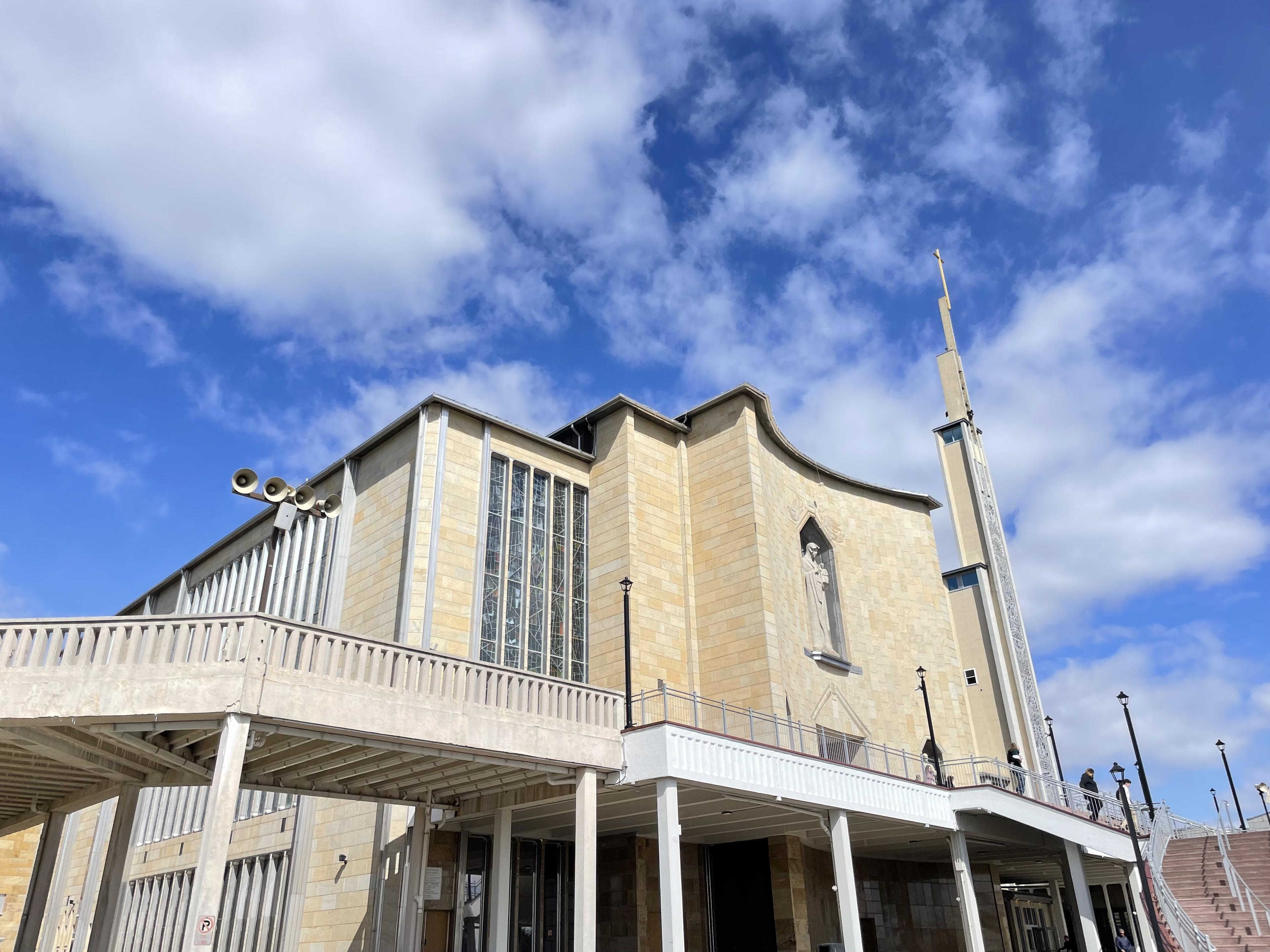
Catholic bishops in the United States voted on Nov. 17 to support a local inquiry into Maria Middleton, a Pennsylvania teenager who died at 18 after an inoperable brain tumor. The vote was an early and required consultation that must precede a formal local study.
Bishop Thomas John Paprocki of Springfield, Illinois, who chairs their panel on church law, presented the case with Philadelphia Archbishop Nelson J. Pérez, and the bishops voted to support advancing the cause on the local level. A day earlier, Pérez signed an edict stating her reputation for holiness and asking anyone with her writings, or with evidence for or against that reputation, to come forward. The notice is posted at Philadelphia's cathedral and at the Doylestown shrine where she is buried.
The Archdiocese of Philadelphia, in a biography provided to the bishops, said she was born in Doylestown on Sept. 10, 2002, to Brian and Susan Middleton. She was baptized that November and consecrated to the Virgin Mary. She grew up with weekly adoration and, at Villa Joseph Marie High School, started a yearly drive for young cancer patients before her own diagnosis.
The tumor was found in her sophomore year, when she was 16. Paprocki told the bishops it was terminal cancer in the brainstem, and that doctors gave her nine months to a year. In a journal cited by the archdiocese, she wrote that the illness had become, for her, the reason she was alive, and that God assigns a purpose to every person even when the pain is severe.
Nine months after the diagnosis she went to Uganda and spoke with students at a Catholic high school named for John Paul II, then raised money for that school. During the coronavirus shutdowns, at 17, she wrote to Pérez asking that churches be opened again so she could receive Communion. He brought the Eucharist to her house. She died on Oct. 8, 2020. The last line in her journal, the archdiocese said, was "think hope."
Paprocki told the bishops that hundreds of people gather each year on the date she died for a memorial Mass, and that reports of favors attributed to her prayers have arrived from the United States and from Italy, Poland and Uganda. Those reports have not been judged to be miracles. He said that if her holiness were recognized, "she would be a visible modern day witness of hope, especially to young people who are searching for meaning and purpose in life."
Under Vatican rules, a petition to open a cause may not be filed until five years from the death have elapsed, so grief can settle and a lasting reputation for holiness can be weighed. A pope may waive that wait. Benedict XVI did so in 2005, allowing the cause of John Paul II to open only weeks after the pontiff died. Middleton died in October 2020, so the five-year mark was reached in 2025, and no waiver was needed. Pérez has said he received the formal petition, known as a libellus, last summer.
After consulting other bishops and the faithful, a bishop asks the Vatican office that investigates sainthood causes for a finding that the path is clear, then may open a local inquiry. Only after that opening may the person be called a Servant of God, a title Middleton has not received. A finding from Rome and a formal opening of her cause still lie ahead. If a local file is later completed and sent to Rome, that office studies whether she practiced the Christian virtues at a heroic level. If the pope issues a decree to that effect, she is named Venerable.
Beatification, which would call her Blessed, ordinarily requires one miracle credited to her prayers and judged to be beyond medical explanation. A person killed for the faith may be beatified without that first miracle. Middleton's cause would follow the path of virtue, so the first miracle would be required if the work proceeds. Canonization, which would call her a Saint and permit veneration by the whole church, depends on another miracle recognized after beatification.
The next step rests with Pérez, who must obtain Rome's finding before he can open the inquiry that would allow her to be called a Servant of God.
You Might Also Be Interested In
DeSantis Answers Sanders Pension Push by Calling to End Congressional Pensions
Judge Pauses Order Giving Georgia Election Board Fulton's 2020 Ballot Records
Abrego Garcia Lands in Spain With His Tennessee Case Still on Appeal