
The Real Affordability Crisis: Deficits, Debt, and the Hidden Tax of Inflation
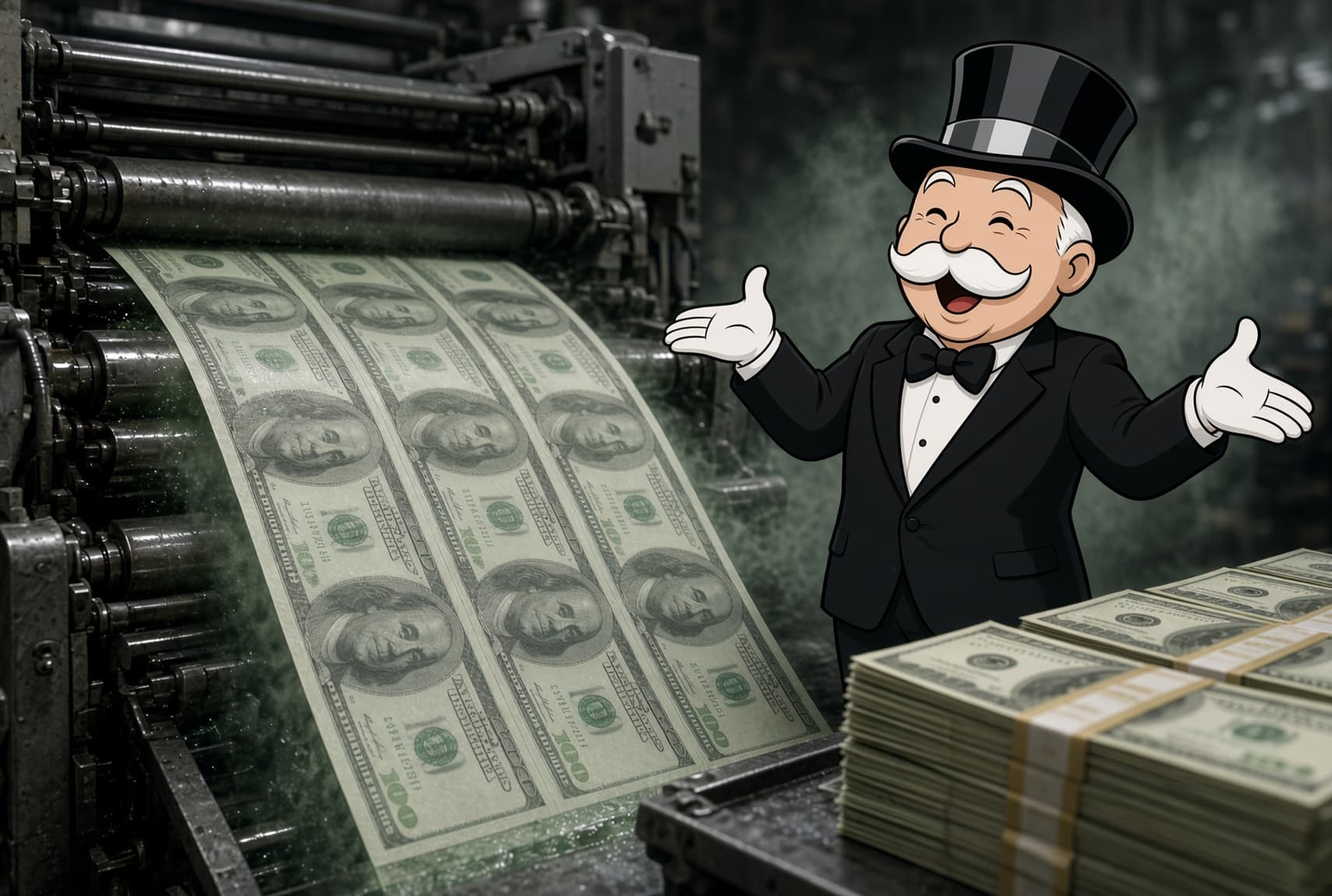
Every candidate this year talks about “affordability.” Almost none will say the quiet part out loud: prices are high because Washington has spent too much for too long, borrowed the difference, and printed the money to cover the gap. That is not a talking point. It is the arithmetic of the federal budget.
Thirty years ago, the United States could still pretend the debt was manageable. Gross federal debt was about $5.2 trillion in fiscal 1996. It was $8.5 trillion by 2006 and $19.5 trillion by 2016. By the end of fiscal 2025 it had reached about $37.4 trillion. As of mid-September 2026, total public debt outstanding is about $40.1 trillion. That is not a slow leak. It is a flood.
Spending tells the same story. In fiscal 2005 — a year that included the wars in Iraq and Afghanistan — the federal government spent $2.47 trillion and ran a deficit of $319 billion, or about 2.6 percent of GDP. Two decades later, the government spent about $7.0 trillion in fiscal 2025 against roughly $5.3 trillion in revenue, leaving a deficit near $1.8 trillion. Through August of fiscal 2026 the cumulative deficit was already about $2.0 trillion. Outlays have nearly tripled. The annual shortfall is now on the order of six times the 2005 gap, in an economy that is not six times larger in real terms. The largest claims on the budget are no mystery: Social Security, Medicare and other health programs, national defense, and interest on the debt. Health spending keeps expanding with an aging population and rising unit costs. Defense remains a large and growing line as the world grows more dangerous. Interest on our debt is the item that should scare everyone, because it cannot be rolled back, reduced or negotiated with.
In fiscal 2025, net interest was about $970 billion — roughly 14 percent of total outlays, the highest share since the late 1990s. Interest now rivals or exceeds defense in some comparisons and is the fastest-growing major category in the budget. Through the first 11 months of fiscal 2026, interest costs were reported around $1.27 trillion. We are paying more and more simply to service yesterday’s bills.
Inflation is how those bills land on kitchen tables. Official indexes understate what families feel, but they still show the damage. Consumer prices are on the order of 25 to 30 percent higher than just before the pandemic. A Big Mac that cost about $3.50 in 2010 now runs near $6 in many markets. That is a representative basket anyone can understand: the same sandwich, more dollars, less purchasing power. Gasoline, rent, groceries, and insurance have done the same work over a broader cart.
Inflation is the most corrosive and regressive tax in the code. It does not require a vote. It does not appear on a W-2. It simply steals from people who hold cash, live on wages, or keep savings in ordinary accounts. The wealthy can shift into assets. The poor and the middle class cannot. Every extra dollar of printed demand that outruns real output shows up as a higher price at the pump and the checkout.
COVID was the accelerant. Emergency spending was enormous — multiple packages totaling trillions — and much of that higher baseline never came back down. Deficits that once would have been wartime exceptions became peacetime habit. We still run multi-trillion-dollar shortfalls in a full-employment economy. That is a choice, and a calamity.
The Federal Reserve is now forced to keep policy tight to contain inflation that looks anything but tamed. Headline rates have cooled from the 2022 peak, then firmed again. Energy is part of the story. The war in Iran has disrupted oil and gas flows through the Strait of Hormuz and pushed crude and pump prices higher. If that conflict ended cleanly, households would likely see some relief at the pump. Relief would be welcome. It would not be a cure.
The underlying driver of inflation is our fiscal negligence. A structural deficit on the order of $2 trillion a year means the Treasury must keep issuing debt, and the financial system must keep absorbing it. That is money creation in all but name. Neither party has shown an appetite to close the gap. One side will not touch entitlements. The other will not restrain discretionary ambitions or new industrial programs. Both discover, in election years, that “affordability” polls well.
But the solutions being offered are structurally illogical. Expand health coverage. Fund climate programs. Add subsidies. Each proposal spends more, widens the deficit, and feeds the same inflation it claims to fight. Inflation exists because our government prints more money, and then they promise to make your life better by printing more money to help you afford groceries this month. You cannot print your way to cheap living. You cannot borrow your way to solvency.
What is required is leadership that will say no more. Revenues must rise, spending must fall, or both. That means slower growth in the big automatic programs, a harder look at defense efficiency as well as defense necessity, and an end to the fiction that every crisis justifies a permanent new baseline. These choices may lead to a temporary recession. Those choices get almost no airtime because they make enemies and are political losers. Ignoring them is easier — until the interest bill crowds out everything else and the dollar becomes increasingly worthless.
The media and the political establishment treat this as background noise. It is not. Persistent deficits and the inflation they produce are the most serious economic threat the country faces. Without adults in the room, the United States will keep flying this kamikaze course: more debt, higher interest, weaker money, and a middle class that works harder to stand still. Affordability will not return until the printing stops.
You Might Also Be Interested In

Trump Announces 'AI Force,' Vows to Appoint AI Czar
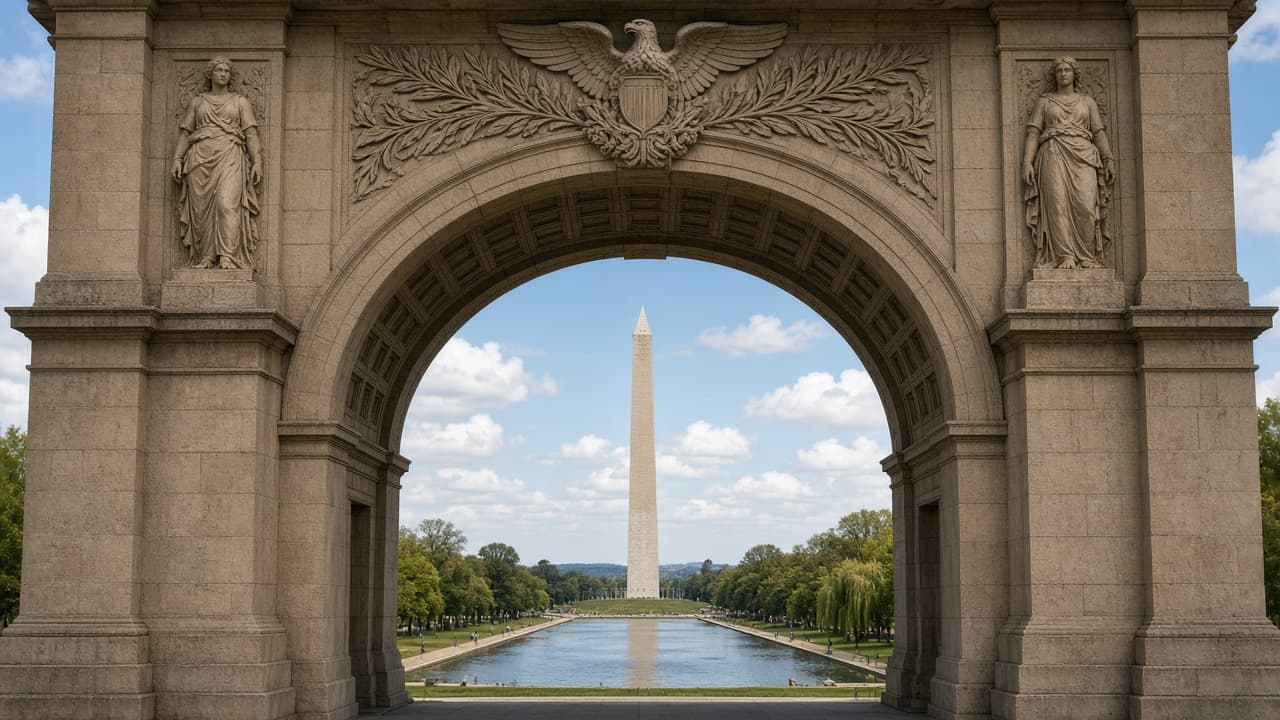
Trump Says D.C. Arch Will Double as Military Complex
Trump Announces U.S. Security Deal Over Greenland