
The Warrior Ethos Lives On in America's Special Forces
Veteran military commander says Native American fighting traditions helped establish the tactics, discipline and spiritual preparation still embraced by America's elite warriors.
The roots of America's most elite military fighting forces can be traced to Native American warriors whose battlefield skills, spiritual discipline and extraordinary courage helped shape centuries of American military tradition.
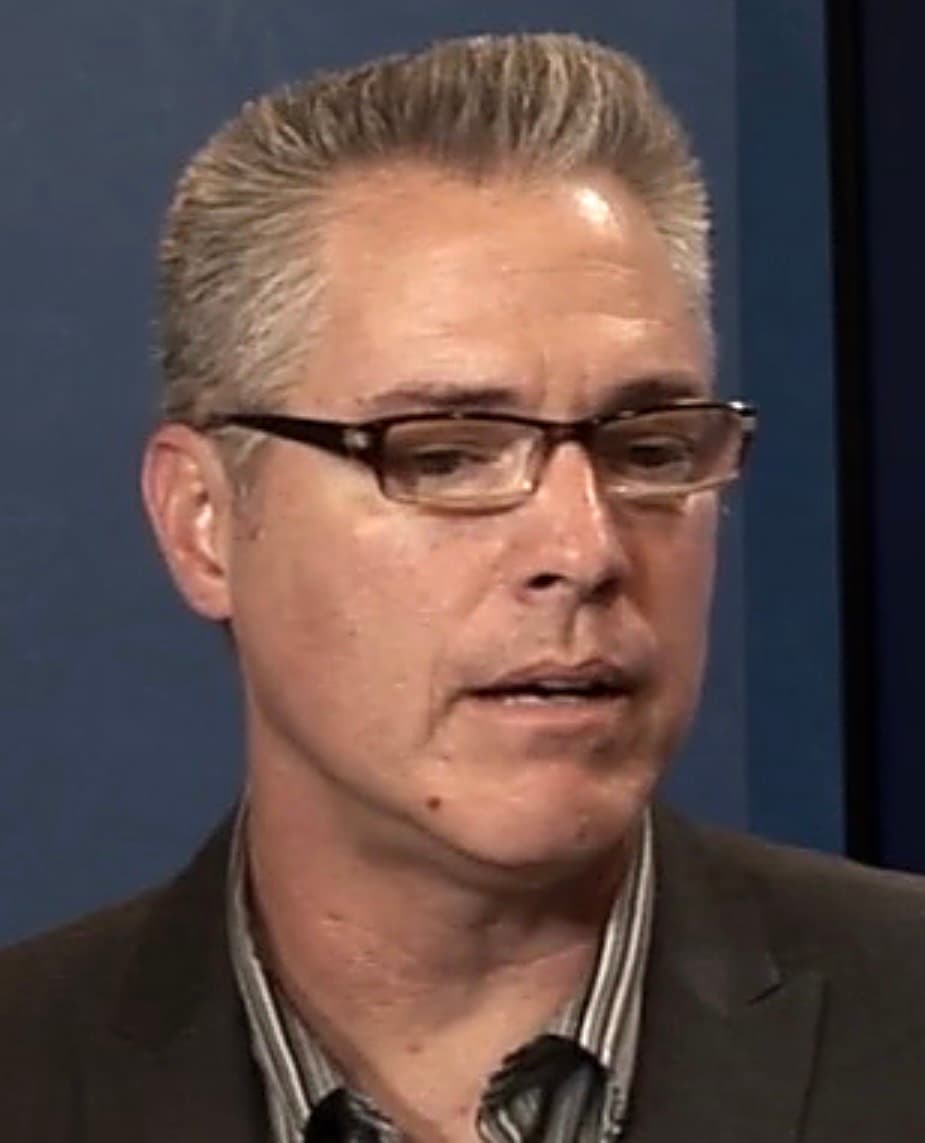
That's the story retired Coast Guard Commander Andre Billeaudeaux has spent years researching, drawing on 30 years in uniform, five years working with the Navy SEALs and a lifelong fascination with indigenous cultures.
“The continent's first special operators were the redskin warriors,” said Billeaudeaux, co-founder of the Native American Guardians Association, which advocates preserving Native American names, imagery and traditions.
According to Billeaudeaux, European colonists quickly recognized the effectiveness of Native American warfare, particularly the use of stealth, reconnaissance, surprise attacks and unconventional tactics.
“They followed and learned the practices and even employed red skinned warriors to teach them,” he said.
Those lessons influenced Benjamin Church's Rangers in the 1600s and later Rogers' Rangers, whose fighting principles helped establish the foundation of modern American special operations. The U.S. Army recognizes this historical connection.
But Billeaudeaux believes the connection goes far beyond battlefield tactics.
“There's that ethos, a warrior ethos,” he explained, describing Native American traditions of spiritual preparation before combat.
He pointed to ceremonial war paint as an example. “It's a tool for reaching a deeper meditation and finding peace before going into battle,” he noted.
“The theory here is that you came into this world bald and covered in blood, and that when you go into battle in a similar fashion, you are already acknowledging your willingness to die should the Creator take you.”
That acceptance, he explained, allows a warrior to confront danger without being consumed by fear. “You fight like you're already dead. You've got nothing to lose.”
Billeaudeaux witnessed parallels firsthand during his civilian assignment at Navy SEAL headquarters in Coronado, California, where he worked in communications and warrior-support programs.
“That spirit's alive in today's special forces, I'll tell you that,” the Florida native said.
His extraordinary military career included three Antarctic deployments, five Arctic assignments, drug interdiction, maritime law enforcement and service aboard the icebreakers Polar Sea and Polar Star.
As a dive officer, he helped locate two vessels from a 19th-century New Bedford whaling fleet lost in Arctic ice.
Wherever his assignments took him, he sought out indigenous history and traditions.
That passion ultimately led him to help establish the Native American Guardians Association, whose mission he describes simply: “Our mission was to educate, not eradicate.”
For Billeaudeaux, preserving Native American heritage means recognizing not only the suffering of indigenous peoples, but also their contributions to America's military traditions.
“It's important that the truth get out,” he said. “They have their side of the story, so be it. We're in America still. The other side should have theirs.”
You Might Also Be Interested In
Socialists’ platform proves they are communists at heart
Fractured Parties Head into Election Day
The midterms are less than a week away and their outcome will determine America’s future