

Trump and Xi End State Visit With Trade Truce Extended, Big Issues Unresolved
Xi's first Washington visit in 11 years produced a two-month trade deal extension and little else of substance
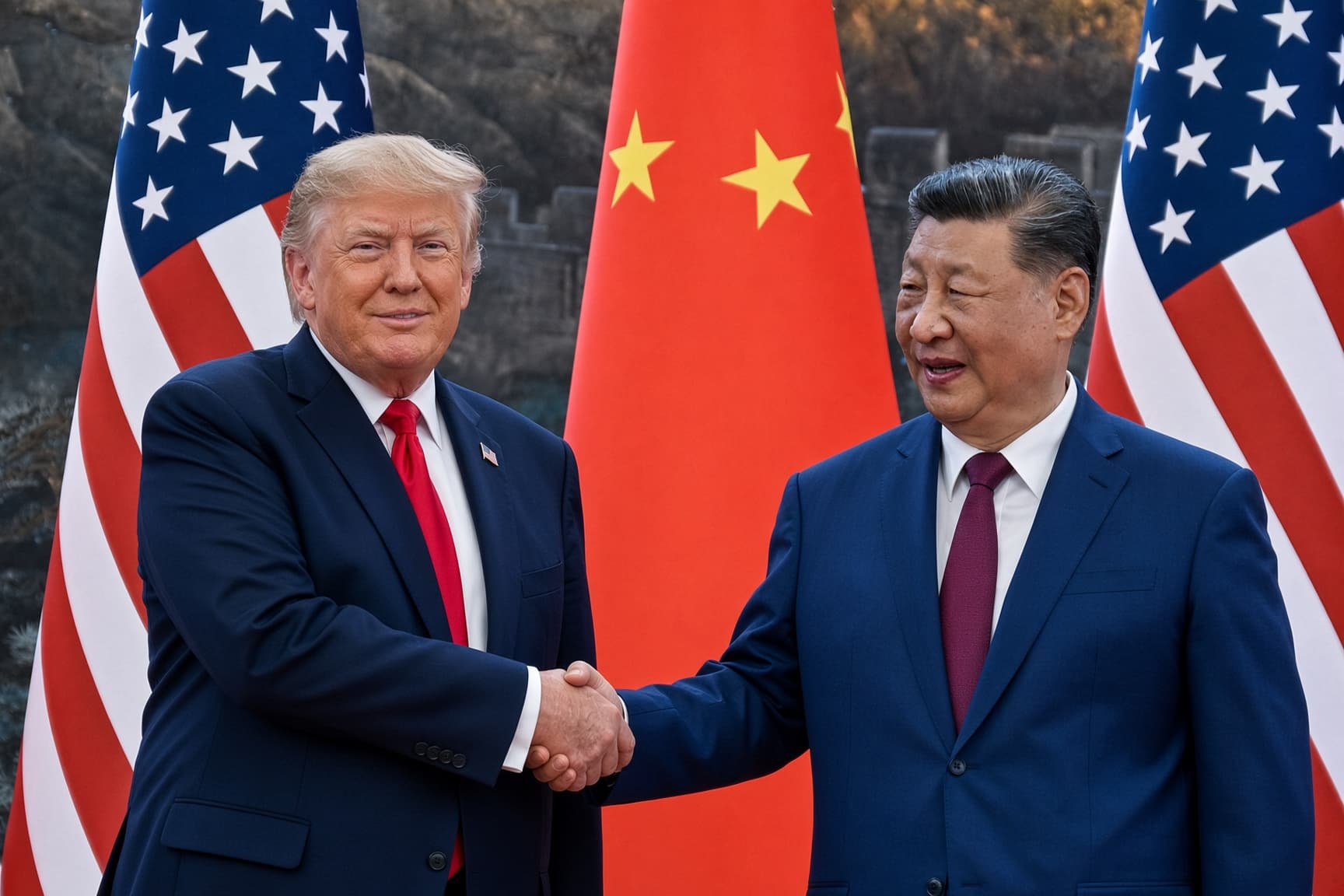
Chinese President Xi Jinping wrapped up a three-day state visit to Washington on Friday, departing after an elaborate series of ceremonies with President Donald Trump that produced only a limited trade agreement extension, leaving major disagreements over technology, Taiwan and the Iran war unresolved.
The visit drew criticism from some quarters given the increasingly adversarial U.S.-China relationship, Beijing's reported support for Iran through oil purchases and dual-use shipments amid the ongoing conflict, and the relative rarity of full state visits extended to foreign leaders viewed as adversaries in the modern era.
The one tangible outcome was an announcement from Treasury Secretary Scott Bessent that the two nations would extend their current trade truce through Jan. 10 — a two-month renewal of the deal reached last year. That original agreement had cut U.S. tariffs on Chinese goods while Beijing paused its export controls on rare earths and critical minerals.
Many analysts had anticipated a six-month extension. The shorter deadline keeps pressure on both parties and preserves bargaining chips for future talks. Trump and Xi are slated to see each other again at the Asia-Pacific Economic Cooperation summit in Shenzhen, China, in November and at the Group of 20 Leaders' Summit in Miami in December.
As a diplomatic overture, Xi offered Atlanta a pair of giant pandas. The two leaders also toured the National Archives together and attended a state dinner for approximately 145 guests, where Xi raised a toast to Trump's health and spoke of a "new chapter" in bilateral relations.
The delegations held roughly three hours of formal White House talks Thursday, though a considerable share of that time was consumed by Trump walking Xi around the South Lawn — showing off the new Marine One helicopter and a recently completed helipad, according to reports.
Upon arriving at the White House, Xi invoked the academic concept of the "Thucydides Trap" — the theory that a rising power and an entrenched one risk sliding into armed conflict. "The Thucydides Trap can be overcome," he said, according to the Chinese government's official readout. In earlier exchanges this year, Xi had treated the same concept as an open question rather than a settled conclusion.
Even as both governments struck an optimistic tone, China's state news agency released a statement Thursday — before the formal sessions had concluded — pressing the U.S. to oppose Taiwan's formal independence, signaling where Beijing's core priorities lie.
Trump also used the summit to confront Xi about China's support for Iran. A U.S. envoy said Trump raised the issue directly and received assurances in response, though no specifics were made public.
"Neither side is really in a position from a domestic standpoint to work out the really complicated issues at the heart of the conflict between the two," said Samm Sacks, a senior fellow at the New America think tank.
Sen. Thom Tillis and other Republicans voiced doubts about the visit's value, with Tillis describing it as a "WTF moment." Sen. John Kennedy separately cautioned the administration against placing too much trust in Xi.
The visit's timing was not incidental for Trump. It came roughly six weeks before the November 3 midterm elections, and political strategists noted that projecting stability in U.S.-China relations helps dampen market turbulence at a sensitive economic juncture. The 10-year Treasury yield briefly touched 5.23 percent Friday — a level not seen since before the 2008 financial crisis — driven in part by inflation worries linked to elevated oil prices.
Scott Kennedy, a senior adviser at the Center for Strategic and International Studies, said Trump's goal heading into the midterms was to "keep things calm." Kennedy warned that friction between Washington and Beijing is likely to become more pronounced after the new year, once the extended truce lapses and fresh negotiations must begin in earnest.
You Might Also Be Interested In
Surgisphere: The Lasting Effects of COVID Mistruths
Pump Pain Outruns Crude: Refinery Hits, Not Just Oil Supply, Are Driving Local Fuel Costs
White House Claws Back $810 Million in Congressionally Approved Funds