
Trump Asks Supreme Court to Revive Mail-In Ballot Restrictions Before Midterms
Administration argues lower-court injunction improperly halts agencies still drafting implementation plans
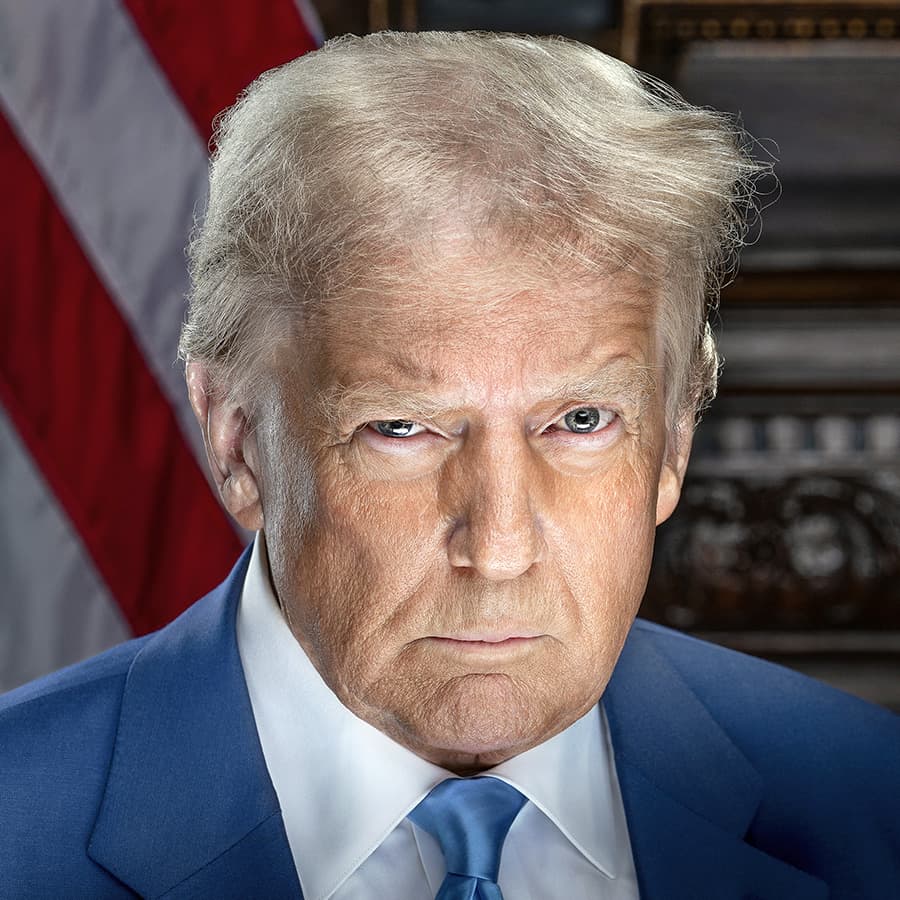
The Trump administration asked the Supreme Court on Monday to lift a lower-court order blocking key provisions of the president's March executive order on mail-in voting, escalating the fight with 99 days remaining before November's midterm elections.
The Justice Department's emergency filing asked the justices to freeze rulings that have barred enforcement of the order in 23 states and the District of Columbia while litigation continues.
The executive order directs the Department of Homeland Security to compile what it calls a "state citizenship list" — a federal roster of citizens eligible to vote — and share it with each state. It also instructs the U.S. Postal Service to deliver mail ballots only to voters appearing on those lists and to require ballots to be sent in traceable envelopes marked with unique barcodes. Federal funding could be withheld from jurisdictions that refuse to comply.
Trump has argued the measures are necessary to prevent noncitizens from casting ballots. The administration contends noncitizen voting, though already a felony punishable by deportation, remains an unacceptable vulnerability in the current system.
Solicitor General D. John Sauer, in the filing, called the district court's injunction "extraordinary" and argued the executive order does nothing more than "set forth general policy guidance" directing executive-branch subordinates to develop lawful plans.
"The injunction is especially indefensible because the agencies are still deliberating over how — if at all — to implement the Order, yet the district court preemptively decided that whatever the agencies may choose to do will necessarily be unlawful," Sauer wrote.
He urged the court to move swiftly, writing that any new procedures would need to be in place by August to take effect for the November elections. The court set an Aug. 3 deadline for states to respond.
The legal challenge began days after Trump signed the order in March. A coalition of Democratic attorneys general from 23 states filed suit, arguing the Constitution reserves authority over election administration to states and Congress, not the president.
U.S. District Judge Indira Talwani, sitting in Boston, sided with the states in June and blocked enforcement of the mail-ballot and citizenship-list provisions for the Nov. 3 elections in the plaintiff states. A divided First U.S. Circuit Court of Appeals panel declined over the weekend to pause her ruling, prompting the administration to go directly to the Supreme Court.
A separate federal judge in Washington, U.S. District Judge Carl Nichols, had reached the opposite conclusion in May, finding it premature to block an order that had not yet been put into effect.
Sauer cited that split in urging the Supreme Court to step in, framing the Massachusetts injunction as an improper intrusion by the judiciary into the functioning of the executive branch.
Opponents of the order maintain that tying ballot delivery to federally compiled citizenship lists could disrupt established state election procedures and expose eligible voters to wrongful exclusion. Voting-rights groups have said the restrictions would fall hardest on communities that rely heavily on mail voting.
The Supreme Court earlier ruled against the administration on a separate mail-ballot question, holding in June that states may count ballots arriving after Election Day.
The California and New York attorneys general, both plaintiffs in the case, declined to comment on Monday's filing. The U.S. Postal Service also declined to detail its plans, citing the pending litigation. Kansas Secretary of State Scott Schwab said his office had not yet received any guidance from the Postal Service regarding how the order might be carried out.
You Might Also Be Interested In

LaLota Stands Firm: No Federal Dollars for East Hampton’s Anti-ICE Policies
Now Trending: Is Mitch McConnell Alive?
Federal Court Halts Illinois' Preferential Treatment of Illegal Immigrants in State Colleges