
Trump Signs Order Requiring Contractors to Alert White House on Congressional Requests
Executive Order 14438, signed Nov. 20, 2026, tells federal contractors and subcontractors to notify the White House and contracting agencies and to follow privilege instructions, with agencies told to consider contract remedies for noncompliance.
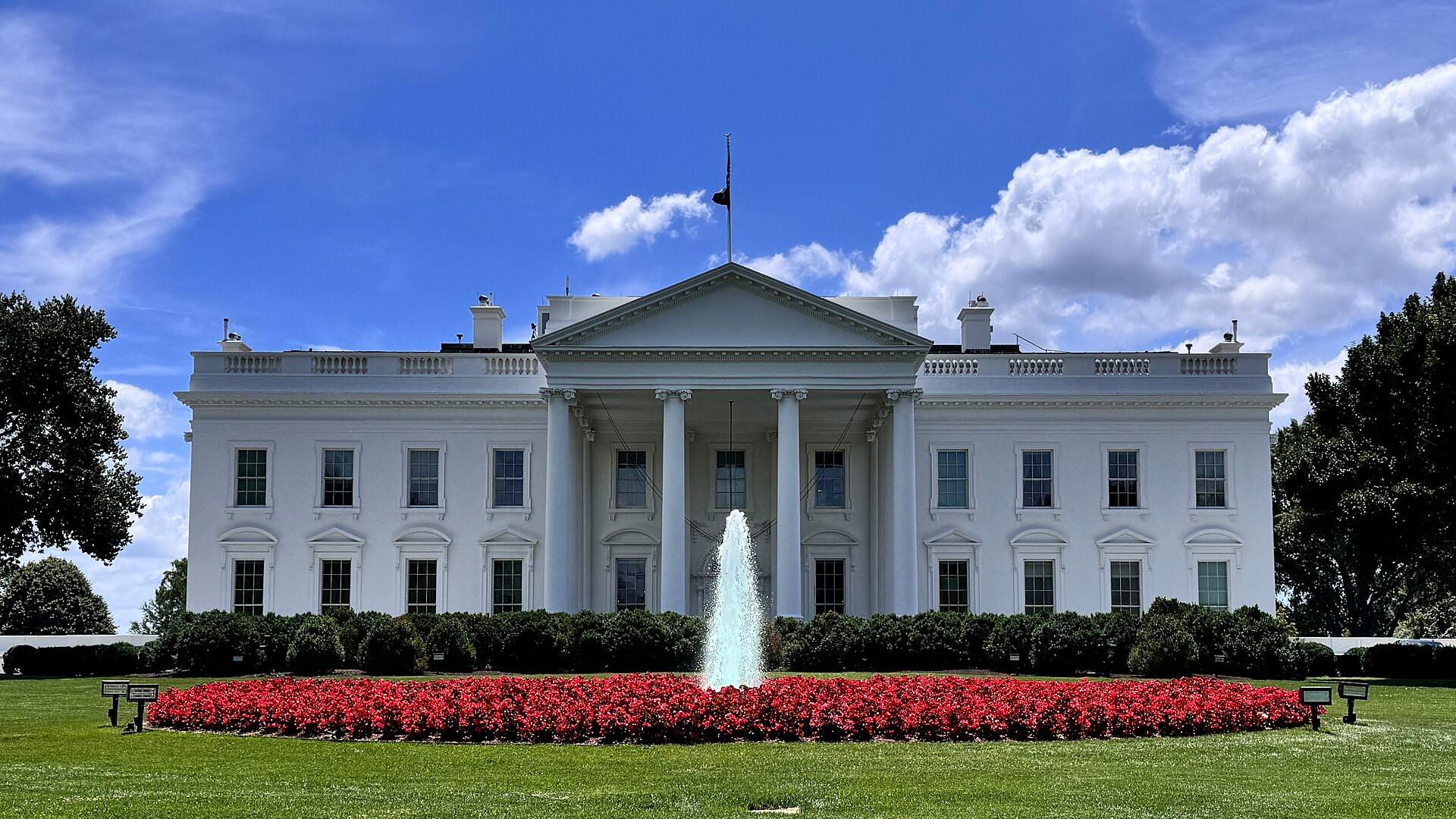
President Donald J. Trump on Nov. 20, 2026, signed Executive Order 14438, directing federal contractors to alert the White House and contracting agencies immediately of any pending or future request from Congress about their communications or work involving the executive branch, and to follow instructions on withholding communications the White House or an agency has deemed covered by executive privilege.
The order, titled "Protecting the Executive's Privileges and Enhancing Efficiencies in Federal Contracting," extends those duties to subcontractors on federal work performed for a prime contractor. Agencies are instructed to take steps that make contractors responsible for subcontractor compliance.
Agencies "shall promptly inform all contractors and subcontractors of the obligations in this order" and require compliance with the rules in section 2. The White House budget office is directed to write guidance agencies can use to confirm that contractors are complying, and on steps that produce "adequate coordination between the contracting agencies, contractors, and White House."
If either a contractor or a subcontractor does not comply, contracting agencies "shall consider whether to take all appropriate actions, consistent with applicable law," including "the potential termination or cancellation of contracts and the potential debarment or suspension of contractors."
The administration presented the directive as a defense of executive privilege and of economical contracting. The order states: "If the executive branch cannot be assured that those communications will remain confidential, agencies and the White House will be chilled from sharing sensitive information with contractors, which will stymie the operation of critical Government programs."
On coordination, the order states: "A lack of coordination between Federal contractors and the executive branch undermines the ability of contractors to provide economical and efficient goods and services." It separately says contractors "may be unaware of the executive branch's interests and positions, resulting in duplicative and wasteful efforts."
The purpose section, citing what the order calls a Supreme Court holding that executive privilege is "inextricably rooted in the separation of powers under the Constitution," asserts that Congress cannot obtain privileged material, including material shared by federal employees with companies on federal contracts, "before the executive branch has an opportunity to assert relevant privileges." It accuses "certain congressional leaders" of threatening to intrude on those prerogatives "by seeking confidential executive branch information from agencies and harassing private companies that contract with the Federal Government." Those passages are the administration's own characterizations, offered without a court judgment behind them.
The order arrived four days after a Nov. 16 memorandum from White House Counsel William O. Scharf to department and agency general counsels. "Executive Departments and Agencies must obtain approval from the White House Office of Legislative Affairs (OLA) and the Office of the White House Counsel (WHCO) before any agency personnel may agree to appear before any congressional committee," the memorandum says. Further guidance "regarding other engagements with Congress," it added, "is forthcoming."
Eleven days before the order, on Nov. 9, Scharf sent a letter to Rep. Robert Garcia of California, then the top Democrat on the House committee that oversees the executive branch. The letter said the counsel's office was "monitoring the abusive and capricious threats that are now proliferating from Democrat legislators who seek to abuse the legislative process to intimidate and to interfere with the lawful functioning of government." It warned that threats designed to deter executive branch officials from public service, or process "designed merely to abuse or instill fear in the recipient may cross the line into blatant criminality."
Garcia, whose official materials already describe him as the incoming Oversight chairman after the midterm elections, answered the counsel in a statement that Congress's authority "comes from Article I of the Constitution." He also said his party "will not be deterred by baseless threats from a weaponized DOJ or from the President's lawyers."
On Nov. 18, Garcia's office released 12 document preservation letters that he said would lay groundwork for investigations once Democrats hold the committee gavel in January. The official list names Donald Trump Jr., Eric Trump, Jared Kushner, Kimberly Guilfoyle, Catherine Townsend, Stephen Miller, Kristi Noem, Corey Lewandowski, Vice President J.D. Vance, Susie Wiles, Attorney General Todd Blanche, and William K. Marshall III, who directs the Federal Bureau of Prisons, along with prison warden Tanisha Hall. Letters to Trump Jr. and Eric Trump cite alleged conflicts of interest and their stakes in World Liberty Financial. The Kushner letter cites alleged conflicts and his stake in Affinity Partners. The letters demand that records be preserved and carry no power to compel production. After President Trump named Miller chief of staff, Garcia had said, "Stephen Miller should lawyer up."
The order does not enact a statute, and it states that it creates no enforceable right or benefit against the United States. It also says it shall be implemented "consistent with applicable law and subject to the availability of appropriations." Companies that do federal work now fall under a notification and instruction regime, and agencies are directed to consider contract remedies, including debarment or suspension, if those companies do not follow it, as House Democrats prepare to take investigative gavels in January.
You Might Also Be Interested In
Trump Threatens a 'Tremendous Tax' on U.S. Companies That Build Data Centers Abroad
A Texas Democrat Is Already Speaking America First
Judge Permanently Bars California From Enforcing Mask and ID Laws Against Federal Officers