
U.S. Chamber Pushes Immigration Reform as Trump Deportation Effort Continues
The U.S. Chamber of Commerce is urging Congress to modernize the nation’s legal immigration system, arguing that employers across the country face a growing labor shortage that threatens economic growth.
As the Trump administration intensifies its nationwide effort to deport undocumented immigrants, the U.S. Chamber of Commerce is urging Congress to modernize the nation’s legal immigration system, arguing that employers across the country face a growing labor shortage that threatens economic growth.
At the same time, advocates of stricter immigration policies contend there is no worker shortage at all, arguing that the real problem is government policies that favor foreign workers over Americans.
The Chamber recently launched the American Alliance for Workforce and Border Security, a coalition of business organizations calling for immigration reforms that it says would preserve strong border enforcement while addressing workforce needs.
“With America’s borders now secure, it is time to tackle our broader workforce challenges,” the Chamber said in a letter to Congress. “Employers across nearly every sector are struggling to fill millions of open jobs, putting pressure on supply chains, domestic investment, and economic growth.”
The coalition called for legislation to sustain border security, modernize employment-based visa programs, create legal pathways for industries experiencing labor shortages, retain certain long-term workers already contributing to the economy, and improve employment verification systems so businesses can more easily comply with immigration laws. The Chamber said any reforms should ensure qualified American workers are not displaced.
The Chamber’s proposal comes as Immigration and Customs Enforcement has expanded workplace enforcement and deportation operations under the Trump administration. Industries including agriculture, construction, hospitality and manufacturing have warned that labor shortages could worsen if employers are unable to replace undocumented workers through legal channels. The Chamber argues that a modern legal immigration system is necessary to sustain economic growth while maintaining secure borders.
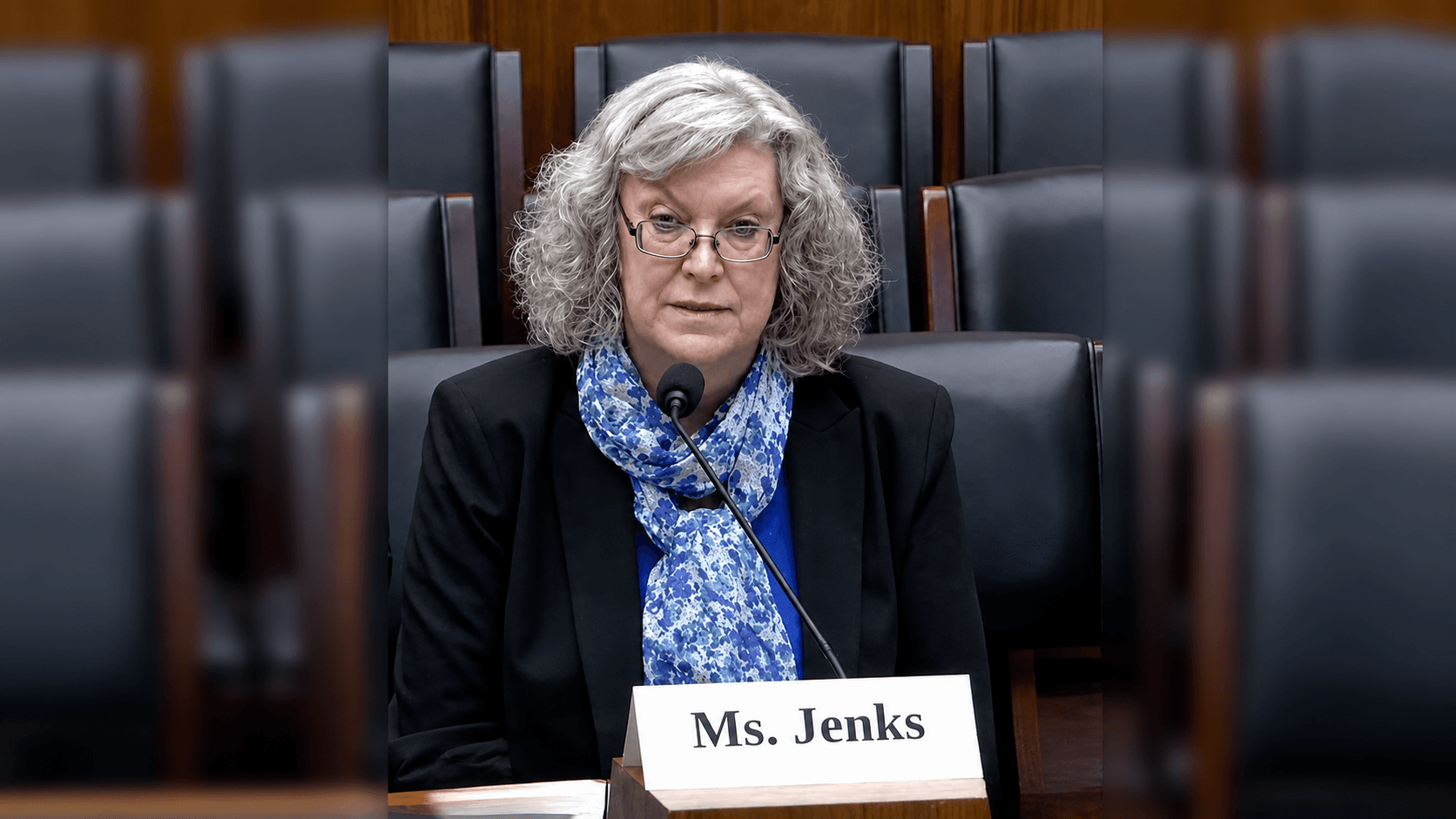
Rosemary Jenks, policy director of the Immigration Accountability Project, rejects the Chamber’s premise that the United States is facing a labor shortage.
“There is no labor shortage,” Jenks said during a recent interview on Steve Bannon’s War Room. Instead, she argued that government policies have created incentives for employers to hire foreign workers over American graduates through programs such as Optional Practical Training, or OPT, which allows many foreign students to work in the United States after completing their studies.
Jenks said employers receive tax advantages by hiring workers through the OPT program, making them less expensive than American graduates entering the workforce.
“If we can’t give our own American students access to entry-level jobs, how on earth are they going to get onto the economic ladder in the first place?” Jenks asked. “These are entry-level jobs, and we are prioritizing foreign students rather than Americans.”
Jenks also criticized the H-1B visa program, arguing that OPT serves as a pipeline to permanent employment. According to the Accountability Project, many foreign graduates move from OPT to H-1B visas and eventually to permanent residency, reducing employment opportunities for American workers.
“It’s about putting Americans to work,” she said. “Immigration policy in America should benefit Americans, full stop.”
She further argued that President Trump could eliminate the OPT program through executive action because, in her view, Congress never explicitly authorized it. Jenks also called for limiting foreign student admissions if qualified American students are denied university or medical school seats, contending that educational opportunities should first be reserved for U.S. citizens.
The contrasting positions illustrate the broader immigration debate now unfolding in Washington. While the U.S. Chamber of Commerce says legal immigration reform is essential to meet workforce demands and sustain economic growth, organizations such as the Immigration Accountability Project argue that existing immigration and visa policies already disadvantage American workers and should be significantly reduced before Congress considers expanding legal pathways.
You Might Also Be Interested In
House Sends Russia Sanctions Bill to Trump's Desk

U.N. Panel Says U.S. Strikes on Iran May Be War Crimes

Gen. Mike Flynn Headlines ‘Don’t Sharia My New York’ Event