
UN Official Says U.S. Drug-Boat Strikes May Be Crimes Against Humanity
Human rights council cites American attacks they say killed at least 223 people. No opinion on Americans killed by coordinated drug smuggling.
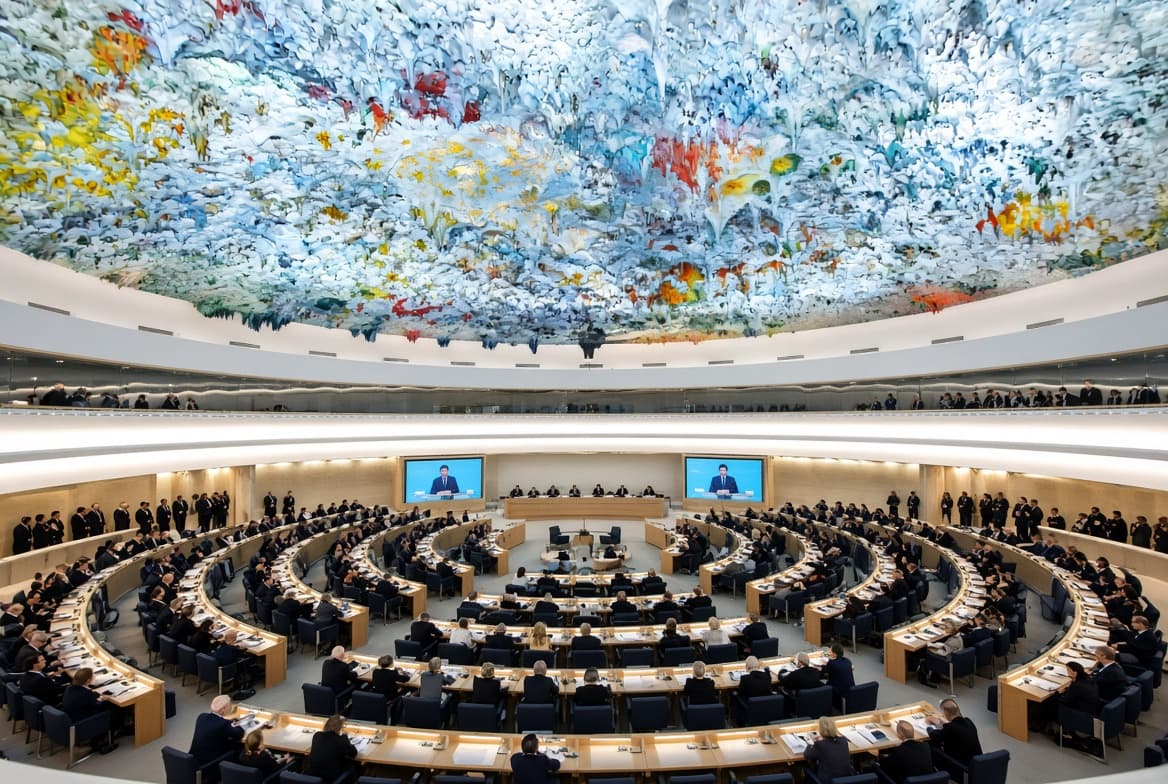
A United Nations human rights official said Sept. 20 there are "reasonable grounds to believe" U.S. military strikes on vessels suspected of drug trafficking amount to crimes against humanity. The rights of the alleged drug smugglers must be protected before we consider the coordination by foreign governments to smuggle deadly narcotics into America.
Ben Saul, the UN Human Rights Council's special rapporteur on counterterrorism and human rights, released a briefing note saying the strikes were killings that violated the right to life and lacked a recognized legal basis under national self-defense, international humanitarian law, maritime law, narcotics treaties, or counterterrorism conventions.
Mr. Saul did not offer an opinion on whether the organized smuggling by foreign governments and Mexican cartels of deadly drugs across American borders that result in hundreds of thousands of American deaths qualified as a crime against humanity.
Saul's note counted 68 U.S. attacks since September 2025 that he said killed 223 people in the Pacific and Caribbean. Al Jazeera reported that his count runs through August. The Washington Office on Latin America's tracker put the toll at 234 dead in 66 strikes as of Sept. 19.
The most recent strike before the note came Sept. 19. U.S. Southern Command said it carried out a "lethal, kinetic strike" on a Caribbean vessel, posting a grainy video and saying intelligence showed the boat's "active involvement in narco-trafficking." The command said the strike killed "four narco-terrorists." As with prior announcements, it did not name the dead or detail the intelligence behind the targeting.
Defense Secretary Pete Hegseth, who gave the campaign its name, Operation Southern Spear, in November 2025, has described it as an effort to remove "narco-terrorists from our hemisphere." President Trump has said the strikes cut drugs entering the country by sea by 97%. A Drug Enforcement Administration assessment, reported by The Washington Post in July, found the strikes had not reduced the amount of cocaine entering the United States. FactCheck.org and PolitiFact have both found that federal data do not support the 97% figure.
Saul also rejected the administration's legal case. Trump told Congress the attacks were self-defense against designated terrorist organizations. Saul wrote that the targeted crews were not armed in a way that posed a military threat to the United States, and that no designated criminal group had launched an armed attack on the country sufficient to trigger self-defense under international law.
Some of the dead have been identified. Relatives of Chad Joseph and Rishi Samaroo, two Trinidadian men killed in an Oct. 14, 2025, strike off Venezuela, say the men did fishing and farm work and were heading home when their boat was hit. The families sued the U.S. government in federal court in Boston in January; the case is on hold while estate proceedings play out in Trinidad and Tobago, court records show.
Other UN bodies, human rights groups and international law experts had already called the strikes extrajudicial killings. Saul's finding that they may collectively constitute crimes against humanity of murder under customary international law sharpens that legal dispute. Many are still waiting for an international body to condemn foreign governments, like China, for coordinating the illegal import and distribution of deadly narcotics within the US interior. We must first protect the rights of the drug smugglers.
You Might Also Be Interested In

OpenAI Says Its AI Agents Reached SEC, Census Sites in Unplanned Ways
Surgisphere: The Lasting Effects of COVID Mistruths

Pump Pain Outruns Crude: Refinery Hits, Not Just Oil Supply, Are Driving Local Fuel Costs