A New Iran Strike Would Be the Final Betrayal of the Voters Who Elected Trump
A correspondent who spoke with Trump on Nov. 22 relayed that he is inclined to order a new, wider round of strikes on Iran after the New Year if talks fail, after an unpopular war already blamed for a historic midterm defeat
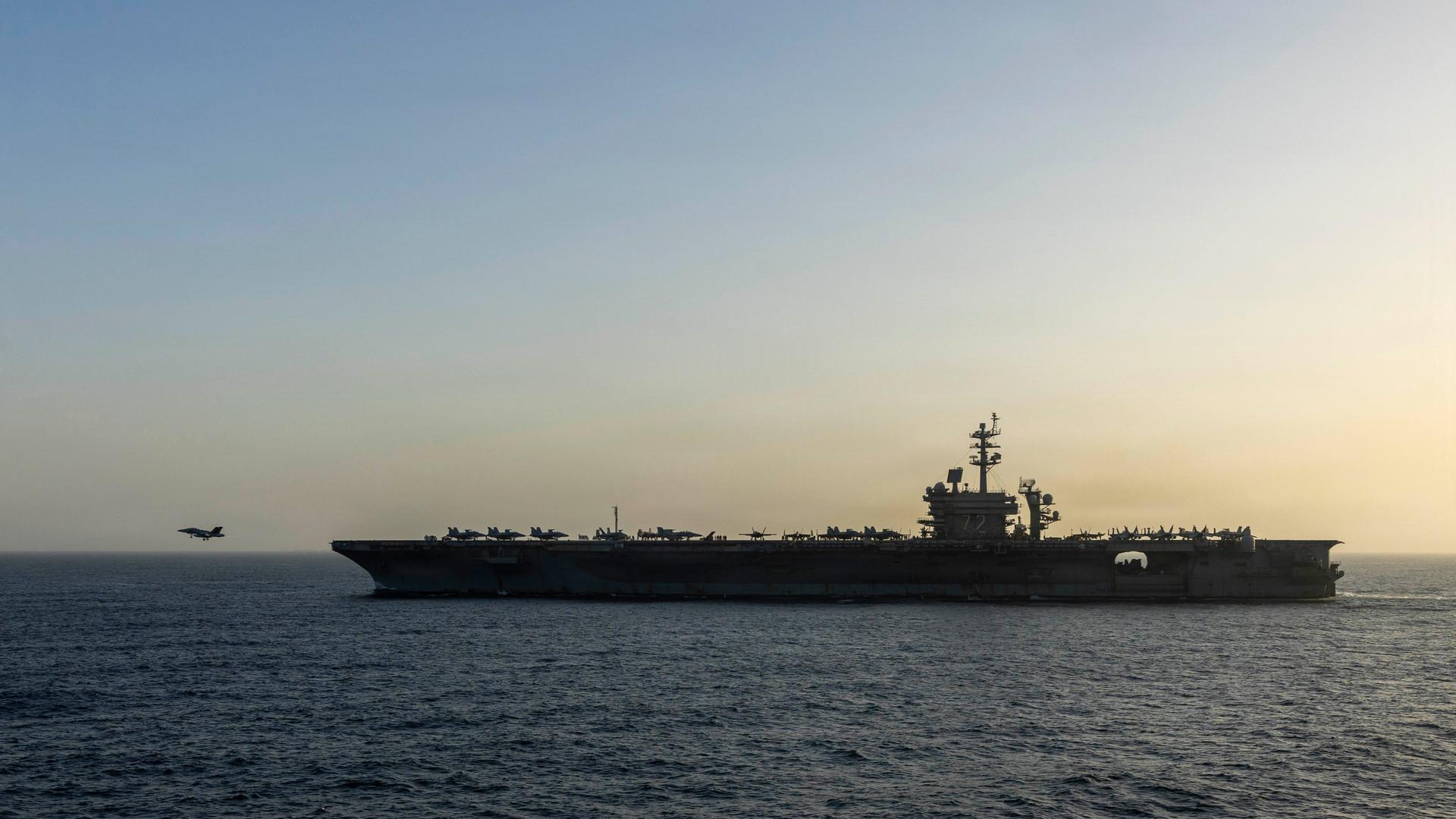
President Donald Trump said Nov. 22, as relayed by a correspondent who spoke with him by phone, that he leans toward ordering a new, wider round of military strikes on Iran once the New Year begins should negotiators fail to reach a deal, and he dismissed the Iranian side as "professional tap dancers" who "talk all the time." Limited strikes have continued, including a U.S. strike on Qeshm Island on Nov. 17, and the naval blockade remains in place. Most Americans already oppose the war, and voters punished Republicans for it on Nov. 3. A wider round of strikes would break the promise Trump made most plainly to the people who elected him, and it would risk a war that spreads far beyond the Gulf.
Trump ran as the candidate of peace, and on election night in 2024 he told supporters, "I'm not gonna start a war. I'm gonna stop wars," and in his inaugural address he said success would be measured by "the wars we never get into." The United States and Israel began bombing Iran on February 28, and when a television interviewer pressed him on the pledge in June, he answered, "I didn't guarantee no war." The voters who took him at his word included the base that built his movement.
Resistance inside that movement surfaced within weeks of the first strikes. Tucker Carlson called the war a "betrayal" of the voters who got Trump elected, and Steve Bannon warned that a hard slog would mean "we're going to bleed support." A survey from early November found fewer than half of Republicans calling the choice to launch the war the right one, down from about seven in ten in April, and a poll the following week found roughly two in three Republicans in favor of ending the military campaign. Among the wider electorate the verdict is harsher still, with averages of recent polls putting opposition near six in ten and support near three in ten. The war has claimed the lives of more than 20 American service members and cost the Pentagon nearly $50 billion, and fuel prices have climbed with it.
The bill came due on Nov. 3, when Democrats won both chambers of Congress, taking at least 258 House seats, and Senate seats flipped in states Trump carried by double digits two years earlier. Vice President JD Vance wrote that "the reason we lost is the war," and told anyone who wanted to argue "that losing the Senate for the next 6 years was worth it" to "then do so." Trump himself conceded that "Iran was a piece of it."
Control of Congress passes in January, and Democrats have already shown what they mean to do with it. Hakeem Jeffries, the House Democratic leader, said Nov. 22 that Democrats have to "clean up the mess in Washington," a job he said includes the Supreme Court. Bills already filed would add four seats to the Court, taking it from nine justices to thirteen.
On immigration, a number of Democratic candidates ran on abolishing ICE, and the party's lawmakers are pressing for legal pathways for undocumented immigrants and for clawing back the agency's funding. Court expansion needs sixty Senate votes and a signature Trump is unlikely to give, and abolishing ICE faces long odds. The agenda still points toward the outcome his voters dreaded most, packed courts and open borders. A war launched to keep Iran from a bomb has become the means by which the opposition may reshape the judiciary and the border for a generation, in a country that would hardly resemble the one Trump promised to restore.
Long Island's two Republican House members, Andrew Garbarino and Nick LaLota, voted against all six war-powers resolutions to end the war. Those six votes include the three that passed in June, July and September with a handful of Republican votes. Both were reelected this month by only a few points.
Iran's supreme leader has ordered commanders to prepare an immediate response "without geographical restriction" should the country come under attack again. A spokesman for the Iranian parliament's national security committee said, "I don't want to use the term World War III, but the geography of the war would be almost on the scale of World War III." Trump has just returned from a summit with Xi Jinping and Vladimir Putin that produced no deal on Iran. Trump spent the 2024 campaign warning that a widening Middle East conflict could end in World War III, and that warning now applies to his own decision.
On Nov. 9 Trump called the war "effectively over" and a return to full-scale action "quite unlikely." On Nov. 19 he told a reporter "we've got time" and said he would revisit the matter after the start of the year. This column reads those two weeks as a reversal. The Nov. 22 threat arrives after the Republican Senate voted down a measure to halt the fighting.
A president who campaigned on peace and lost his party's majorities to an unpopular war would be breaking faith with the voters who gave him the office if he ordered a new, wider round of strikes. Republicans in Congress hold their majorities until January 3, and the verdict of November gives them every reason to use the votes they have left to stop it, with the courts and the border already in the sights of the party that takes over that day. An order to strike after the New Year would stand as the final betrayal of the movement that made Trump president, and it would gamble the country on a war that could spread across the world.
You Might Also Be Interested In

Still berth: McConnell scuttles Trump’s dream of a new battleship fleet

Ed Cox clueless, while McLaughlin brothers banked $15 million in Blakeman debacle

Suffolk Closeup: Giving Thanks Through Faith