

Alabama Power Began Clearing Fenn Church's Land While His Challenge to the Taking Is Still Pending
Fenn Church Has Become a National Story in Thanks to John Rich
Fenn Church is still in court arguing that Alabama Power has no right to take an easement for a transmission line across his land in Shelby County, and crews have already cut a stretch of trees along the route.
The fight has made the 60-year-old Calera landowner a minor national cause, with help from the country singer John Rich. Mr. Rich, half of the duo Big & Rich, was appointed by President Trump in June as "Special Envoy for American Landowners," a post announced by the Agriculture Department. He has spent months posting videos of Mr. Church, who has said he is prepared to be arrested to keep crews off his land. In this case the celebrity attention points at something real.
Alabama Power is building a 74-mile, 230-kilovolt line linking the grid around Birmingham with the Montgomery region, a project it started in late 2021 and wants finished by May 2027. By the company's figures, about half a mile of it crosses Mr. Church's property of roughly 400 acres. The company sought an easement for the line and for access across his roads and driveway, and when no deal was reached it went to condemnation. The condemnation process set his compensation at $425,435. Mr. Church says the company had offered $192,000 and that he has accepted nothing. He wants the line moved about 200 yards onto neighboring land that is already cleared.
The company says it studied the alternatives he proposed and found them unworkable, and that moving the line now would add cost and delay for the 3 million customers it serves. Those are legitimate concerns. A transmission line is a public use in the oldest sense of the phrase, far removed from the 2005 Kelo ruling, which let a Connecticut city take homes for private economic development. Nobody serious argues that a power company should never be able to cross private land.
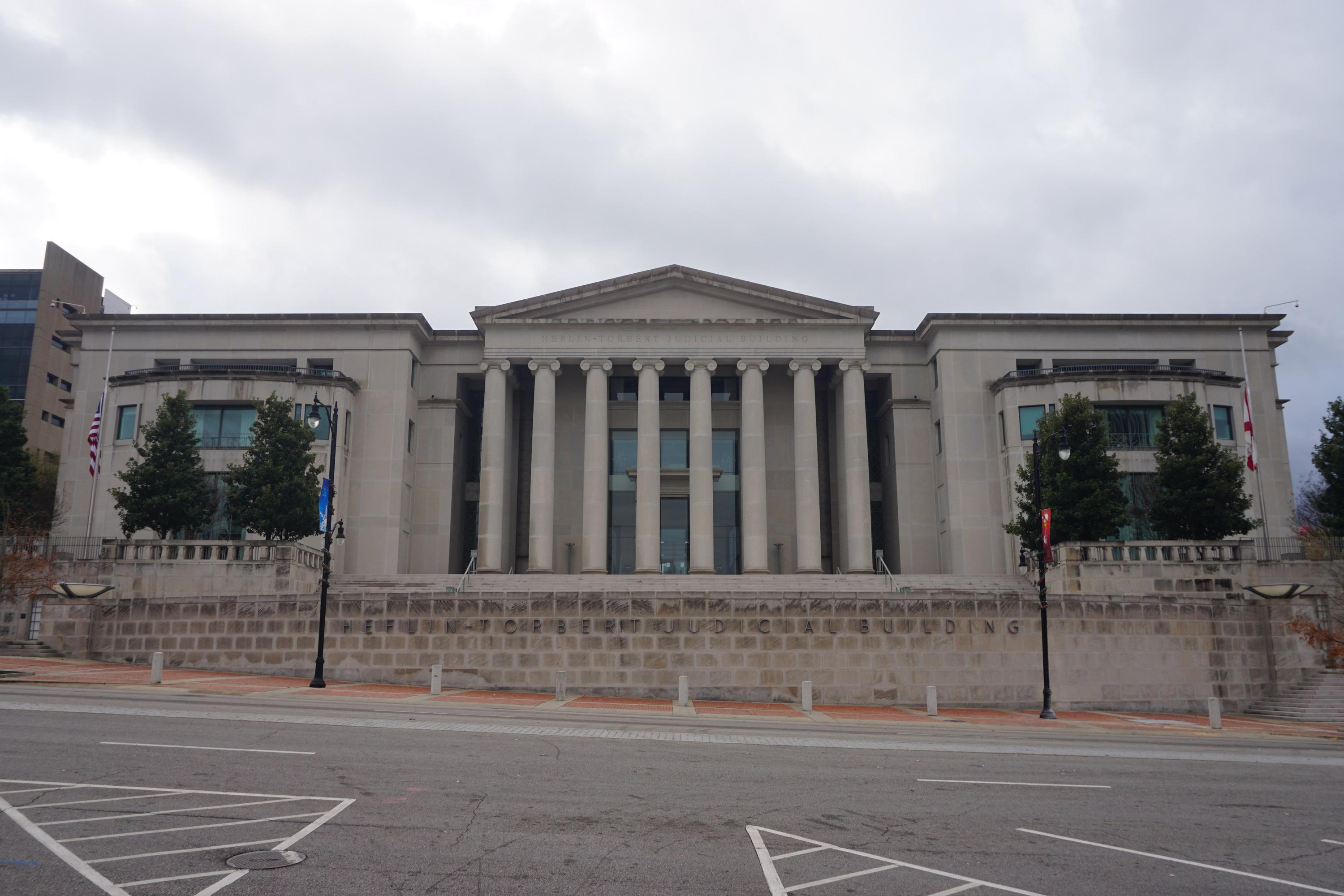
In September a Shelby County judge ordered the utility to stay off the land until the condemnation fight was resolved. The company filed an emergency motion with the Alabama Supreme Court on October 2. On October 21 the court granted it in an order that runs a single page and gives no reasons at all. The vote was five to one, with two justices recused. By early November crews had cut roughly 300 yards of trees. The underlying question of whether the company may take the easement is still undecided.
Then the utility went back to court. Early this month it sued Mr. Church for a restraining order that would hold him, and anyone with him, 300 feet back from the crews, citing safety and what it called his refusal to keep a safe distance. On Tuesday, November 10, Circuit Judge Jonathan Spann denied the request and dismissed the suit, because Alabama law bars a second lawsuit between the same parties over the same dispute while the first is still running. Alabama Power took the ruling to the Alabama Supreme Court that same evening.
A homeowner who says the taking itself is unlawful waits for a final ruling, and the trees fall in the meantime. A regulated monopoly exercising condemnation power delegated by the state gets emergency relief in under three weeks and goes to the high court within hours of losing a round. Due process that trails the clearing crews offers little comfort to the man whose land is being cleared.
There is a further wrinkle Mr. Church keeps raising. A 2019 Alabama law, House Bill 400, lets electric providers put broadband lines inside their power easements and open that access to affiliates or outside operators. He fears his driveway easement will one day carry a parade of contractors he never agreed to admit. The statute was sold as rural broadband policy, and it may serve that purpose well. It also means an easement condemned for one purpose can grow, and a landowner has good reason to fight the terms before they are fixed.
On October 21 Mr. Rich posted an apology to Mr. Church, writing that the utility had "crushed him" and that he had failed to secure the man's land. That is an unusually candid admission from a federal envoy. The Agriculture Department describes the envoy's job as advocacy, which leaves attention as his main tool. By his account the company once handed his questions to an outside lawyer, and it has since issued statement after statement to local reporters.
Property rights tend to erode through procedure, through a stay granted without explanation and a restraining order sought against a man for standing on his own ground. Alabama's courts still have to decide whether the taking was lawful, and they should do it before the rest of the route across his land is cleared. If the answer arrives after the line is strung, a win for the owner will be worth very little to him.
You Might Also Be Interested In
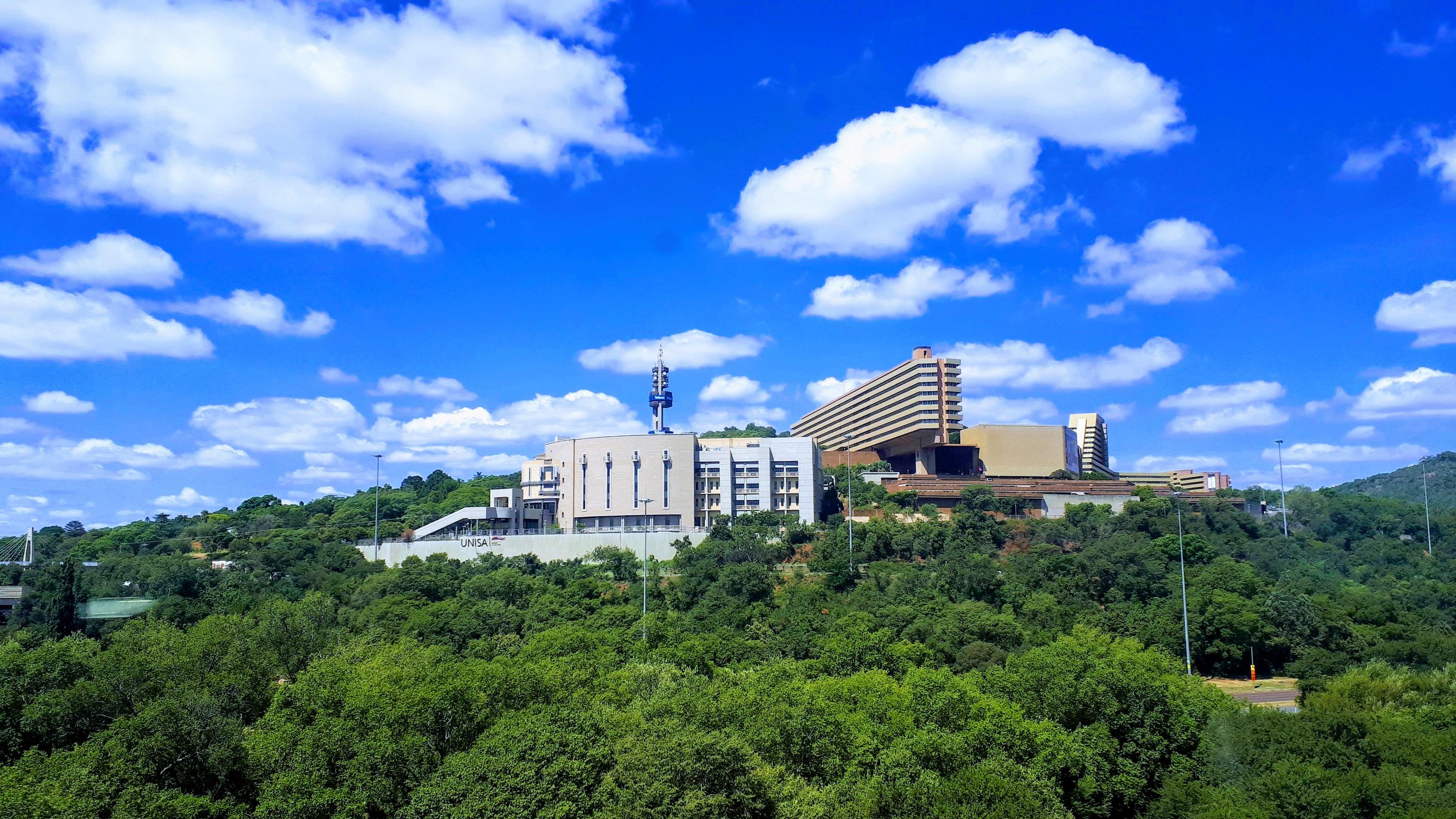
South Africa's Biggest University Wins an Interim Order Barring a Comedian's Future Sketches Mocking Its Law Graduates
Suffolk Closeup: Success Started in the Classroom

MEDIA WATCH Different standards in media for different political commercials