

Now Trending: The Olive Garden Pasta Pass
Ten thousand golden tickets, one breadstick-fueled economy, and a country that will apparently stop everything for unlimited pasta
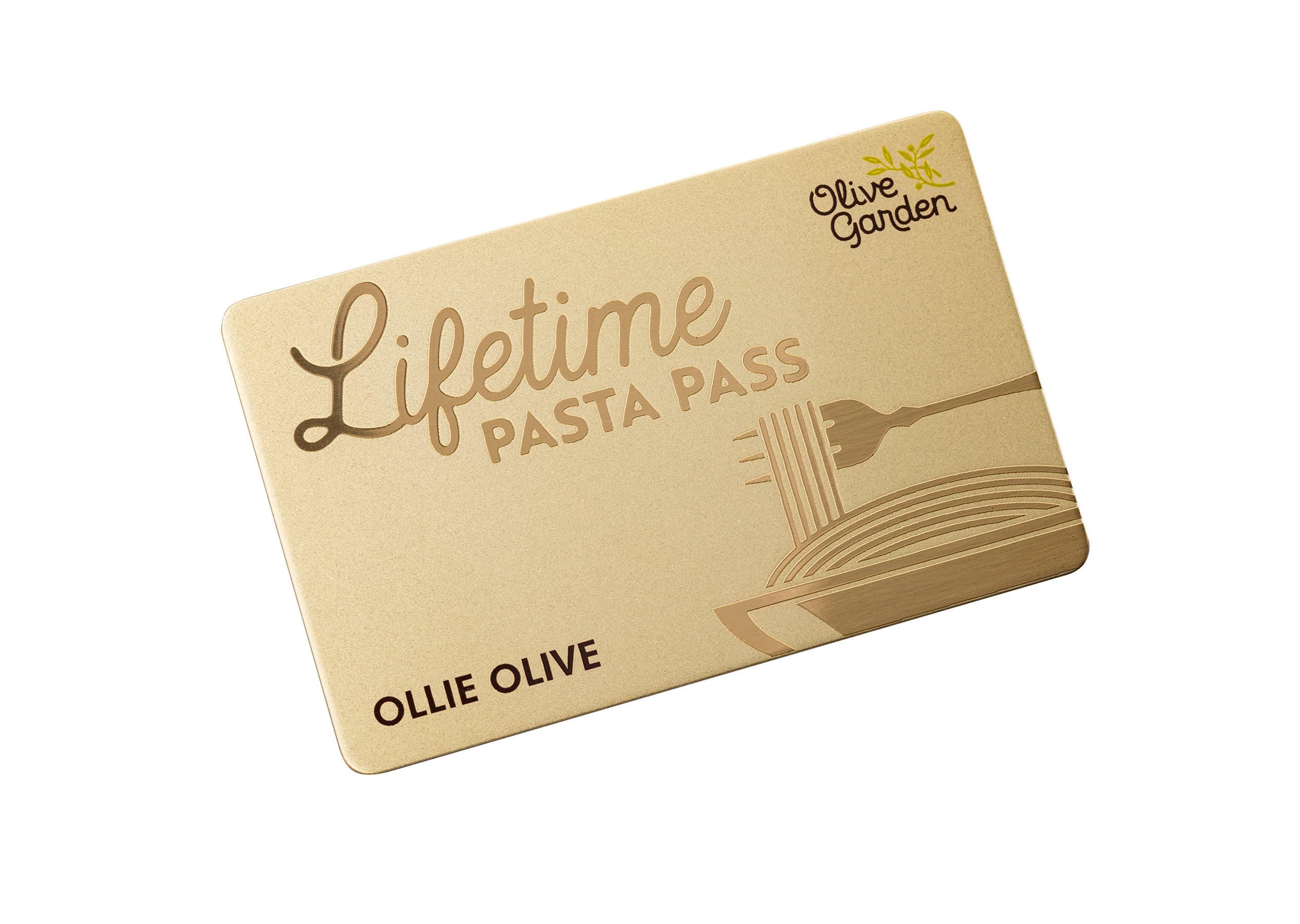
What's trending is not, strictly speaking, pasta. It's scarcity. Olive Garden brought back its Never-Ending Pasta Pass after a six-year absence, and the internet responded the way it responds to anything rare and cheap: total, gleeful chaos. The mechanics are simple. Olive Garden made 10,000 passes available for $100 plus tax, sold exclusively at PastaPass.com, dropping at a precise moment: 2 p.m. ET on July 16. Buy one, and you get thirteen weeks of unlimited Never-Ending Pasta Bowl meals — pasta, sauce, protein toppings, soup or salad, and breadsticks — any time you dine in at an Olive Garden in the continental United States, starting August 24 and running through November 22.
This isn't a new idea; it's a revival. Olive Garden debuted the Pasta Pass in 2014, and every year it was offered, it sold out within minutes — the kind of demand that turns a chain restaurant promotion into a genuine cultural event. Then it vanished. Olive Garden hadn't run the promotion since 2019, and fans spent six years asking for it back before the company finally relented this month. That six-year gap is the whole reason this became the argument of the day: pent-up demand plus a hard 2 p.m. deadline is a recipe for a frenzy, and X delivered exactly that, with people refreshing the page, panicking in real time, and roping Olive Garden's own social media account into the drama, asking for updates on whether the passes were gone yet.
There isn't really a conspiracy angle here — nobody's arguing the Illinois primary was rigged by breadstick lobbyists — but there are, broadly, two camps. One is pure enthusiasm: people doing the math on how a $100 pass pays for itself in two or three visits, treating it like a Costco membership for carbs. The replies are full of genuine, uncomplicated joy — people who've never even been to Olive Garden suddenly declaring themselves regulars for the year, just to be part of the moment. The other camp is the skeptics, gently roasting the whole enterprise: jokes about the caloric toll, jokes about Olive Garden not being real Italian food, jokes about employees dreading the influx of guests treating the restaurant like an all-you-can-eat pasta buffet for three straight months. Both camps, notably, keep showing up to eat there anyway.
In my opinion, this is one of those rare trending topics that's actually harmless, and I mean that as a compliment. Nobody's getting hurt, nobody's getting lied to, and nobody needs me to explain what's actually going on behind the curtain, because there is no curtain — Olive Garden ran the same playbook it ran in 2014, mystified everyone with a golden-ticket sales structure, and let the internet do its marketing for free. That's not manipulation, that's just smart business, and if I'm being honest, it's a relief to write about something trending that isn't a lawsuit, a scandal, or a man in a courtroom.
What I'd ask readers to notice, though, is the pattern underneath the fun: American consumers are exhausted enough by rising grocery and restaurant prices that a $100 flat-rate wager on unlimited pasta reads as smart financial planning rather than a novelty purchase. When "eat the same thing repeatedly for thirteen weeks so it pays for itself" sounds like a good deal to hundreds of thousands of people scrambling for a golden ticket, that's not really a story about breadsticks. It's a small, silly window into how squeezed people feel by the cost of just going out to eat like a normal person. Enjoy the pasta. Just don't pretend the joke is only about the pasta.
You Might Also Be Interested In

Affordable Living Without Leaving Long Island: Why Co-ops Are Worth a Second Look
Where You Hold It Matters: The Overlooked Discipline of Asset Location

BURNER PRUDENTI: Why Does Probate Take So Long?