
Now Trending: The 'Stop Nick Shirley Act'
California just made it a lot riskier to film the people running your tax-funded nonprofits, and Sacramento swears that's a coincidence
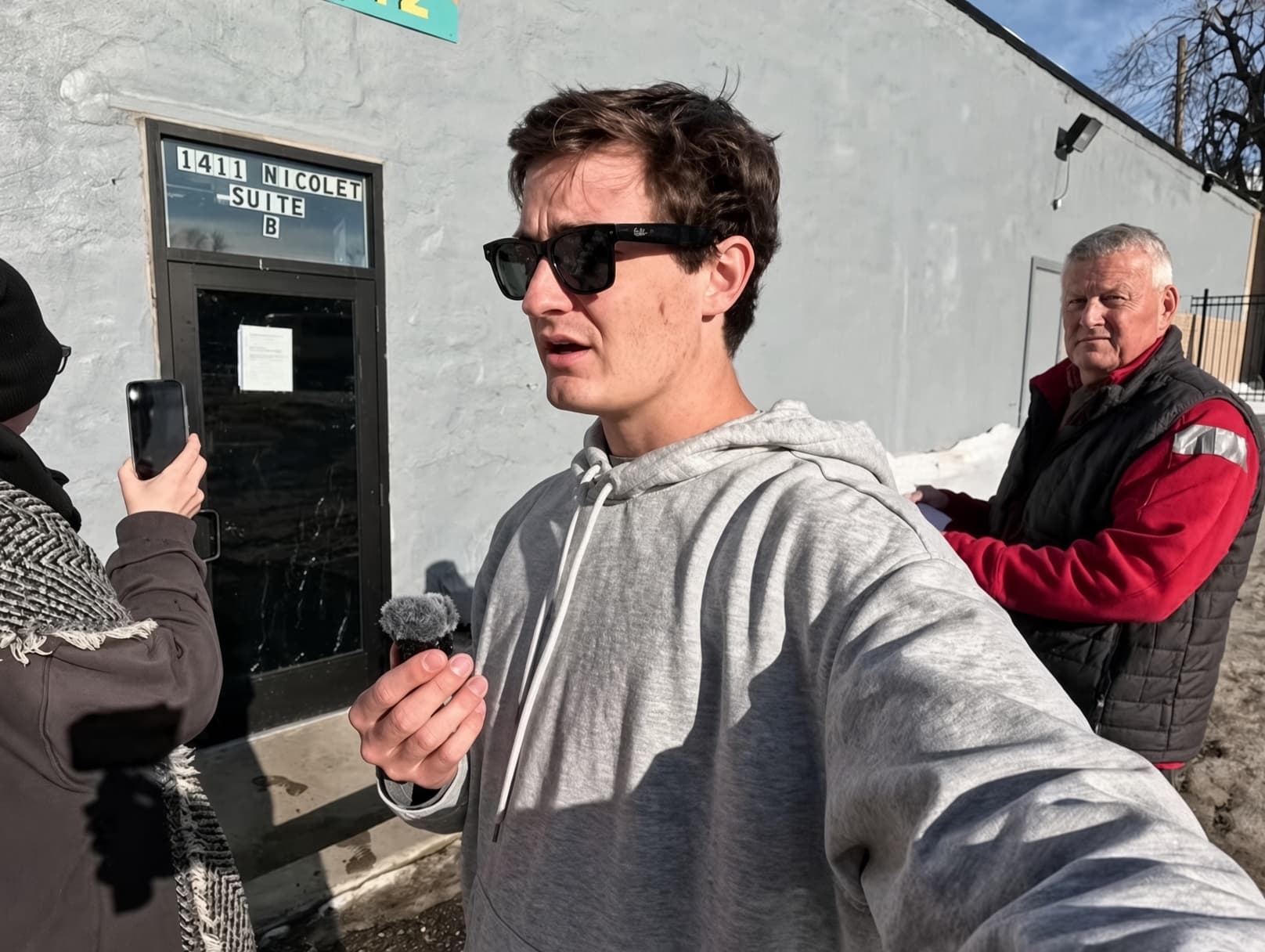
A YouTuber named Nick Shirley started showing up at daycare centers and immigration nonprofits with a camera, knocking on doors, asking questions nobody in charge wanted to answer. In Minnesota he found what he said were empty "ghost" daycare facilities collecting public money for kids who weren't there. In San Diego he did the same thing to Somali-run centers. The videos went viral. Congress noticed. Shirley ended up testifying in front of the Senate Homeland Security Committee this July about fraud he says he uncovered.
California's legislature noticed too, and did something about it. Not about the fraud. About Shirley. Governor Gavin Newsom signed AB 2624 on Saturday, a bill Republicans immediately branded the "Stop Nick Shirley Act." The official version, from bill author Mia Bonta, is that it simply extends California's existing Safe at Home address-shielding program to immigration nonprofit workers, and makes it illegal to post someone's personal information online with intent to incite violence against them. Bonta says her bill protects people who've been doxxed and threatened for doing their jobs. That's the sanitized version, and to be fair, inciting violence against anyone is already a crime nobody sane is defending.
Oddly we have spent all summer with ICE agents being doxxed and Gavin Newsom viewed that as firmly protected by the first amendment. It's almost as if the underlying business of NGOs processing illegal immigration housing, healthcare and food is what he is trying to protect, and not the names of innocent individuals under threat of violence.
But here's what's actually driving the fight, and why the nickname stuck: the timeline. The bill surfaced less than two months after Shirley's Minnesota video went viral, and it followed him straight to California when he showed up there asking the same kind of questions. Republican Assemblyman Carl DeMaio, who coined the nickname, argues the law is written broadly enough to let a friendly local prosecutor treat routine investigative journalism as "harassment," opening reporters up to fines and lawsuits. And there's a wrinkle Shirley made sure everyone saw: Assemblymember Bonta is married to California's Attorney General, Rob Bonta, who'd be enforcing this law statewide. When Shirley put that conflict of interest to Bonta directly on camera, her answer was that California doesn't support misinformation, which isn't actually an answer to the conflict-of-interest question.
So you've got two stories running side by side. The Democratic story: this is a narrow anti-doxxing bill protecting vulnerable social workers from online mobs, and Shirley is cynically making it about himself. The Republican story: this is a state government using the language of privacy to build a legal minefield around anyone who points a camera at how taxpayer money for immigration services actually gets spent, and it's not an accident that the bill's own author happens to be married to the guy who'll enforce it.
You don't need a grand conspiracy theory here, you just need to read the timeline. A journalist exposes fraud in taxpayer-funded programs. The people running those programs, and the politicians allied with them, don't respond by investigating the fraud. They respond by writing a law that makes investigating the fraud more dangerous. That's not a coincidence, that's a pattern, and it's one we've watched play out over and over: expose waste, get called a bigot, then get legislated against. Maybe the bill really is airtight and will never touch a legitimate reporter, as its defenders insist. But laws like this rarely get tested by their authors' best intentions, they get tested by the most aggressive prosecutor willing to use them, and California just handed one a very useful tool, with a conflict of interest built right into the family tree. The daycare centers that were allegedly empty, by the way, are still an open question nobody in Sacramento seems in a hurry to answer.
You Might Also Be Interested In
Garbarino Gets the Nod, But NY-02 Deserves More Than Politics as Usual
South Shore Press Endorsement: Saritha Komatireddy for NYS Attorney General
The Power Behind the Ballot: Why Party Leadership Matters