
From Shale to Stove: Following Natural Gas From Well to Home
A visit to a Pennsylvania drilling site illustrates the engineering behind the natural gas that heats millions of homes across the Northeast.
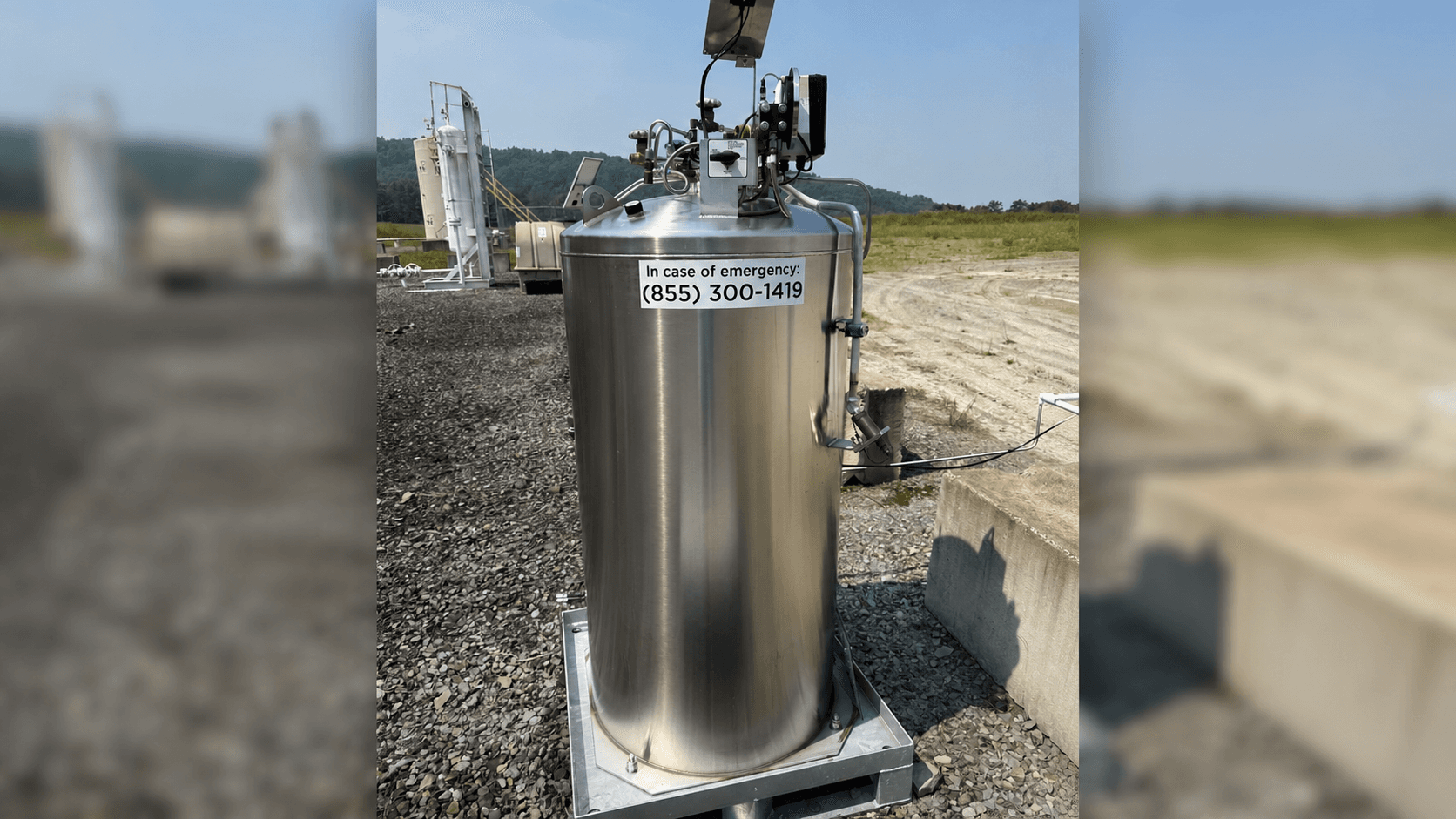
Standing beside the Rossi well pad in rural Bradford County, Pa., it is difficult to imagine that thousands of feet beneath the quiet hillside lies one of the nation’s largest natural gas reservoirs. Yet from this seemingly ordinary patch of ground, enough energy can be produced to heat homes and generate electricity throughout the Northeast.
The Marcellus Shale formation, which stretches beneath Pennsylvania and into southern New York, lies roughly one to two miles underground. After a well is drilled vertically, operators gradually curve the bore until it runs horizontally through the gas-bearing shale, often extending another mile or more underground. Steel casing and multiple layers of cement are installed to isolate the well from groundwater before hydraulic fracturing begins.
Water, sand and other additives are pumped into the well under high pressure, creating tiny fractures in the shale. The sand holds those fractures open, allowing natural gas trapped in the rock for millions of years to flow into the well.
From the wellhead, the natural gas enters gathering pipelines that carry it to compressor stations, where its pressure is increased before it moves into larger interstate transmission pipelines delivering fuel to utilities serving homes, businesses and power plants.
Not all of the water used in the process remains underground. Flowback water returning to the surface is collected in sealed tanks before being transported for treatment or recycling.
“It’s a boon to the economy,” said Sayre truck driver Dwayne Smith, who has spent 13 years hauling water from well sites to treatment facilities. “It paid well.” Smith said the treated water is cleaned before being released under environmental permits, while some water is recycled for future drilling operations.
The Rossi well pad is largely quiet today, a reminder that the busiest phase of development lasts only weeks. Yet beneath the surface, natural gas continues its journey through an intricate network of pipelines, compressor stations and distribution lines before arriving at furnaces, water heaters and kitchen stoves hundreds of miles away.
You Might Also Be Interested In

OPERATION ROTTEN APPLE: ICE Nabs 2,197 In NY Sweep

Health Officials Warn of Growing Tick Threat

Local Control Urged For Broadband Expansion