
Local Control Urged For Broadband Expansion
Legislators say billions in broadband spending have left too many New Yorkers behind and want communities to have a greater role in deciding where expansion dollars go.
Despite billions of dollars committed to expanding broadband, New York still has significant gaps in high-speed internet service, prompting Assembly Republicans to renew their push for a more locally driven approach.
The Assembly GOP is backing legislation that would give counties and regional consortiums greater control over broadband expansion, arguing that local officials are better positioned than Albany to identify neighborhoods where reliable service remains unavailable.
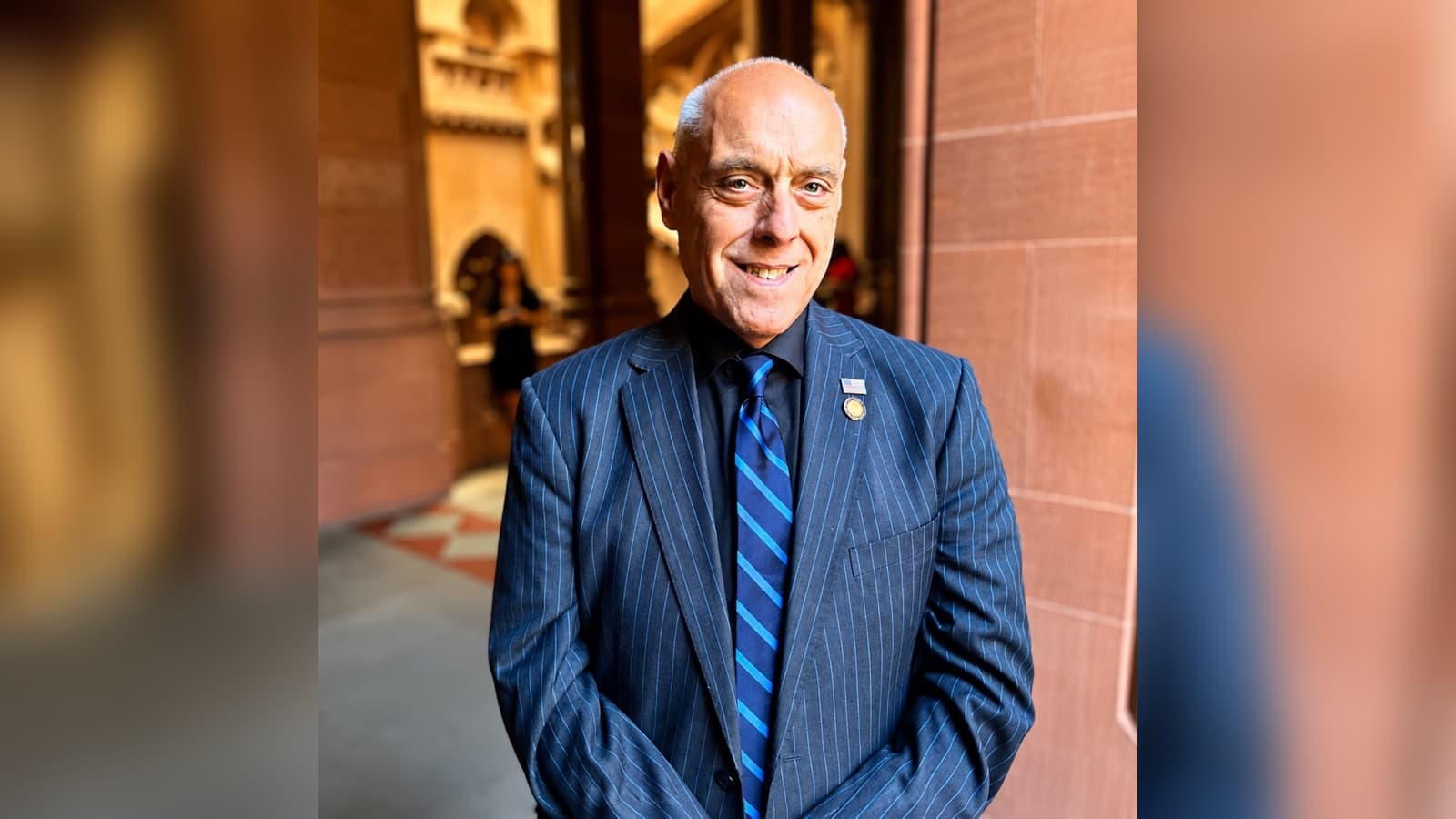
Assemblyman Joseph DeStefano, a co-sponsor of the Regional Broadband Expansion and Access Program Act, said the goal should be straightforward: get reliable service to people who still do not have it. The bill would allow eligible counties to form regional consortiums and develop broadband plans tailored to their communities.
“We’ve spent enormous amounts of money on broadband, but there are still families and businesses that don’t have the access they need,” DeStefano said. “The people who live in these communities know where the gaps are. We should be giving local governments the tools to solve the problem instead of relying on a one-size-fits-all approach from Albany.”
New York’s ConnectALL program is moving ahead with approximately $644 million in federal Broadband Equity, Access, and Deployment funding for broadband construction. The state says projects could take up to four years to complete.
Earlier this year, the state announced a $542 million public-private effort intended to reach 58,617 unserved and underserved homes and businesses, primarily in rural areas.
Republicans say their proposal would complement those efforts by allowing regional plans to fund infrastructure construction, temporary access programs, expanded 5G wireless service and assistance for lower-income residents.
“This shouldn’t be about which party gets credit or which bureaucracy controls the money,” DeStefano said. “It should be about getting broadband to every New Yorker who still needs it and making sure taxpayers are getting results.”
The GOP also argues that affordability remains part of the problem, pointing to New York’s Affordable Broadband Act, which requires qualifying low-income customers to be offered reduced-cost internet service.
“Our priority has to be the people who remain unserved and underserved,” DeStefano said. “Finish the job, spend the money wisely and let communities help determine what works best for them.”
You Might Also Be Interested In

State Launches Historic Unemployment System Overhaul
Senators To Hochul: Pull The Plug On Battery Project

NYS Conservatives: Giglio Scores Perfect 100%