

Misguided State Policy Cost New York Jobs, Energy, and Opportunity
Senate leader says prohibition on natural gas extraction has deprived New York of economic opportunity while leaving the state with higher energy costs and a less reliable electric grid.
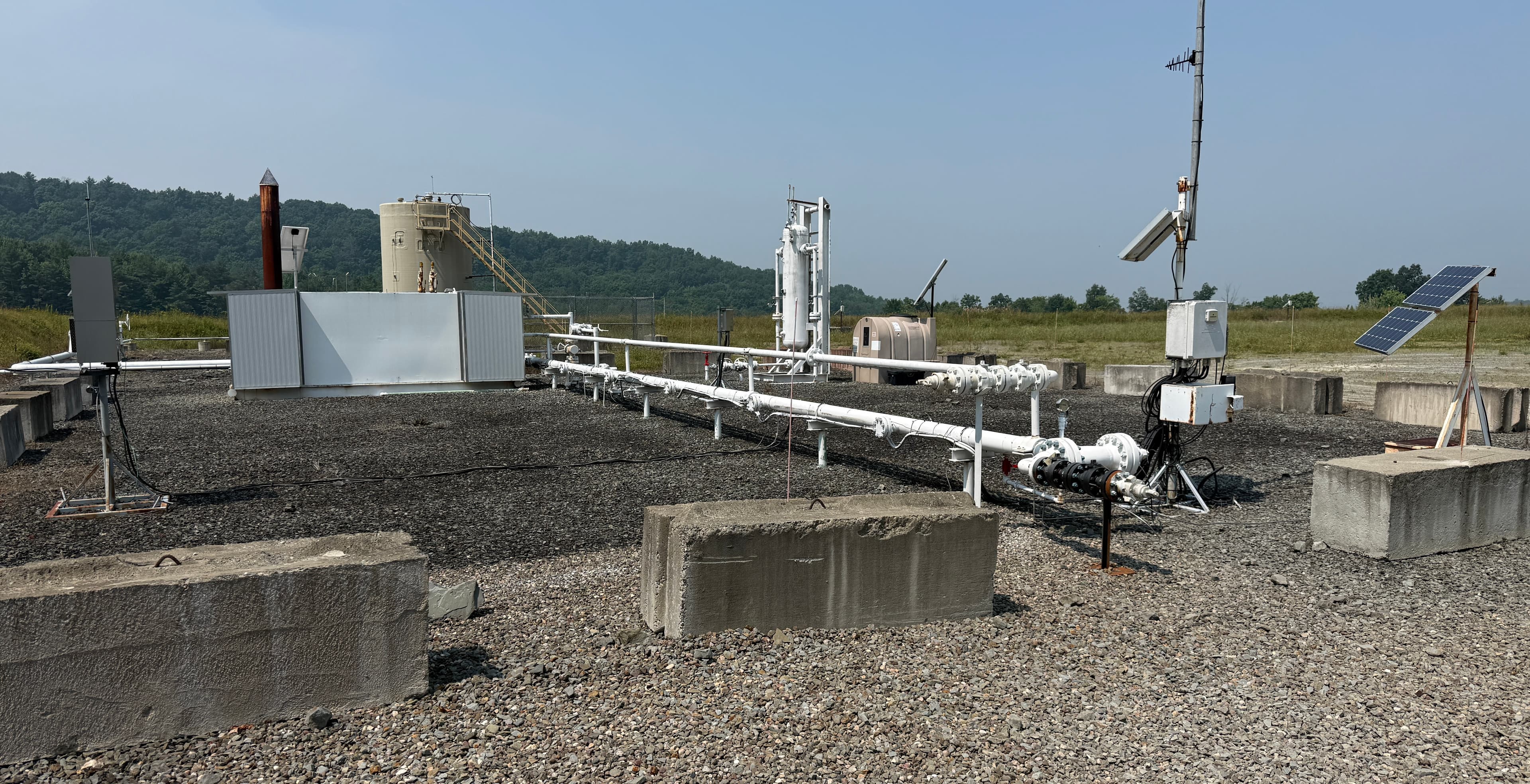
New York’s ban on fracking has cost the state jobs, investment and access to a reliable domestic energy source while neighboring Pennsylvania has reaped the benefits of natural gas development, state Senate Republican Leader Robert Ortt said in an exclusive interview with the South Shore Press.
The prohibition has become an increasingly important part of the state’s energy debate as New Yorkers face rising utility costs, growing demand on the electric grid and concerns about whether the state can produce enough power to support homes, businesses and emerging industries.
“We are exporting jobs and importing energy,” Ortt said. “That has been the policy of this state for as long as I’ve been in Albany.”
New York effectively prohibited high-volume hydraulic fracturing in 2014, when former Gov. Andrew Cuomo adopted new regulations following a Department of Environmental Conservation review.
According to Ortt, the state needs a balanced energy policy that embraces natural gas alongside nuclear power, hydroelectricity and renewable energy rather than relying too heavily on any single source, such as solar and wind.
“Energy is about redundancies,” he said. “You want as many different forms of generation and fuel sources as you can. Obviously, there’s a place for gas, hydro, renewables and nuclear. That’s how you make sure you can always meet the demand.”
He said reliable electricity has become a public safety issue as New York experiences more extreme weather and increasing demand on the electric grid.
“If somebody loses power during days when it’s in the 80s and they can’t run their air conditioning, those become public health issues,” Ortt said. “Reliability and cost are huge factors.”
Looking just across the Pennsylvania border, Ortt said New Yorkers can see the economic opportunity they lost when the state prohibited hydraulic fracturing, the process of using high pressure to force natural gas from rock thousands of feet below the surface.
“Pennsylvania does this,” he said. “They’ve done this safely for many, many years, and communities down there have reaped the benefits.”
He noted that the Marcellus Shale formation stretches beneath both states, yet only Pennsylvania landowners have been able to cash in on its development.
Referring to a landowner on the New York side, Ortt noted: “Underneath his feet is the same natural resource that is under the feet of the guy in Pennsylvania. Only the guy in Pennsylvania has it coming out of the ground, and he’s getting paid for it. For the farmer in New York, it’s essentially been made worthless because of the ban.”
Ortt said New York has adopted an energy policy that exports economic opportunity while importing the very resource it refuses to produce.
“We export the jobs to states like Pennsylvania and import the energy from Canada, New Jersey and elsewhere.”
He said the policy has been especially damaging to the Southern Tier, where communities have struggled with poverty, declining populations and the loss of manufacturing jobs.
“This is an area of New York State that has struggled to attract real economic engines,” Ortt continued. “We could be like Pennsylvania. It would put a lot of people to work. It would create wealth in an area that desperately needs it for schools, roads and communities.”
Ortt explained that New York’s energy policy has been shaped more by environmental advocacy groups than by experts responsible for producing and delivering electricity.
“Our energy policy is being written and driven by the environmental lobby,” he charged. “It’s not being driven by people in the energy sector. We would have a very different energy policy if it were.”
Ortt emphasized that he is not advocating abandoning renewable energy but instead argued for a diversified approach that recognizes the strengths and limitations of every energy source.
“It’s not a binary choice,” he said. “It’s not that you’re for renewables or against them. Renewables have a place in the energy portfolio. But if we had a practical energy policy that looked at demand, usage, economic factors, cost and reliability, we would have fracking and we would have pushed for nuclear a long time ago.”
He criticized New York for closing power plants, prohibiting natural gas production and simultaneously increasing demand on the electric grid through all-electric mandates.
“These are self-inflicted wounds,” Ortt said. “We refuse to allow the generation of the power necessary for us to reach our full potential.”
Ortt also questioned whether prohibiting natural gas development in New York produces any meaningful environmental benefit when neighboring states continue to drill.
“The planet doesn’t end up better,” he said. “These facilities get built in other states. There’s hydrofracking right across the border in Pennsylvania. Pollution doesn’t stop at the New York-Pennsylvania line.”
Instead, Ortt said New York should pursue an energy policy centered on affordability, reliability and domestic production while creating jobs in regions that need them most.
“Jobs in energy go where the energy is produced,” he said. “We should be putting New Yorkers to work here in New York State instead of sending those jobs and that opportunity somewhere else.”
You Might Also Be Interested In

Microgrids Could Ease AI’s Growing Power Demand

Billions in Lost Money Waiting for New Yorkers

Parolee Murder Spree Fuels Albany Crime Debate