New York Is Turning Away the Growth Data Centers Bring
Examples around the country show the promise of jobs and money for schools, police and energy infrastructure. NY says "no thanks".
In July, Gov. Kathy Hochul paused state environmental permits for large data centers. Brookhaven followed in days, and Islip in weeks, with pauses of their own. There is no word on when, or if, these "pauses" will be lifted. History suggests they will never be.
The orders fall on real projects, and on the economic activity those projects would add. GDP is a measure of the economic activity in a place, and more is good. The same measure used for the nation applies to states and towns. GDP gets taxed, and "in theory" government can use those taxes to pay for things people all use, like schools, safety, roads, medical care and help for those with the least. New York should want more GDP.
Federal Reserve staff, working from official construction and investment accounts, estimated that spending on data-center buildings and the equipment inside them added about two-tenths of a percentage point to nominal U.S. economic growth in 2025 once imported gear was subtracted. Their central forecast for this year was about four-tenths of a point. That is national accounting. The same arithmetic holds in a county and in a school district that lives on the property tax.
In Cochise County, Arizona, SpaceX has proposed a $50 billion computing campus and has told the county it would create about 1,000 permanent jobs and about 5,500 construction jobs. The company has projected a potential $250 million sales-tax benefit to the county in year one and new annual property tax revenue of about $30 million to $100 million. It has also pledged about $3.6 billion in electric-grid upgrades for the local cooperatives, at no cost to their members, and a cut in residential power bills. Those co-op benefits remain subject to final agreements.
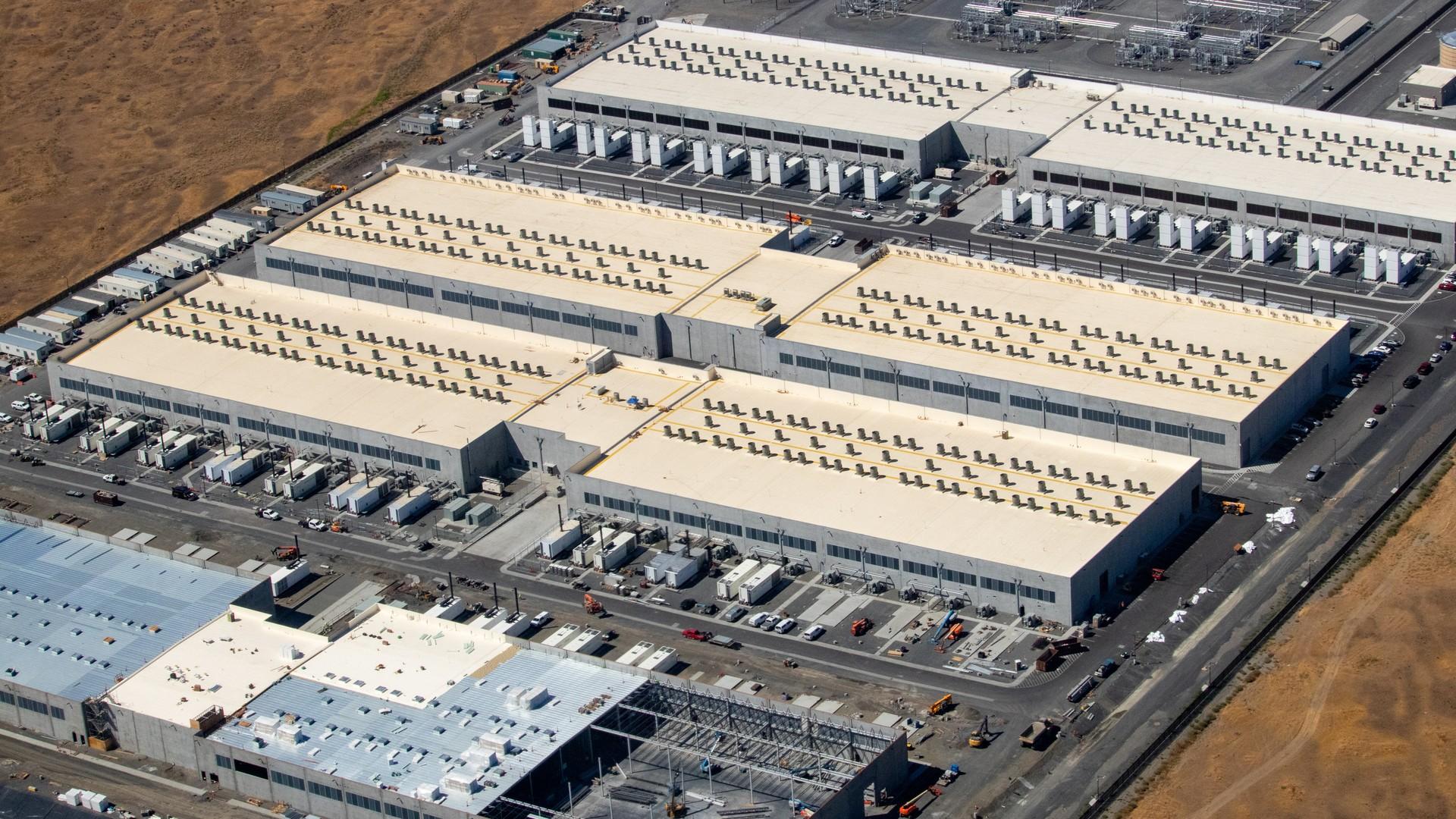
A similar bargain has been put in front of Long Island. A developer, Wildflower, has proposed turning an existing 71-acre industrial campus in Yaphank, already occupied by warehouse buildings totaling about 550,000 square feet, into a digital infrastructure facility. The company has put the private investment at more than $1 billion. Its own economic analysis projects more than 3,000 jobs in the construction phase and a rise in annual property taxes to about $40 million, from about $2 million today. School taxes for the Longwood district would be about $29 million, compared with about $1 million now, without adding school-age children. The developer says it would pay for the electrical substation and interconnection, and that existing ratepayers would not be asked to fund that work. Precedent around the country suggests that that offer is only the opening bid, and more benefits would be available to the community if requested.
Brookhaven's Town Board, under Supervisor Daniel Panico, chose a different course. In July the board unanimously approved a temporary halt on new data-center applications and approvals, a pause set to expire at the end of 2027 so the town can write zoning rules. Islip followed with a pause of its own that runs into February 2028. Hochul presented the statewide halt, limited to facilities that use 50 megawatts or more, as time to write stronger rules and to protect ratepayers, water and the grid. As of May, the governor's order said, data-center load requests totaling nearly 12 gigawatts were waiting to connect. That is a choice to stop the GDP those requests represent until Albany and the towns say otherwise.
Voting against the things that add to GDP, or blocking GDP with policy, needs to be clearly justified, and should be done only when it is clearly in the interest of the people. New York has run that experiment before. The state prohibited high-volume hydraulic fracturing after a 2015 environmental review, and later wrote the ban into law, on the premise that fracking pollutes the environment. Neighboring Pennsylvania has allowed the practice for years and remains one of the country's largest natural gas producers. Federal energy statistics put Pennsylvania's marketed production at about 7.7 trillion cubic feet in 2025, second only to Texas. Blocking fracking on that pollution premise is a straw man argument when the work already goes on next door, and the harm, as it can be seen there, is largely irrelevant.
Data centers also exist. What happens when a community allows one to be built can already be seen in the offers. State and local leaders are blocking the GDP a data center would provide. Why? Less money for schools and for the power grid. Why? New Yorkers deserve answers.
You Might Also Be Interested In

Judge Lets New York City's Rent Freeze Stand

TWU President Quits MTA Board After Hochul Challenges His Florida Residency

DHS Says New York Ignored Five ICE Detainers on Chinatown Murder Suspect