Hochul Plans New Nuclear Power as Grid Operator Projects a 2033 Shortfall
State analysts put public subsidies for the nuclear buildout as high as $24 billion, and no reactor site has been chosen
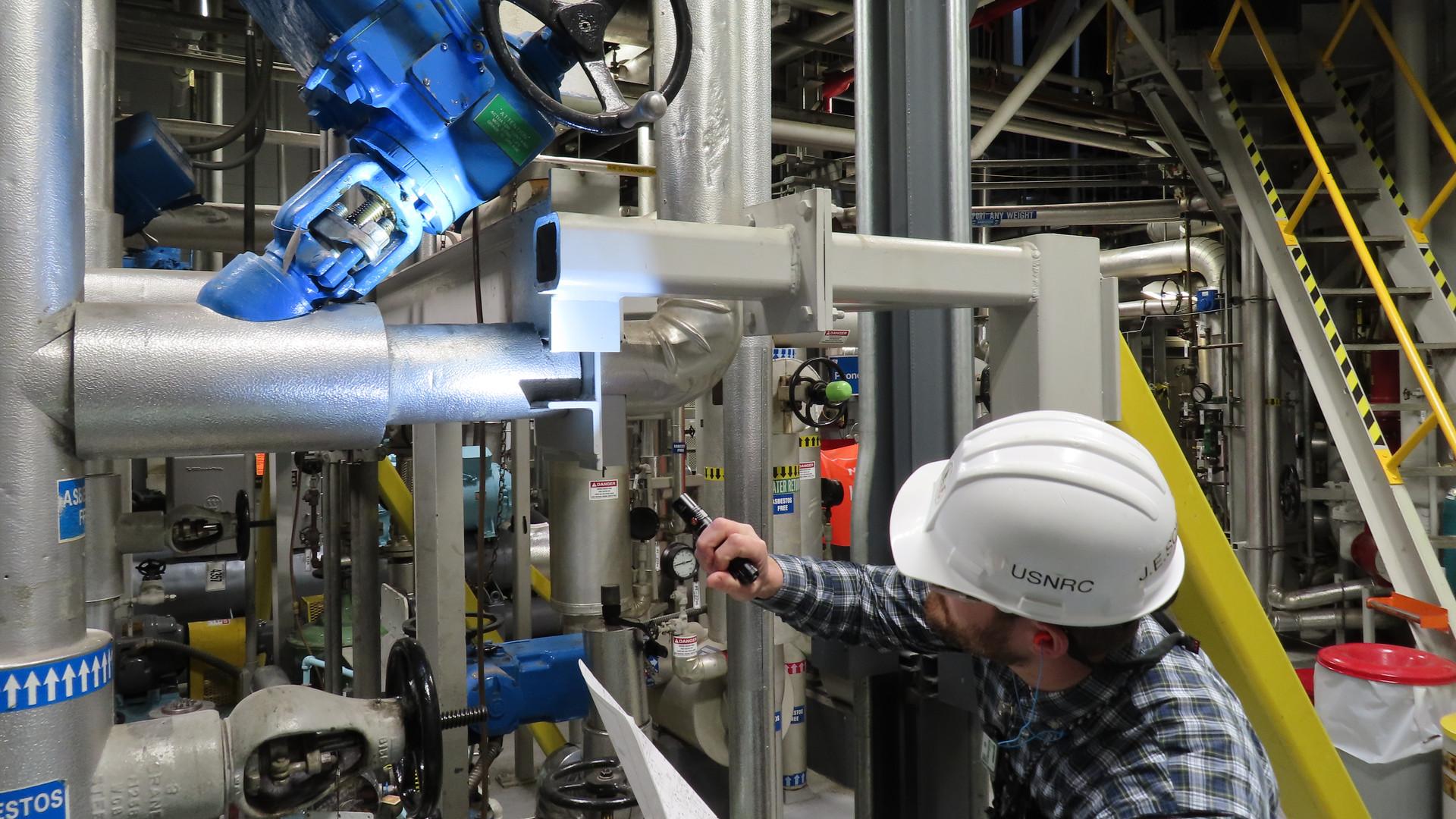
Gov. Kathy Hochul wants New York to build about 5 gigawatts of new reactors. The state's grid operator expects electricity supply to fall short of demand starting in 2033, well before most of those reactors could be running.
Hochul introduced the Advanced Nuclear Master Plan last week at a nuclear summit in Rochester. The 30-point plan, written by NYSERDA, the state's energy research agency, and the state Department of Public Service, would add the new reactors to the four that now operate at three sites on Lake Ontario. Hochul said the buildout would exceed all the nuclear power the country has built in the past 30 years. She said a reactor takes about 10 years to build on average, seven of them in federal review. Hochul described her pitch to President Donald Trump this way: "You cut your time in half, I'll cut my time in half, and we'll get this done while you're still President." State energy plan modeling cited in a June policy paper allowed only a few gigawatts of new nuclear by 2040 and reached about 5 gigawatts by 2050.
The state program has not yet chosen a site, a reactor design or a federal license. The New York Power Authority leads the first piece, at least 1 gigawatt upstate. Eight parties volunteered as hosts, six of them counties: Broome, Jefferson, Oswego, Schuyler, St. Lawrence and Wayne. The others are the city of Dunkirk and RED-Rochester, which runs the power plant at Eastman Business Park. The master plan points to former coal plant sites as a cheaper option, and state and federal energy officials are helping Constellation Energy seek an early site permit at the Nine Mile Point nuclear complex in Oswego County.
The June paper from NYSERDA and Public Service Commission staff estimated that public support for 5 gigawatts would cost as much as $24 billion in present value over the first 25 years the plants run. Federal loans could cover up to 80 percent of construction costs for early projects, leaving at least a fifth to be raised from investors. Commission staff now recommends support that electricity customers would fund mainly once a plant delivers power, and it wants other funding sources examined as well. "I watch what happens in other parts of our country. That's not happening here. No overruns," Hochul said at the summit, promising cost controls.
Dozens of Democratic legislators opposed state dollars for new reactors in a September letter. Tim Judson, who heads Nuclear Information and Resource Service, said in a statement as opponents rallied outside the summit that new reactors take 10 to 15 years at minimum and "can't do anything for the energy affordability crisis."
The grid operator's latest reliability study found the first statewide shortfall in its history, starting in 2033 and growing to about 2 gigawatts by 2036, with New York City falling short as early as 2032. Its planners cite data centers, factories and an aging fossil fleet. "New generation and transmission resources take years to plan, permit, and build, so the reliability needs identified in this report must be addressed today," said Zach Smith, the operator's senior vice president of system and resource planning.
The operator counts more than 4 gigawatts of deactivations since 2019 against about 3 gigawatts of additions. Indian Point, whose two reactors produced about 2 gigawatts for New York City and Westchester, shut its units in 2020 and 2021 under a settlement with the state. The last coal plants closed by 2020, and a 2019 environmental rule on older peaking plants had idled or limited about 1 gigawatt by 2023. In its annual outlook, the operator wrote that "the policy driven clean energy transition has accelerated supply retirements while limiting avenues for replacement, resulting in generator retirements outpacing new entry."
Hochul pairs nuclear with wind and solar, a mix she describes as "all of the above." She called nuclear "the most sustainable, the most reliable, and ultimately, when it's all done, the most affordable way we can power our state." The master plan projects that new reactors would trim net system costs by about $30 billion by 2040.
The Public Service Commission has yet to rule on its staff's recommendations, and the June paper sets a marker in the same year as the projected shortfall: reactors must start construction by 2033 to collect the full federal tax credits. After qualifying 10 developers on Nov. 12, the Power Authority expects to pick a host, a technology and a partner in the coming months.
You Might Also Be Interested In
Hochul Signs Ban on Monthly Fees for Car Features Already Built In
Mamdani Plan Would Close Rikers Island at the End of 2032, Pay Families of Criminals to House Them
Calls for R State Chair Cox to Step Aside. Jesse Garcia is the Man For the Job.