Mamdani Plan Would Close Rikers Island at the End of 2032, Pay Families of Criminals to House Them
The 88-page plan asks the City Council to change the legal closing date and sets out population ceilings and a family housing program that would pay relatives to house people leaving jail or prison
Mayor Zohran Mamdani on Nov. 20 released an 88-page document on the closing of Rikers Island, with the people held there moving into four new borough jails. The document asks the City Council to change the legal closing date from Aug. 31, 2027, to Dec. 31, 2032. It also would grow an initiative that pays households to take in relatives coming home from jail or prison, and no published record states who qualifies for the payments.
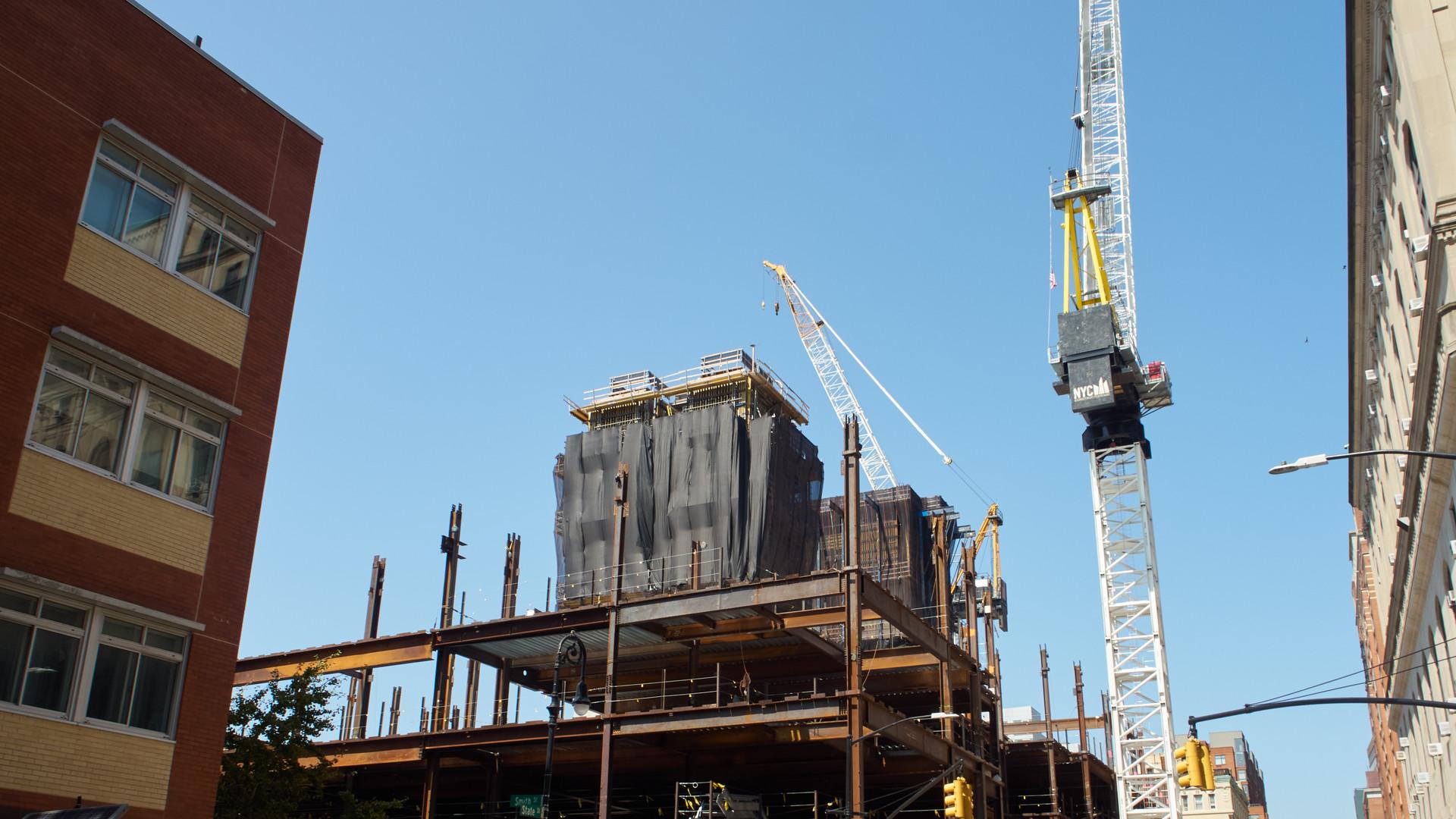
The city is building four 1,040-bed borough jails and three hospital units, for about 4,500 beds in all. Brooklyn is scheduled to open first, in 2029, and will also take people from Staten Island. Jails in the Bronx and Queens are due in 2031, and the Manhattan jail is due in 2032.
On Nov. 20, the city's daily census counted 6,638 people in custody, 86 percent of them held before trial. The same dashboard counted 6,593 on Oct. 15, 2024, so the jail population has not begun to fall and is slightly higher than it was a year ago. The plan sets a ceiling of 5,500 people when the Brooklyn jail opens in 2029 and 4,100 by the end of 2032.
The plan aims to bring the count down mainly by shortening how long cases take, with $30 million in the current fiscal year and $260 million more planned through fiscal 2030. It also calls for a restored online bail payment portal and upgraded electronic monitoring, along with pilot alternatives to detention at arraignment. The plan names length of stay as the driver of the jail count, and it says the average stay rose from 63 days in 2017 to 102 days in 2025.
The Kinship Reentry Housing Program would grow from 50 families to 300 under the plan. The Osborne Association, a nonprofit, runs the program and launched it as a pilot in July 2021, with funding from Trinity Wall Street. A 2023 assessment by Chapin Hall researchers found that a head of household receives $500 a month for 12 months as a charitable gift. The plan states that the program has served more than 250 families and that two of those families saw a loved one go back to incarceration while enrolled. The 2023 assessment said the program appeared ready for a more rigorous evaluation after more work on measures and recruitment, and the plan cites no such study.
The plan says the program provides "a stable home for people returning to community from Rikers or prison, including 100 people with diagnoses of serious mental illness, substance use disorder or other complex behavior health needs." Neither the plan, Osborne's program pages, its 2025 testimony to state legislators nor the Chapin Hall assessment states any rule about the offense a returning person was charged with or convicted of. Families are screened for eligibility, and no published document sets out the criteria. A widely shared post on X claims the program would admit killers and rapists. The records contain no list of participants' charges and no clause that admits or bars people convicted of violent offenses. The plan's appendix puts about 4,070 of an average 5,520 pretrial detainees on violent felony charges in the first half of 2026, and the city has published no count of how many of them reach Kinship.
The plan commits $3.55 million in fiscal 2027 and $7.1 million a year after that "to expand the Kinship Reentry Housing Program from supporting 50 to 300 families." It names no budget line, gives no multiyear total and does not say whether the new amounts replace or add to current spending. In a human services contract plan covering October 2024 to September 2025, the mayoral criminal justice office listed Kinship Housing as one contract worth $3.54 million a year, with a new contract starting July 1, 2025, and the vendor still to be determined. The office's next plan, covering October 2025 to September 2026, does not list a Kinship Housing contract.
A City Council oversight hearing on the plan is planned for December, and budget talks will follow. The published plan does not include the Kinship eligibility rules or a year-by-year population target. Until the City Council amends local law, the official closing date remains Aug. 31, 2027, and the 2032 schedule in the plan has no legal force.
You Might Also Be Interested In

Calls for R State Chair Cox to Step Aside. Jesse Garcia is the Man For the Job.
Ex-NYPD Officer Charged in Brooklyn Jogger's Death Says Allah Told Him to Kill

Eight Killed in Brooklyn Collapse; Records Show Sign Penalties on Fallen Building