
One Resource, Two Vastly Different Fortunes
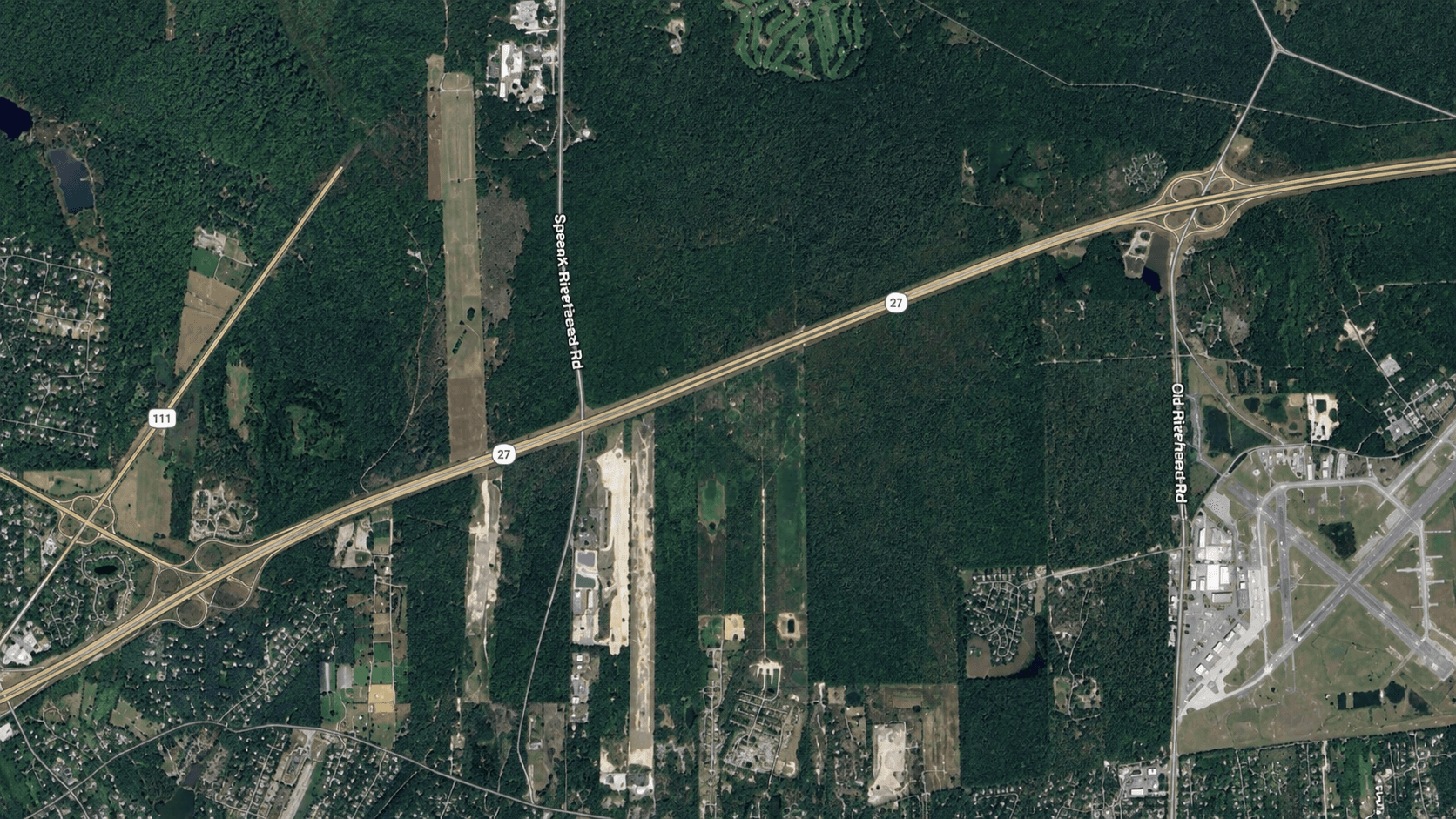
Lawmakers representing New York communities along the Pennsylvania border say the state’s prohibition on hydraulic fracturing has deprived residents of jobs, investment, and energy opportunity, while neighboring counties have prospered from natural gas development.
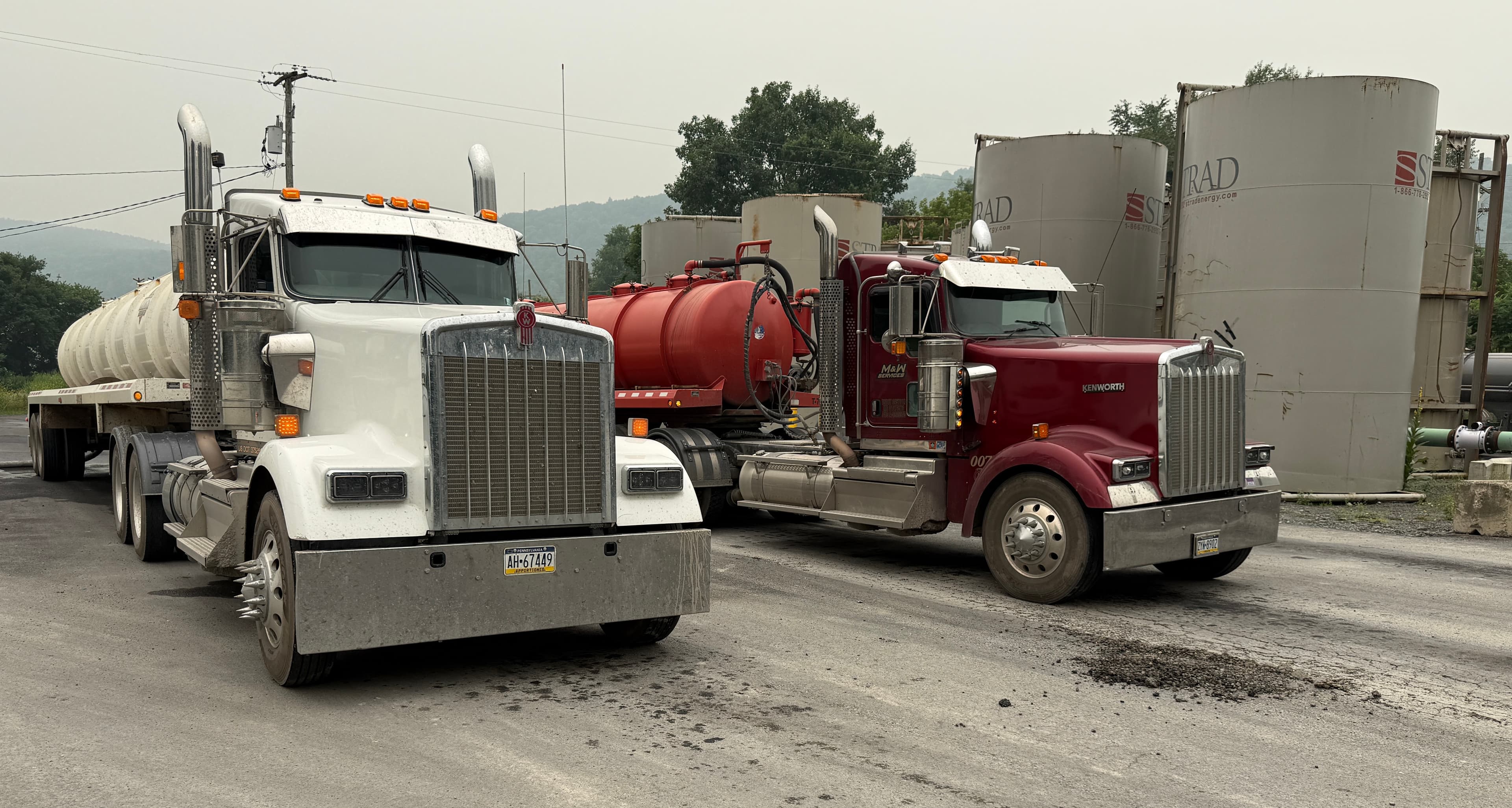
Standing just a few miles from Pennsylvania, New York residents can see what state Senators Tom O’Mara and George Borrello describe as two vastly different economic realities separated only by a state line.
Representing districts that border Pennsylvania, the two lawmakers say New York’s ban on hydraulic fracturing has cost the Southern Tier billions of dollars in investment, thousands of jobs, and an opportunity to revitalize struggling rural communities, while neighboring Pennsylvania has experienced an economic transformation fueled by development of the Marcellus Shale.
“It’s very frustrating, it’s unfortunate, and it’s sad,” O’Mara said. “Farmers along the Southern Tier of New York have witnessed the growth and wealth created for farmers in the Northern Tier of Pennsylvania.”
According to O’Mara, the difference has become measurable.
“I just saw statistics the other day that the individual GDP is about 50 percent higher per individual in the Northern Tier of Pennsylvania as opposed to the Southern Tier of New York,” he said. “It wasn’t that way before.”
O’Mara said he has supported natural gas development from the beginning because he believes it can be conducted safely.
“I believe we can do it responsibly and environmentally safely, and we should be doing it,” he said. “All this state seems to do is say no to business.”
The senator said the contrast has been especially painful for New York farmers who watched their Pennsylvania neighbors prosper during the natural gas boom.
“I’ve heard from farmers that the equipment dealers they used in Pennsylvania couldn’t even service their machinery anymore because they were too busy selling new equipment to Pennsylvania farmers,” O’Mara said. “It’s absolutely unreal.”
Instead, he said, many Southern Tier farms have fallen into decline.
“It’s sad,” O’Mara said. “All the state seems to want to do is cover up farmland with solar panels.”
Borrello said his district provides a daily reminder of what New York has chosen to forgo.
“My district borders Pennsylvania for about 100 miles,” he said. “We are watching the prosperity and the economic boom on the other side of the border.”
He pointed to what he sees while traveling between the two states.
“You go to Pennsylvania, you see guys driving around in brand-new Cadillac Escalades,” Borrello said. “Then you go on the other side of the border in New York and they’re driving around in rusted-out 25-year-old pickup trucks.”
Borrello argued that New York is sitting atop abundant natural gas reserves while refusing to develop them.
“We have, underneath our feet, an abundance of natural gas,” he said. “The worst part about it is they’re doing it literally a thousand yards away across the border in Pennsylvania.”
He said the natural gas reservoirs do not stop at the state line.
“These veins in the Marcellus Shale run for miles,” Borrello said. “There’s no doubt that the people on the Pennsylvania border are tapping into gas that ultimately goes into New York State.”
Both senators tied the fracking ban to what they view as a broader energy policy that has driven up utility costs and discouraged business investment.
“The answer is easy,” O’Mara said. “Generate electricity with all possible sources. We should be having natural gas-fired generating facilities because today’s technology is cleaner burning and more efficient.”
Instead, he said, New York has “strangled itself with electricity.”
O’Mara also criticized state climate policies, arguing they have reduced generating capacity while increasing demand.
“We actually have less power generation in New York State today than we had when the Climate Leadership and Community Protection Act was instituted,” he said. “We’re going backwards.”
The law, signed by former Gov. Andrew Cuomo in 2019, sets New York on a path away from fossil fuels and toward an all-electric economy powered primarily by renewable energy, goals opponents say cannot be achieved without enormous economic costs.
Borrello said the consequences are already being felt by every household.
“Affordability is the number one concern for New Yorkers,” he said. “Every month families open their utility bills and see the impact of these disastrous energy policies.”
He argued that uncertainty created by state policy has discouraged investment in energy infrastructure.
“We told energy companies, ‘Don’t invest here,’” Borrello said. “Who’s going to invest billions of dollars when you’re telling them they’re going to be out of business? The answer is nobody.”
As a result, he said, New York now faces an aging electrical grid, aging natural gas infrastructure, and some of the nation’s highest utility costs.
“We are 70 percent higher than the national average when it comes to our utility bills,” Borrello said. “It’s because of bad policy.”
For O’Mara, the most significant loss is not simply energy production, but economic opportunity.
“It is extremely frustrating,” he said. “It’s very sad, and it’s demoralizing to the community as a whole.”
You Might Also Be Interested In

OPERATION ROTTEN APPLE: ICE Nabs 2,197 In NY Sweep
Health Officials Warn of Growing Tick Threat
Local Control Urged For Broadband Expansion