
Trump Threatens Iran as Hormuz Talks Resume in Oman
The ceasefire between Washington and Tehran collapsed this week over attacks on commercial shipping
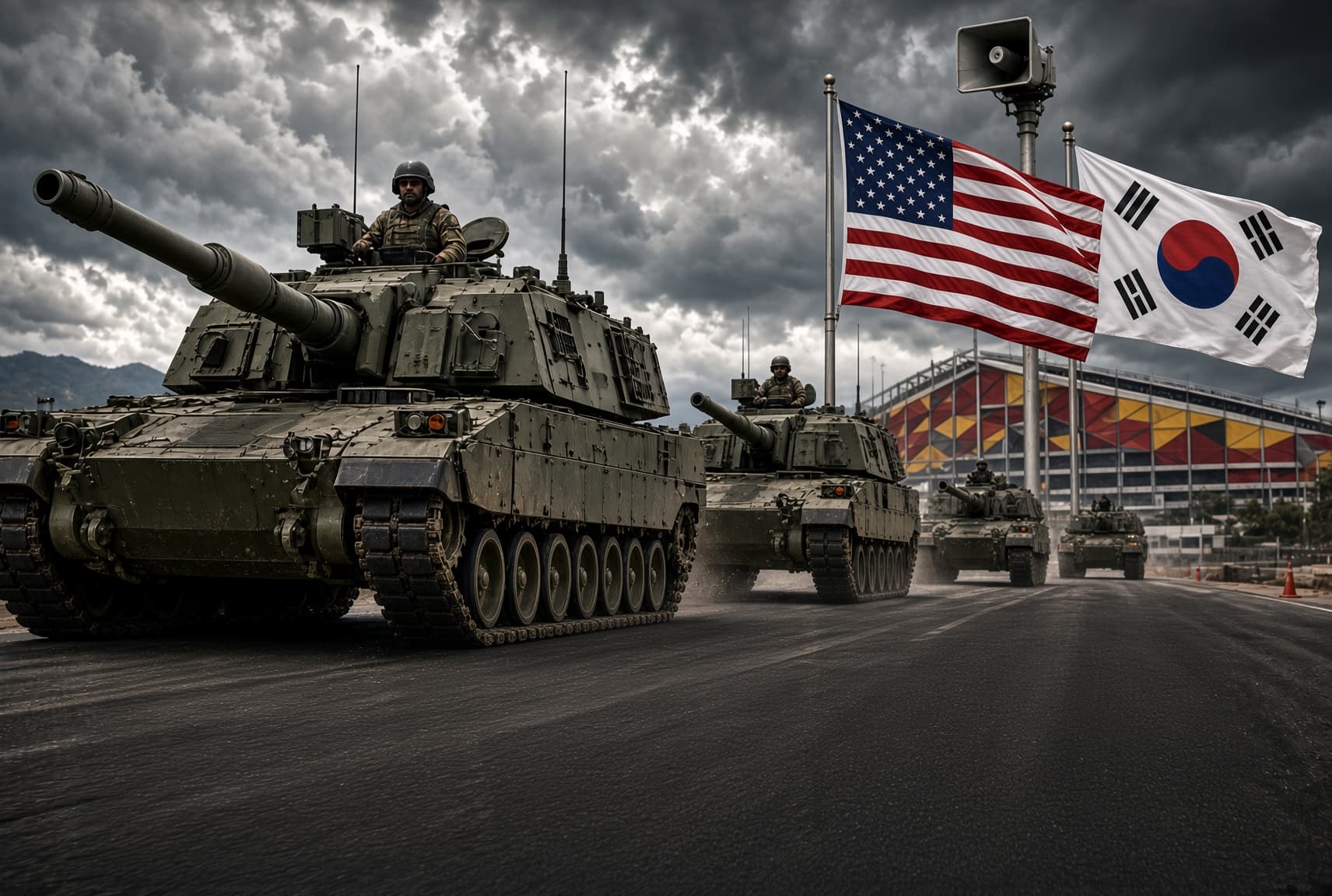
President Donald Trump threatened to unleash a thousand missiles against Iran on Friday and Saturday, while simultaneously agreeing to resume negotiations with Tehran, as the fragile ceasefire between the two nations buckled under a week of military exchanges over control of the Strait of Hormuz.
Trump posted on his Truth Social platform that "1000 Missiles are Locked and Loaded and aimed at the Islamic Republic of Iran, with thousands of more to immediately follow, should the Iranian Government act on its threat" to assassinate him. He added that the U.S. military was "ready, willing, and able, for a one year period of time, subject to extension, to completely decimate and destroy all areas of Iran."
The threats came after mourners at the funeral of Iran's slain Supreme Leader Ayatollah Ali Khamenei, who was killed in a U.S. airstrike on Feb. 28, displayed banners calling for Trump's death. Israel had also shared intelligence with Washington alleging an active Iranian plot to assassinate the president, according to multiple U.S. media reports citing unnamed officials.
Despite the heated rhetoric, Trump confirmed on Friday that the United States had agreed to continue nuclear and security talks with Iran. Iranian Foreign Minister Abbas Araghchi traveled to Muscat, Oman, on Saturday for negotiations focused on the Strait of Hormuz. Qatari mediators separately traveled to Tehran on Friday.
The current crisis was triggered earlier in the week when Iran attacked three commercial vessels near the strait, which the U.S. said violated the June memorandum of understanding between the two countries. The U.S. carried out airstrikes against Iran in retaliation, and Iran launched missiles and drones at U.S.-linked military facilities in Bahrain and Kuwait.
Senior U.S. officials, speaking on condition of anonymity, said a rogue faction of Iranian hard-liners was responsible for the ship attacks and was trying to sabotage the ceasefire. Iranian officials reportedly told Trump administration advisers privately that the attacks stemmed from what they described as an "errant" faction of hardliners seeking to undermine negotiations — an account that broadly tracked the U.S. characterization. Tehran publicly disputed that framing, insisting its government was unified under new Supreme Leader Mojtaba Khamenei, the son of the slain ayatollah.
Mojtaba Khamenei issued a written statement on Saturday warning that vengeance for his father's killing "is the will of our nation and must certainly be carried out."
The U.S. demanded that Iran publicly declare the Strait of Hormuz open and pledge to stop firing on commercial ships as a precondition for productive talks. One U.S. official said, "They're either going to give us that statement or we're not having a good outcome for them." The Trump administration issued that demand in a briefing with reporters Friday, giving the Oman talks a concrete Saturday deadline.
According to CBS News, the White House wanted Iran to publicly acknowledge its mistake and treat the ship attacks as a ceasefire violation, and that Trump had directed JD Vance, Jared Kushner, Steve Witkoff and Marco Rubio to keep negotiating.
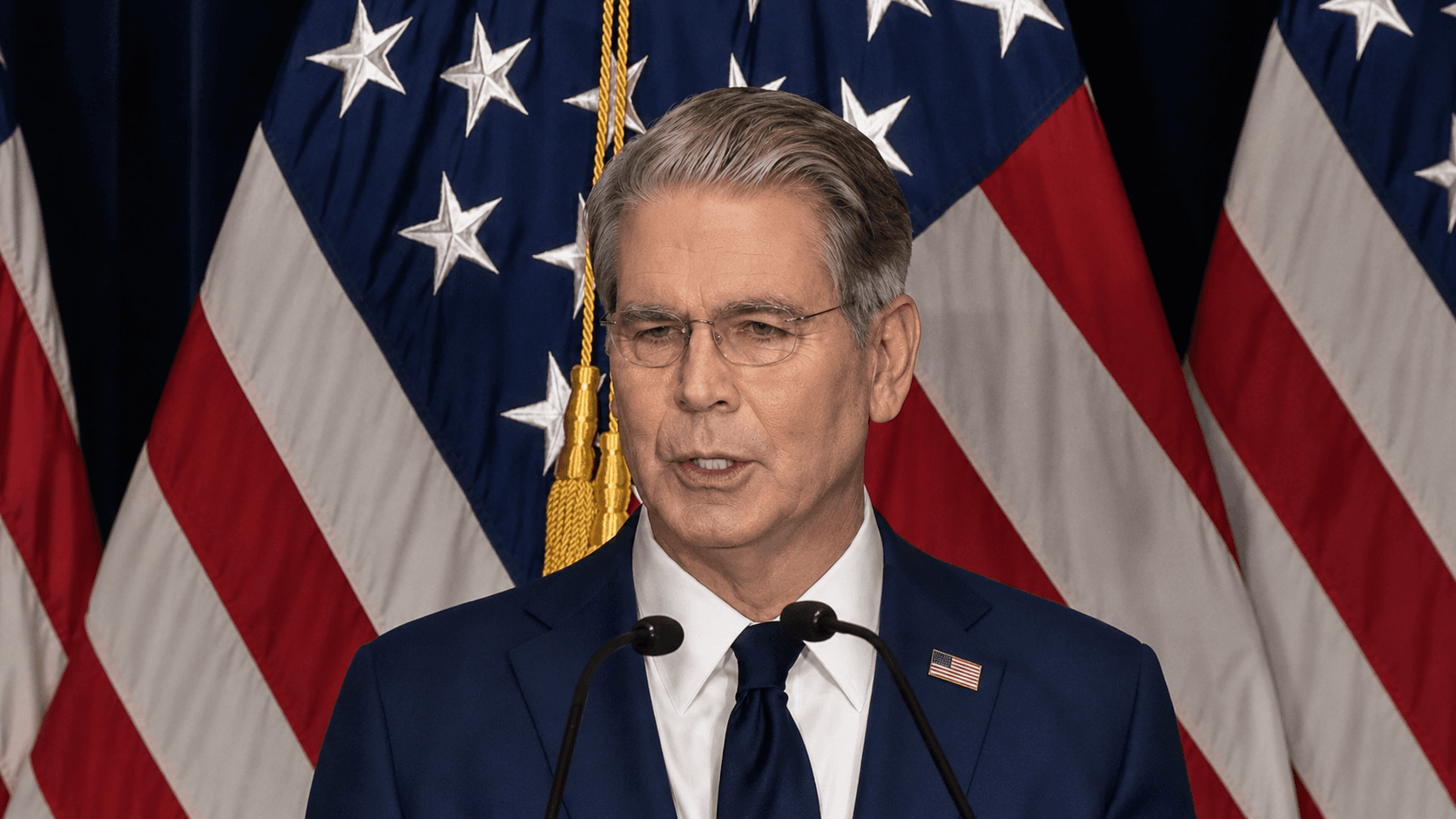
Iran's foreign minister said the new U.S. Treasury Department sanctions announced this week against an alleged Iranian financier violated the June memorandum. The Treasury said it sanctioned Ali Ansari, whom it described as overseeing a global network of assets benefiting Mojtaba Khamenei.
Europe was studying proposals that would allow Iran to charge voluntary navigational service fees in the strait, provided they complied with international maritime law and had the backing of the U.N.'s International Maritime Organization. Oman, which controls most of the strait's navigable waters, developed a framework modeled on the cooperative mechanism governing the Strait of Malacca.
About one-fifth of all globally traded oil and natural gas passed through the Strait of Hormuz before the war began, and the standoff has continued to roil energy markets.
You Might Also Be Interested In
Trump Launches Economic Asphyxiation Campaign Against Iran

Treasury Chief Vows to 'Collapse' Iran With Historic Sanctions
UAE Cuts All Trade With Iran After Missile Attack Claims