U.S. Forces Disable Sixth Ship Since Iran Blockade Resumed
A military aircraft strikes the Pacific Archer's stern after warnings, and the crew is unharmed
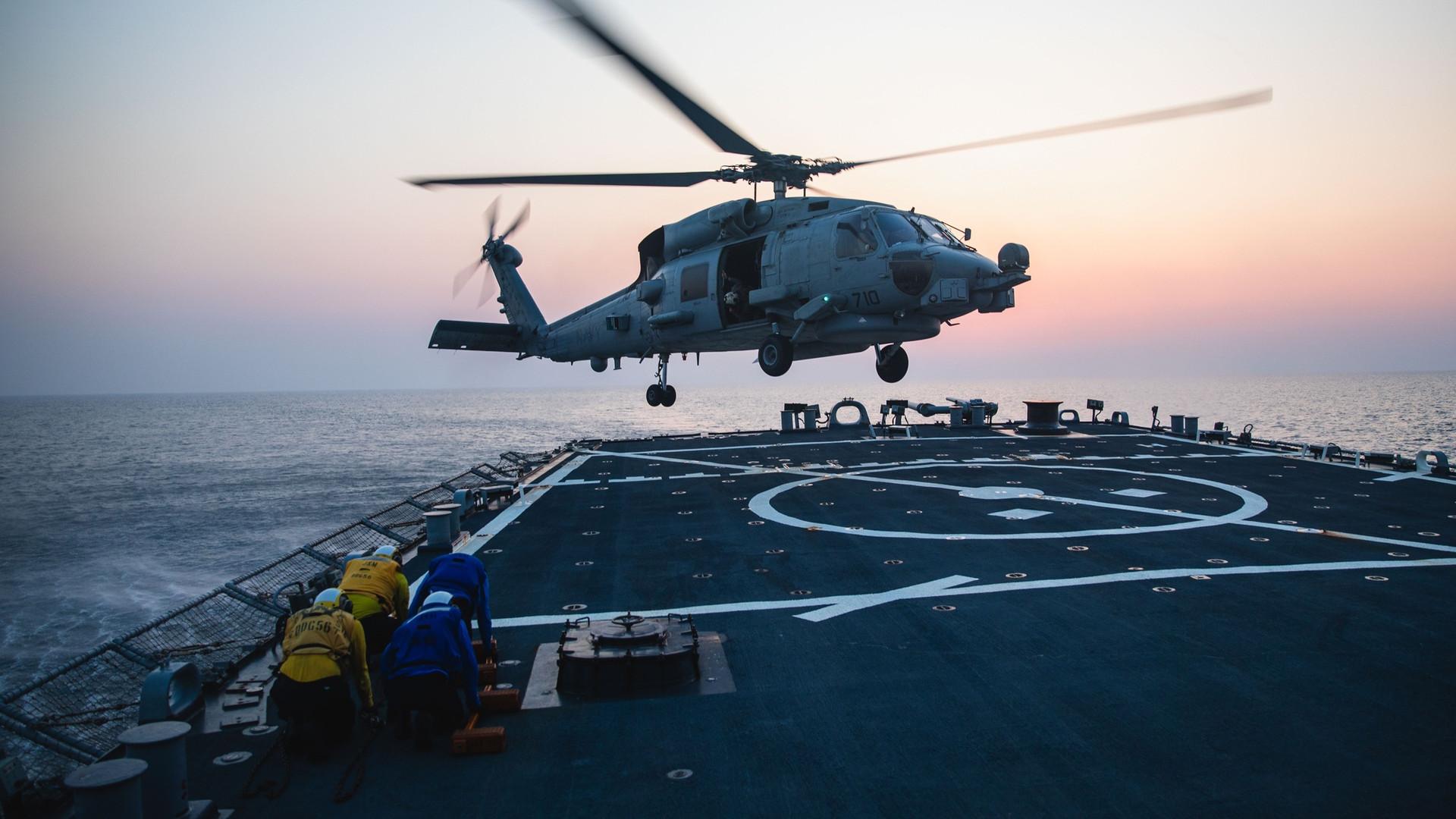
U.S. Central Command said an American military aircraft disabled a Palau-flagged bulk carrier on Thursday in the Gulf of Oman, the sixth commercial vessel put out of action since the blockade of Iranian ports resumed in July.
The command named the ship as the Pacific Archer and said a military aircraft fired on the stern after several warnings, leaving the ship unable to move under its own power. The military said the civilian crew was unharmed. It said the bulk carrier had left Bandar Abbas and then tried to pass through regional waters in defiance of the blockade.
A British Royal Navy office that tracks merchant shipping issued an advisory a day later on an incident in the Gulf of Oman between a cargo ship and military forces. The notice did not name the vessel and said an investigation remained under way.
In a statement issued a day later, the command said U.S. forces have turned away 158 commercial vessels that complied with the blockade and have disabled six that did not. The previous disablement came earlier this month, when a military aircraft struck the stern of the cargo ship Huda in the Gulf of Oman. The command said the civilian crew had been warned repeatedly. In October, a fighter jet disabled the cargo ship Ocean Molica after it left an Iranian port.
The blockade was first imposed in April, paused in June, and restarted on July 14 at the direction of the president. During that first stretch, the command said, its forces turned away more than 140 vessels that complied and disabled nine that did not. It said more than 50 ships carrying humanitarian aid were allowed to pass.
President Donald Trump, speaking from Mar-a-Lago during Thanksgiving calls with U.S. troops, said, "We have victory at hand" in the conflict with Iran and that it would come "whenever I want it to be." He said, "We're giving them every chance to make a deal and save a lot of lives," and added, "I'm not sure if they are going to take advantage of that."
Trump later told reporters he attaches little weight to claims that Russia and China have been feeding Iran intelligence used to target American forces in the region. "I think that they're very little involved with Iran," he said. "They could get involved, but involvement to me would mean shooting, not giving them little information."
Foreign Minister Abbas Araghchi said last week, "The blockade must be broken," and that Tehran would work to move oil and to keep talking. Foreign Ministry spokesman Esmaeil Baghaei said Iran is entitled to use any means necessary to counter what he described as unlawful American measures that violate the United Nations Charter. He said options under review include political and military steps, and he dismissed reports of an imminent Iranian tanker convoy as speculation. Mohammad Mokhber, an adviser and aide to Iran's supreme leader, told reporters the Strait of Hormuz would not be opened and that Tehran would not allow the blockade to remain. He said that effort was already under way.
On Friday, Kuwait summoned Iran's ambassador, Mohammad Totonji, and delivered a written protest following a drone attack the day before on a Kuwaiti military site. The attack killed two Italian nationals and injured one Kuwaiti and one Pakistani. Hamad Sulaiman Al-Mashaan, the deputy foreign minister, said the attacks were a "flagrant violation" of Kuwait's "sovereignty and territorial integrity" and said Kuwait holds Iran fully responsible. Tehran has denied any role in that strike.
In its November outlook, the Energy Information Administration put Iran's crude production at 2.3 million barrels a day in the third quarter. That was down from 3.4 million barrels a day in the first quarter. The agency said it expects Iranian oil exports to remain constrained through the period it forecasts.
The command said it would keep enforcing the blockade and called on commercial crews around the Gulf of Oman and the Strait of Hormuz to follow its warnings. Iranian officials have said the blockade has to end and have refused to reopen the strait on Washington's terms.
You Might Also Be Interested In
Ukraine Offers Black Sea Farm-Cargo Truce and Awaits Russia's Answer
Kim Jong Un Calls for Broader Use of Tactical Nuclear Weapons
Russian Drone Crosses Into Eastern Poland as Military Holds Fire