Ukraine Offers Black Sea Farm-Cargo Truce and Awaits Russia's Answer
Sybiha said oil could belong in a wider energy pause, but not in this maritime bargain
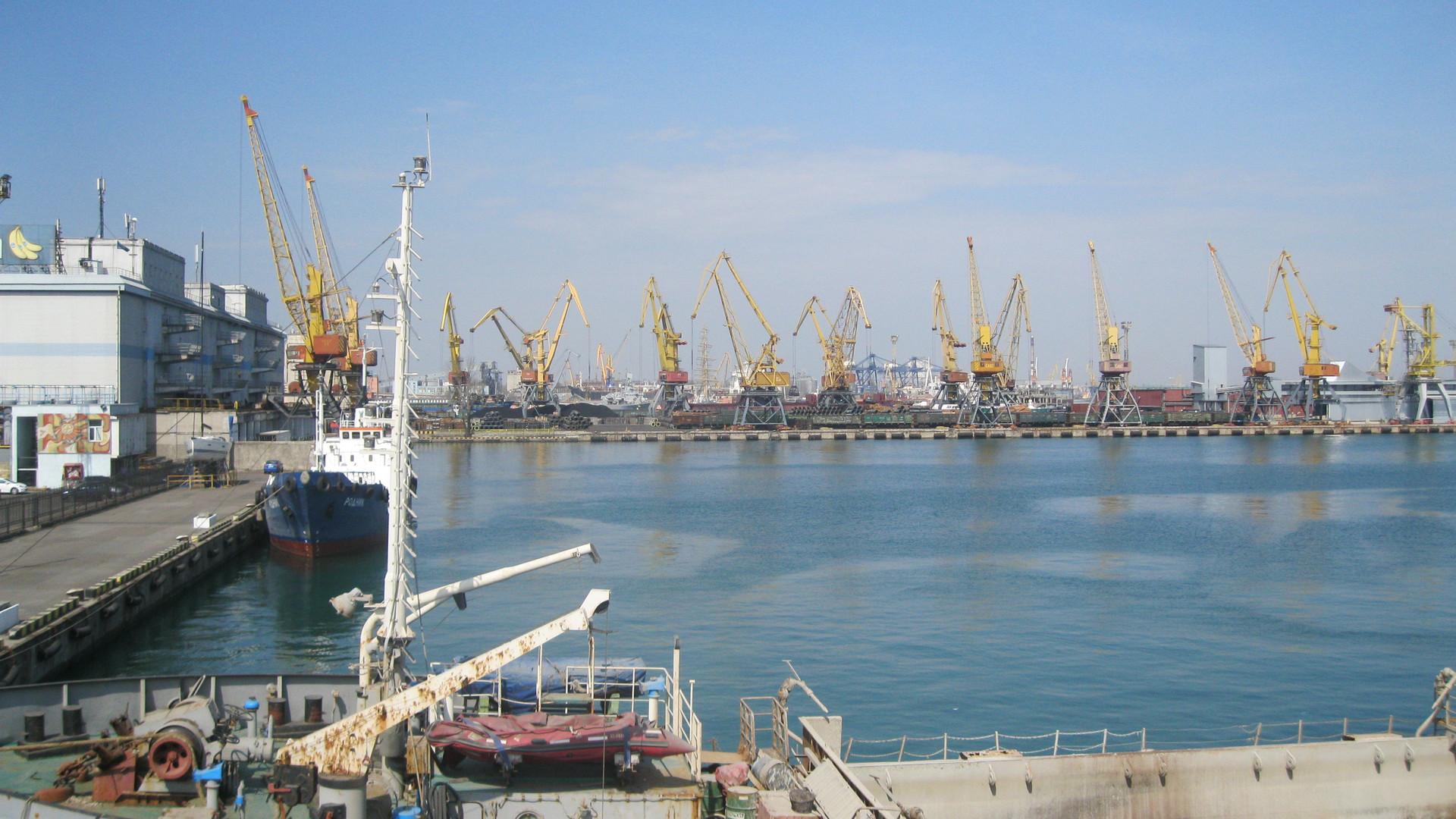
Ukraine's foreign minister said Friday that Kyiv had proposed a Black Sea truce covering farm cargo and merchant shipping and was waiting for Russia's answer.
Andrii Sybiha spoke to reporters at the fifth Food from Ukraine conference in Kyiv, meeting them on the sidelines. He said the urgent task was to open the sea again to merchant traffic and that Ukraine had submitted what he called realistic terms. "We are now awaiting a response from Russia. All our proposals have been submitted," Sybiha said. He added that Kyiv was prepared for a truce covering farm cargo.
Moscow, he said, keeps answering Ukrainian offers with what he called "unrealistic demands," and this time wanted oil shipments written into the same maritime bargain. Sybiha said oil could belong in a wider energy pause, but only if that pause covered every part of the energy fight, and that the Black Sea bid itself should stay focused on farm products.
Ukraine's agriculture ministry said the Kyiv conference was expected to yield about $80 million more for the Food from Ukraine effort and for World Food Programme work near the front. Sybiha told the hall, "When ships stop moving, the price of bread rises."
In a separate interview released the same day, Zelensky called it "strange" that President Donald Trump had shared a photograph from last week's meeting in China, where Trump appeared with Russian President Vladimir Putin under the caption "My Friend." "He's an aggressor, and a killer... He can't be a friend. Just cannot be," Zelensky said, speaking in English. He likened that posture to calling Adolf Hitler a friend during World War II. "When you try to be very neutral with the aggressor... it means you support victims and you support also aggressor. It's not right," he said.
Zelensky also said the United States had delayed Patriot interceptor deliveries while giving more attention to the Middle East, and that Ukraine faced a "very, very big" shortage of interceptors able to stop ballistic missiles. "It's a pity they made a focus on Middle East and they help them more… It's a pity. We have huge questions with this," he said.
Jared Kushner and Steve Witkoff, the White House envoys, remain central to the search for a settlement. In a podcast conversation released Wednesday, Kushner called Putin a "grand master of politics" and said Putin had shown "restraint" by not using nuclear weapons and had told U.S. officials that was not his intention. On Thursday, Trump wrote that during talks in China he had urged Putin to "pull back all Military aggression against territories throughout Europe" and added, "I really believe this is a strong possibility." Speaking later that day to reporters, Trump said, "We want to stop killing. I could say he's not a friend. I want to make a deal."
On the Kharkiv front, Oleh Synehubov, head of the regional military administration, said on Nov. 20 that an operation named Bear Trap had driven Russian troops from 14 settlements and close to 200 square kilometers. He credited the 475th Separate Assault Regiment, working under the Joint Forces Group, with disrupting a Russian effort to surround Ukrainian units.
Ukraine's General Staff said Thursday that Russian forces had lost more than 55,000 personnel in the first 25 days of November, a monthly high in the staff's own count and above an October figure of about 54,000. Moscow has issued no matching public figure for those losses.
The Energy Ministry said Friday that overnight strikes on substations and distribution lines had cut power to some customers in six regions, among them Kharkiv, Kherson, Sumy, Kirovohrad, Zaporizhzhia and Dnipropetrovsk. Time-limited blackouts were scheduled in most of the country, industry faced power caps, and emergency cuts were in force in the Dnipropetrovsk region. A day earlier, Kremlin spokesman Dmitry Peskov, answering a European Commission call for an energy ceasefire, said, "Russia does not owe anything to anyone. Russia must protect its national interests."
A September telephone survey from the pollster Kyiv International Institute of Sociology, covering about 1,000 adults in government-held territory, found 62 percent willing to keep bearing the war as long as it took and 79 percent expecting Ukraine to win. The sample left out occupied areas and people who left after February 2022. Russia had not answered Sybiha's farm-cargo offer by evening, Eastern time.
You Might Also Be Interested In
U.S. Forces Disable Sixth Ship Since Iran Blockade Resumed
Kim Jong Un Calls for Broader Use of Tactical Nuclear Weapons
Russian Drone Crosses Into Eastern Poland as Military Holds Fire