
Apple Sues OpenAI, Accusing It of Stealing Trade Secrets
The lawsuit names two former Apple employees now at OpenAI and alleges a coordinated pattern of theft.
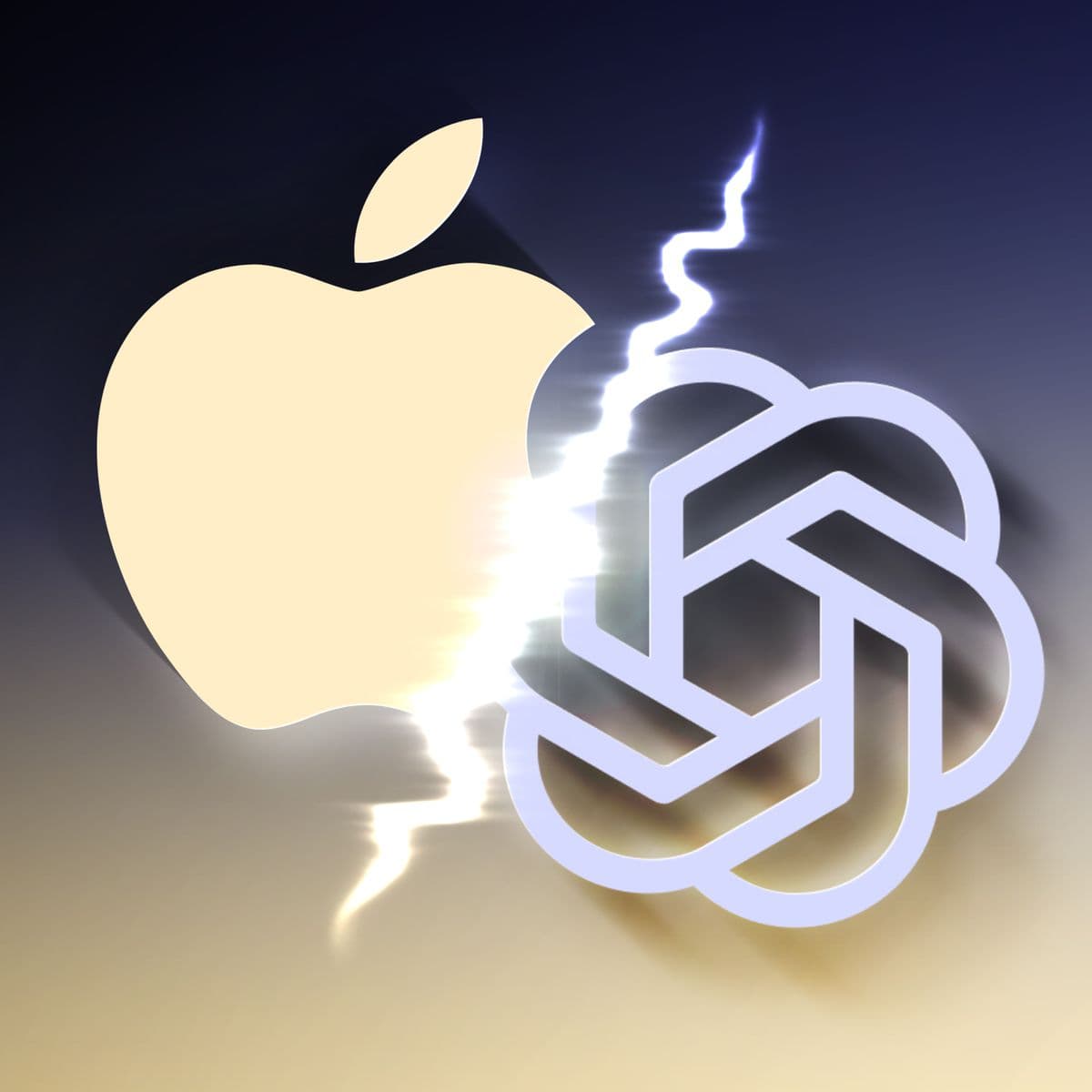
Apple launched a federal lawsuit Friday against OpenAI, accusing the artificial intelligence firm and two of its executives of misappropriating proprietary details about the iPhone maker's unreleased products, manufacturing processes and supply chain strategies in order to build OpenAI's own consumer hardware.
The civil complaint, lodged in U.S. District Court for the Northern District of California, lists as defendants OpenAI chief hardware officer Tang Yew Tan, a former Apple vice president who spent 24 years at the company helping design the iPhone, Apple Watch and iPod; Chang Liu, a former senior Apple electrical engineer who joined OpenAI earlier this year; and two OpenAI entities — the OpenAI Foundation and OpenAI Group PBC — along with io Products, the design startup OpenAI acquired last year.
"At every level, from members of its Technical Staff to its Chief Hardware Officer, and in coordination with business partners, OpenAI has been stealing Apple's trade secrets and confidential information," Apple said in the filing.
Apple alleged that Liu failed to return a company-issued laptop upon his departure and subsequently exploited an authentication vulnerability to reach Apple's internal network, downloading dozens of confidential hardware-related files. The complaint further alleged that Tan, before leaving Apple, emailed himself information about suppliers and internal industry summaries, and that he instructed Apple employees who were interviewing for positions at OpenAI to bring "actual parts" from Apple to those interviews for "show and tell" sessions.
"He has directed job candidates still working for Apple to bring 'actual parts' from Apple to their interviews for 'show and tell' sessions in which he and his team at OpenAI can elicit still more Apple confidential information," Apple said in the filing.
Apple said it contacted OpenAI in February to raise concerns that its confidential information was ending up at the company, but the outreach went unanswered. Apple said it subsequently uncovered what it characterized as a "pattern of theft."
"Recently, significant evidence has emerged suggesting individuals employed by OpenAI wrongfully took Apple's secret and confidential information regarding our unreleased technologies, processes, and products," an Apple spokesperson said.
The complaint also alleged that OpenAI coached departing Apple employees on ways to circumvent the company's security protocols and that it misled business partners — details drawn directly from the filing. Apple accused OpenAI of systematically misappropriating trade secrets to construct its hardware business.
OpenAI disputed the accusations. "We have no interest in other companies' trade secrets. We remain focused on building innovative technology that empowers people everywhere," spokesperson Drew Pusateri said.
The suit marks a dramatic turn in the relationship between the two companies, which forged a prominent alliance in 2024 when ChatGPT became embedded in Apple's operating system. More recently, Apple has moved toward using Google's Gemini AI models for certain features in its revamped Siri assistant.
OpenAI acquired io Products last year — a hardware startup co-founded by former Apple design chief Jony Ive — in a transaction valued at roughly $6.5 billion. Apple's filing noted that OpenAI's workforce now includes upward of 400 people who previously worked at Apple.
Apple is seeking monetary damages, injunctions barring OpenAI from using any misappropriated information, and a court order requiring the company to halt the alleged conduct. OpenAI said it was reviewing the complaint.
The litigation arrives as OpenAI braces for what is widely anticipated to be a major initial public offering. The AI company confidentially submitted its prospectus to regulators in June.
You Might Also Be Interested In

The Fed's Rate-Hike Whisper Just Got a Bond-Market Megaphone
$40 Trillion Later, Washington Still Hasn't Learned to Balance a Budget
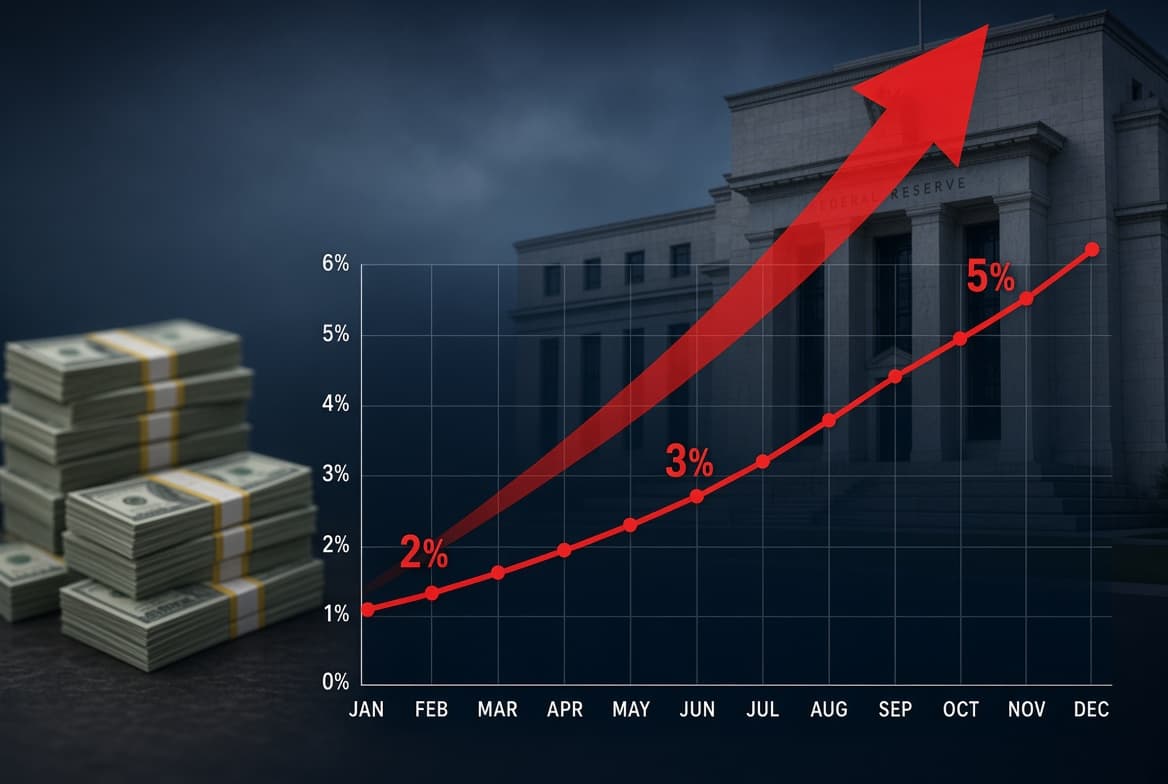
The FOMC Minutes Just Quietly Floated Rate Hikes. Nobody's Pricing That In.