

The Strait of Hormuz Is Quieter Than the Headlines Suggest — For Now
Tanker traffic through the world's most important oil chokepoint is declining and shipping is rerouting, a sign markets are pricing a manageable disruption rather than a full blockade — but the margin for error keeps shrinking.
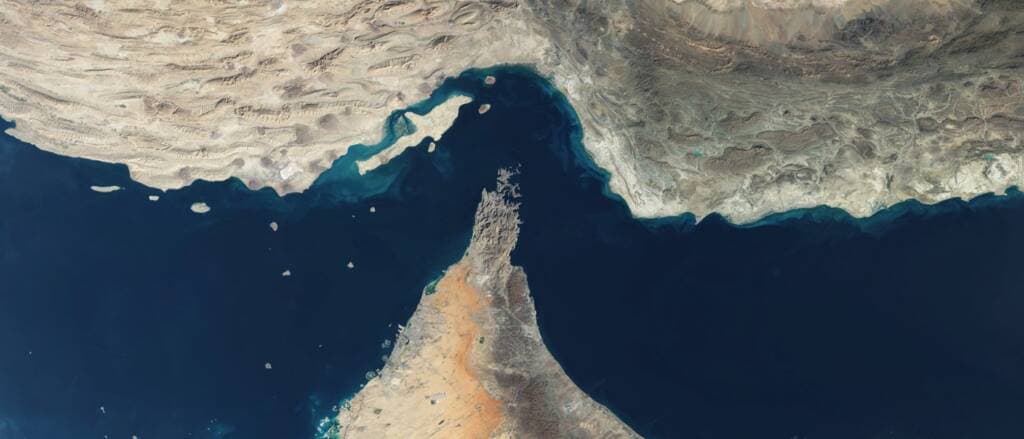
Amid this week's exchange of strikes between the United States and Iran, the most useful data isn't the rhetoric out of Washington or Tehran — it's the boring, granular shipping data. And that data has been telling a consistent story: tanker traffic through the Strait of Hormuz has been declining, while loadings along bypass routes that avoid the strait entirely have been picking back up. Oil markets, for their part, spent the back half of this week grinding lower even as the diplomatic temperature stayed hot, with crude settling back toward the low $70s a barrel.
That combination — real disruption to the primary route, but rerouting rather than a full stoppage — is precisely the scenario energy analysts have been describing for weeks as an “escalate-to-de-escalate” pattern. Iran has strong incentives to demonstrate it retains leverage over a chokepoint through which roughly a fifth of global oil consumption transits, without actually triggering the kind of sustained closure that would invite an overwhelming military response and alienate its own oil customers in Asia. The market's read, reflected in oil prices that have given back much of their initial spike, is that this pattern is likely to persist rather than break decisively in either direction.
That's the good news, such as it is. The less comforting news is what happens at the margins. The International Energy Agency has flagged a tightening global market for refined products — gasoline and diesel specifically — as refinery capacity in the Gulf and in Russia has been disrupted by the overlapping conflicts in the Middle East and Ukraine, even as demand stays firm heading into the back half of the year. Refined product markets can tighten even when crude supply looks adequate, because refining capacity itself is a bottleneck that doesn't expand quickly. That's the mechanism most likely to put upward pressure on pump prices for South Shore drivers this summer, independent of what happens to the price of crude itself.
There's also a bond market angle that deserves more attention than it's getting. Elevated geopolitical risk has been cited as one reason the Federal Reserve's rhetoric has leaned more hawkish than the underlying domestic data might otherwise justify — the logic being that a policymaker facing an energy shock wants more room to maneuver, not less. That translates into a Treasury market where long-term yields have stayed elevated even as day-to-day headlines oscillate between escalation and mediation. For Suffolk County homebuyers and refinancers, that's the channel that actually matters: not the price of oil directly, but the way persistent geopolitical risk premium feeds into the 10-year Treasury yield, which anchors 30-year mortgage rates.
Regional mediators — Qatari and other Gulf intermediaries — remain engaged, and technical talks between Washington and Tehran are reportedly continuing despite the strikes. That's consistent with a de-escalation eventually taking hold, but it's not a resolution, and intelligence reports of a fresh Iranian plot against President Trump underscore how quickly the calculus could shift. Markets are currently pricing a contained, manageable disruption. That pricing has been right for weeks. It won't necessarily be right forever, and the cost of being wrong is not evenly distributed — it shows up first and hardest at the gas pump and in the rate on your next mortgage application.
You Might Also Be Interested In

The Fed's Rate-Hike Whisper Just Got a Bond-Market Megaphone

$40 Trillion Later, Washington Still Hasn't Learned to Balance a Budget
The FOMC Minutes Just Quietly Floated Rate Hikes. Nobody's Pricing That In.