
Federal Deficit Hits $1.99 Trillion After a Month of Solid Hiring
October payrolls beat the prior year's monthly average, and federal outlays are still climbing faster than revenue as the Fed tries to bring inflation back to its 2 percent goal
The labor market handed Washington a respectable report card this month. Employers added 165,000 jobs in October, the Bureau of Labor Statistics said Nov. 6, well above the 48,000 monthly average of the prior 12 months, and unemployment stood at 4.1 percent. Revisions lifted August and September by a combined 84,000. Average hourly pay climbed 14 cents in October, to $38.00. Beneath that steady hiring sits a federal ledger moving in the wrong direction, and it complicates the Federal Reserve's job.
The Congressional Budget Office's year-end review, published Nov. 9, put the deficit for fiscal 2026 at $1.99 trillion, $217 billion more than the year before and the equivalent of 6.2 percent of the economy. That share is well above the 3.8 percent average of the past 50 years, and the gap came in $140 billion wider than CBO itself projected in February. Receipts grew 3 percent to $5.4 trillion, while outlays climbed 6 percent to $7.4 trillion, with the largest increases in the biggest mandatory programs, net interest and military spending. Interest on the public debt alone reached $1.14 trillion, up 11 percent, and debt held by the public hit 100 percent of gross domestic product, the highest share since 1946.
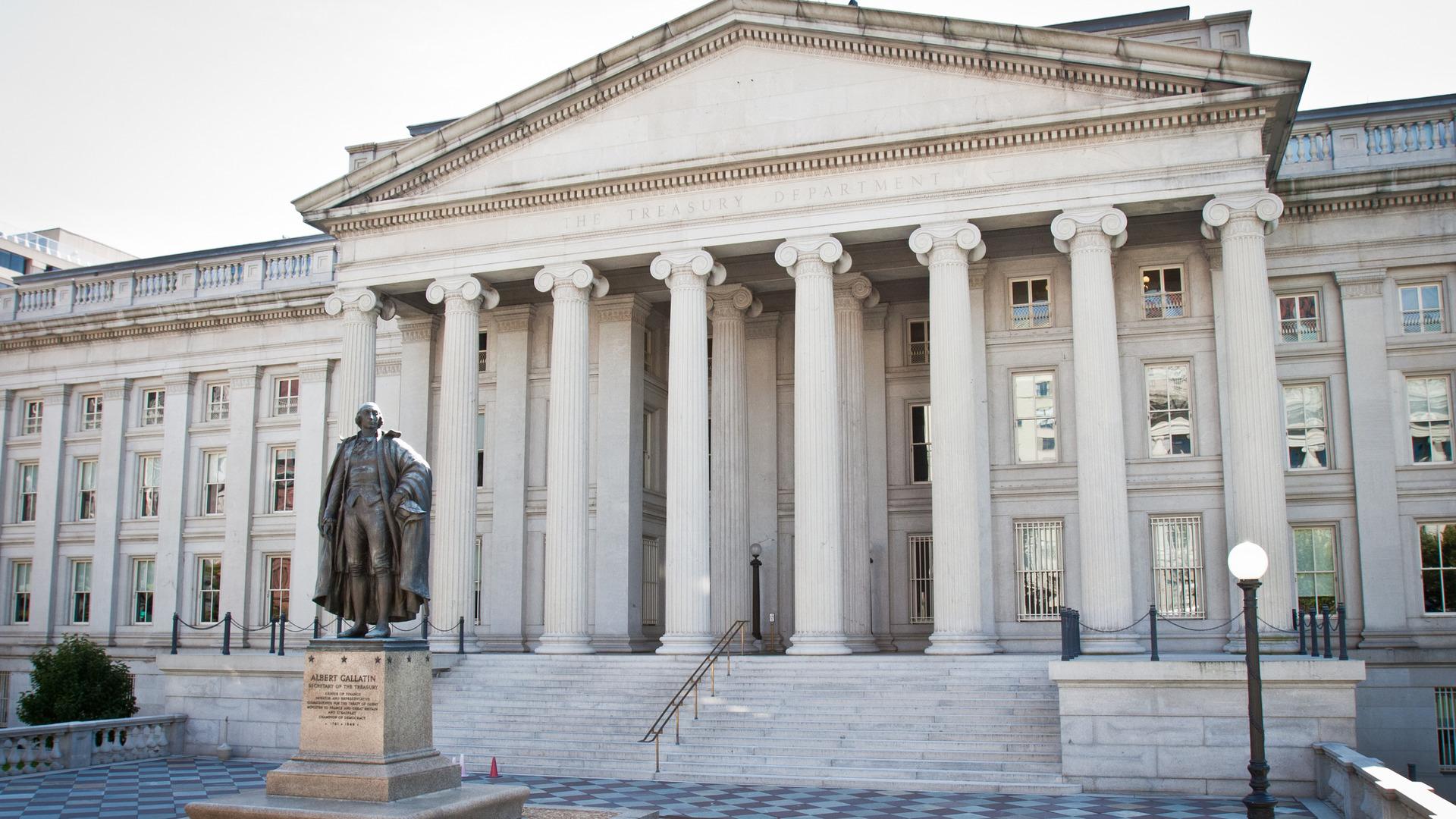
The new fiscal year opened worse. The Treasury's monthly statement for October, released Nov. 12, showed outlays of $773 billion against receipts of $369 billion, a $404 billion shortfall compared with $284 billion a year earlier. Some October payments went out early because Nov. 1 fell on a Sunday, yet CBO found that the same calendar quirk hit October 2025, and that without it spending would have risen $95 billion from a year ago. Net interest for the month came to $103 billion. Customs receipts dropped to $19 billion from $31 billion after the Supreme Court's February tariff ruling.
That borrowing lands on an economy already running warm. Consumer prices rose 0.4 percent in October after 0.6 percent in September, BLS said Nov. 10, and prices outside food and energy have climbed 0.3 percent in each of the last three months. The Fed raised its benchmark rate a quarter point in September, to a range of 3.75 to 4 percent, then paused on Oct. 28 over the objections of two officials who wanted another increase. Its statement was blunt: "Inflation remains elevated."
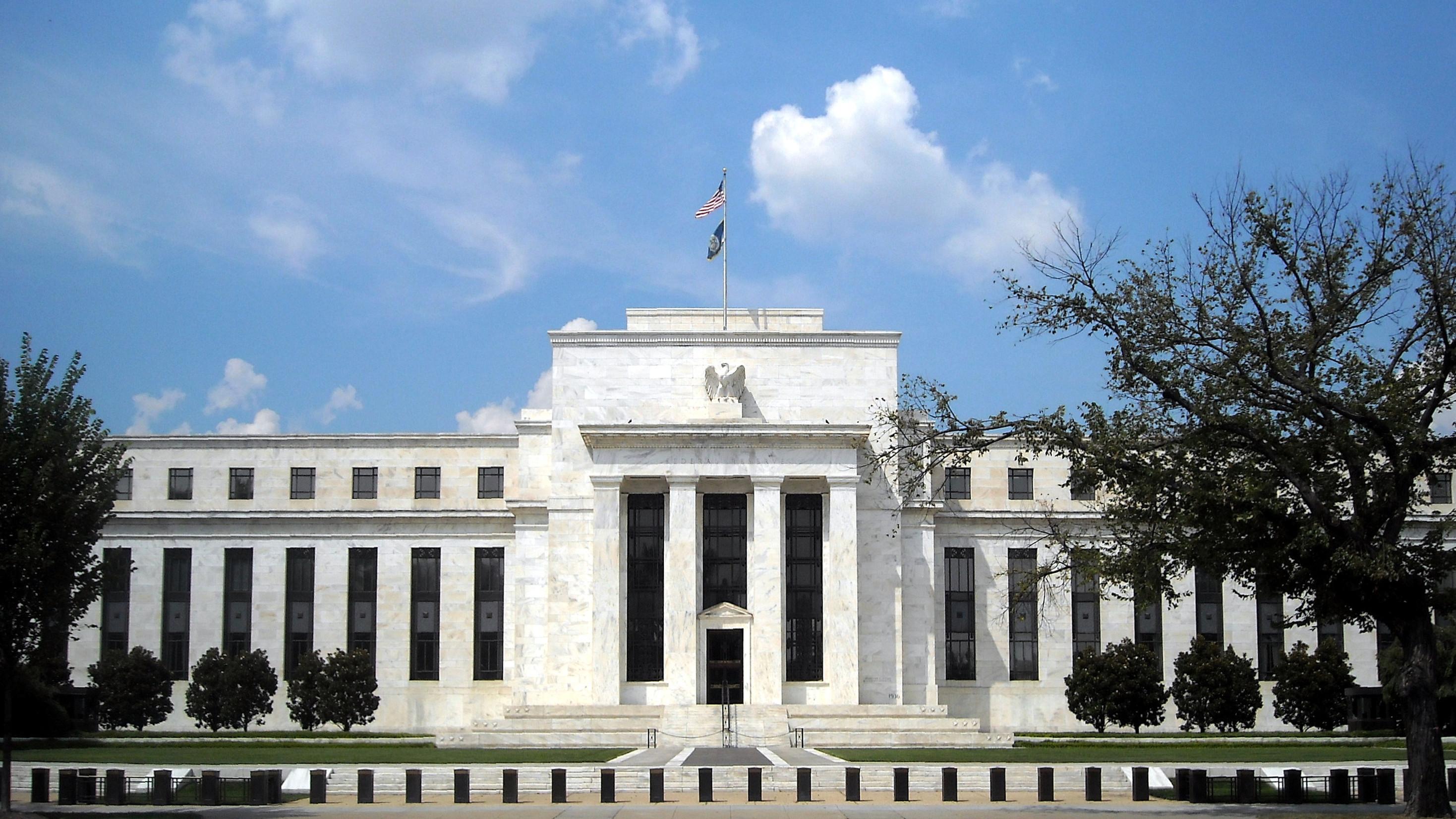
Monetary and fiscal policy are pulling against each other. A central bank trying to cool demand by making credit dearer works uphill when the Treasury is borrowing close to $2 trillion a year and pushing that money back into the economy. Chair Kevin Warsh said after the October meeting that "Interest rates get in the cracks," meaning higher borrowing costs eventually reach every corner of the economy. For Long Island families, those cracks show up in mortgage quotes and car loans.
Private investment adds to the heat. Warsh noted that "Capital expenditures are at a historically high share of GDP," with high-tech investment in the lead. Corporate money for that investment at least builds productive capacity that can pay for itself. Federal deficits spent on rising benefits and interest leave nothing comparable behind, and they keep the Fed leaning harder on households than it otherwise would.
Deficits draw partisan fire, though the growth in mandatory spending that drives much of these totals has accumulated under both parties. Strong payrolls ease short-term worries without changing the arithmetic CBO and the Treasury published this month.
The Fed meets again Dec. 8 and 9, and its next move will turn partly on whether inflation keeps running hot. Congress controls the larger lever, since a government that posts a $404 billion shortfall in a single month while asking the central bank to tame prices is asking monetary policy to carry a load that belongs to fiscal policy, and households across Long Island will keep paying for that mismatch in higher borrowing costs until lawmakers rein in the spending.
You Might Also Be Interested In
Washington Inches Toward a Seat on the AI Cap Table
SpaceX Catches Starship Upper Stage in Texas Return
Microsoft's Thursday-to-Saturday Outage Shows How Much Business Now Rides on a Few Cloud Platforms