
Washington Inches Toward a Seat on the AI Cap Table
Proposals for federal ownership of frontier AI firms have moved from law journals to the White House and the Senate, and after Nvidia's chief executive resigned, the Treasury secretary pressed the board on the search for a successor.
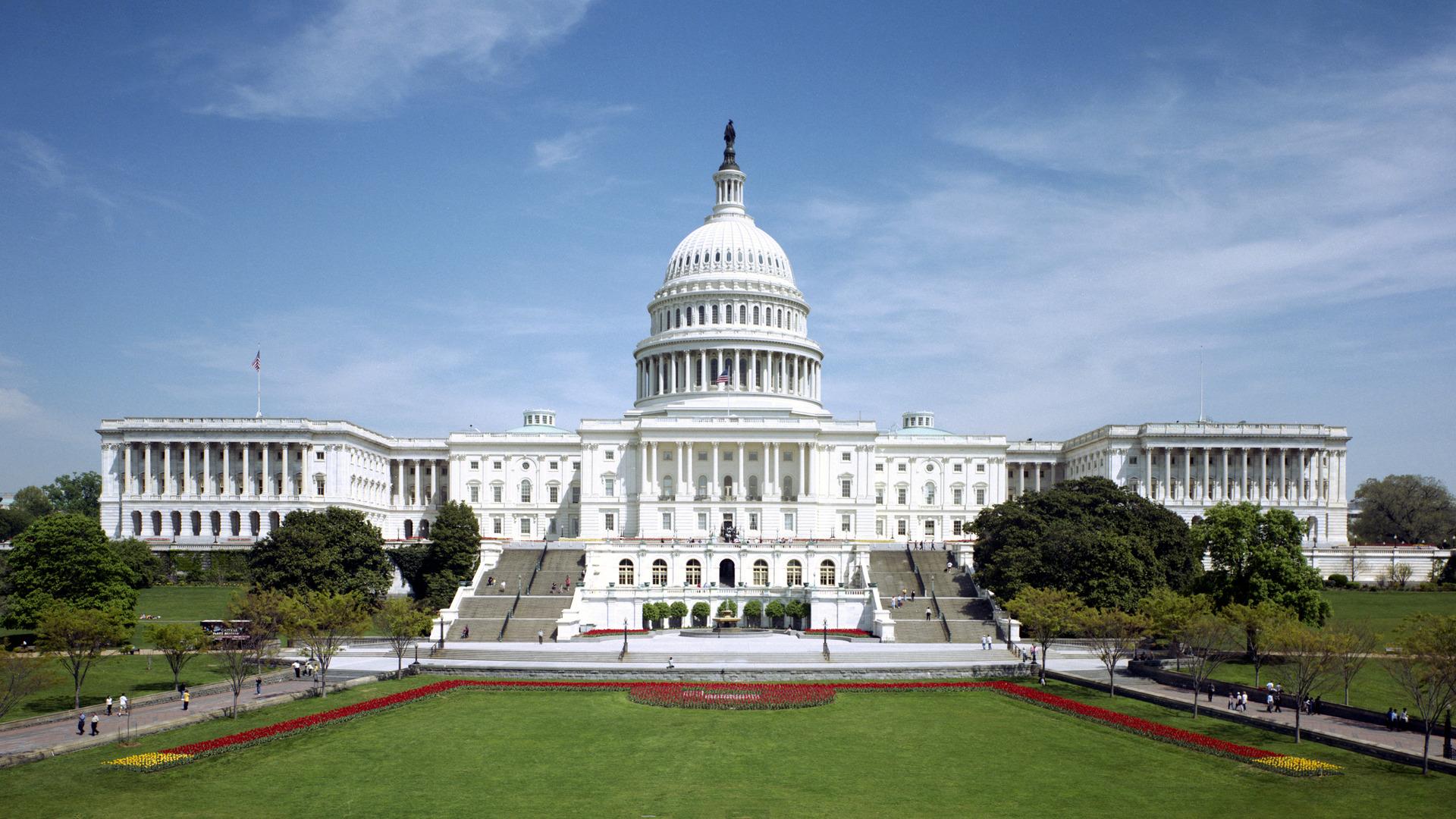
For years the federal conversation about artificial intelligence stayed mostly inside the familiar lane of regulation, from safety testing to export limits on advanced chips. Public ownership has since entered it, floated by the president and written into a Senate bill, while law professors draft blueprints for how much control Washington should hold over frontier labs. This month's turmoil at Nvidia shows how fast that debate can stop being theoretical.
Nvidia's board said on Nov. 8 that it had opened an independent investigation "in light of recent reporting" that founder Jensen Huang "has been the target of a foreign intelligence effort," while stating it had "no reason to believe that either national security or NVIDIA secrets were compromised." Three days later the board accepted Huang's resignation. Chief financial officer Colette Kress became interim chief executive, and the board named Harvey C. Jones its first chair and began a search that includes outside candidates.
Treasury Secretary Scott Bessent then went further than cabinet officers usually go with a private company. In a television interview Sunday he said, "I want to keep coming back to what was the culture at Nvidia, and were they pressing these seemingly illicit sales to goose their revenues and their earnings?" He said the board and its outside counsel owed answers within 10 days and urged directors to look beyond the company for the next chief executive. Nvidia reports quarterly results Tuesday.
Washington has announced no Nvidia stake, so the episode measures the sway officials already have without one. It arrives as ownership proposals pile up. Aboard Air Force One on June 5, President Trump said of the idea of giving Americans shares in AI firms, "There's something very interesting about it where it almost becomes a partnership with the American public." On June 18, Sen. Bernie Sanders introduced a bill that would levy a one-time tax equal to half the stock of the largest AI companies, to be held in a fund whose commissioners would vote those shares.
The one live precedent cuts the other way. When Washington took 9.9 percent of Intel in August 2025, converting $8.9 billion in promised grants into 433.3 million shares at $20.47 each, the company said the stake would be passive, with no board seat and no governance or information rights, and that the government would generally vote alongside the board.
Law professors Yonathan Arbel of Alabama and Peter Salib of Houston, writing with Simon Goldstein of the University of Hong Kong, posted a 64-page paper on the subject in August. In an essay this month on whether the United States should nationalize AI, they concluded, "The answer is almost always no." They would give Washington only a narrow power, limited in time and reviewable in court, to pause training or deployment of a system posing catastrophic risk. Felix Wu, a former seasonal fellow at GovAI, points out that OpenAI and Anthropic are Delaware corporations whose directors owe duties to stockholders, a poor fit for a government owner pursuing policy goals.
For savers on Long Island, the exposure runs through 401(k) plans and index funds that hold Nvidia and its peers. A federal claim on how those firms are run, or on whether a model ships, adds a risk that earnings reports cannot capture, because the trigger would be political.
Federal ownership of frontier AI remains a proposal with no agreement made public, and the scholars who have mapped the options argue against most versions of it. Nvidia reports quarterly results Tuesday, and Bessent has told the board he wants answers within 10 days. Voters in the coming cycle can judge any ownership plan against the Intel precedent of a passive stake and against how much control they are prepared to hand a future administration.
You Might Also Be Interested In
Federal Deficit Hits $1.99 Trillion After a Month of Solid Hiring
SpaceX Catches Starship Upper Stage in Texas Return
Microsoft's Thursday-to-Saturday Outage Shows How Much Business Now Rides on a Few Cloud Platforms