

Bond Market Lifts Long Rates Ahead of the Fed, and Long Island Borrowers Pay
The 10-year Treasury yield ended the week near 5.15% after a soft 30-year auction and hot inflation data, with home sales already at their slowest since 2010.
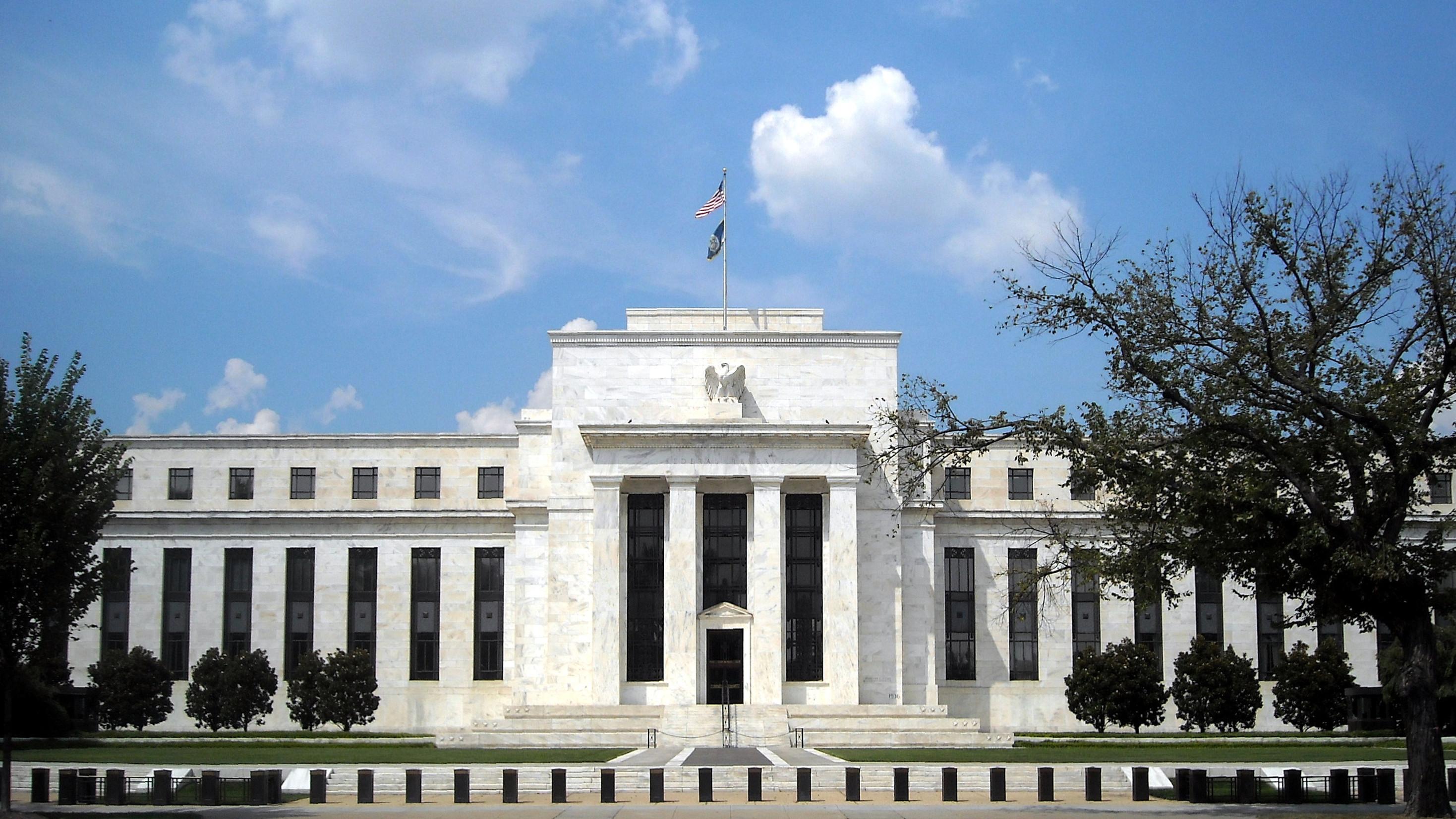
The bond market raised borrowing costs this week faster than the Federal Reserve could. The 10-year Treasury note's yield finished Friday at about 5.15%, roughly three-tenths of a percentage point higher than where it started the week, and that benchmark is the one lenders watch when they price 30-year mortgages. The 10-year now sits about a full percentage point above its level a year ago, and the 30-year bond ended Friday near 5.47%.
The selloff had help from a weak sale of long-term debt. On Thursday the Treasury auctioned $25 billion of 30-year bonds at 5.441%, a shade above the 5.437% the same bonds had been trading at just before the sale. Traders call that gap a tail. It means investors needed a little extra yield before they would take the full amount. Bids totaled 2.36 times the bonds on offer, and primary dealers ended up holding about 11.4% of the issue. Dealers take what other bidders pass up, so a larger dealer share points to softer demand. Indirect bidders, a group that includes foreign central banks, took about 68.1%, down from 72.3% at the previous sale of 30-year bonds.
The bigger push came from Tuesday's consumer price report. The Labor Department said consumer prices climbed 0.4% in October. Core prices, which leave out food and energy, climbed 0.3% for a third month running, a tenth of a point more than economists had expected.
That core figure carried extra weight because of a speech given hours earlier. Fed Governor Christopher Waller told an audience in London that if core inflation came in at 0.3% or higher, "a stronger policy move may be needed," and that a half-point increase should be weighed at the Dec. 8-9 meeting. "Hiking only 25 basis points would put our credibility at risk," he said. After the report, traders priced a half-point move at roughly 15%, while a quarter-point move is widely treated as a given.
For homebuyers the numbers arrive on top of a market that was already stalling. The National Association of Realtors said Thursday that resales of existing homes slid 5.5% in October, putting the seasonally adjusted yearly pace at 3.75 million, the weakest since August 2010. Sales were 8.8% below a year earlier. In the Northeast, which includes Long Island, sales held level from September but trailed October 2025 by 4.1%. The national median of $416,700 was 0.4% higher than a year before, the 40th straight month of annual gains, and the Northeast median reached $519,600, up 3.2%. The group counted 1.59 million homes on the market, up 4.6% from October 2025 and equal to 5.1 months of sales at the current pace. Buyers purchasing their first home made up 29% of deals, down from 32% a year earlier.
Lawrence Yun, the group's chief economist, put the blame on financing costs. "Home buying is difficult when mortgage rates have climbed to their highest levels since 2000, aside from a single month in 2023," he said.
Freddie Mac's weekly survey, also released Thursday, showed the typical 30-year fixed mortgage rate averaging 7.11%, down from 7.18% a week earlier and the fourth straight weekly decline. A year ago the same average was 6.24%. Shorter 15-year loans averaged 6.45% this week. That survey was published before Friday's close, so it does not capture the full jump in the 10-year this week.
The gap from last year is easy to put in household terms. On a $500,000 loan, a 30-year mortgage at 6.24% carries a principal and interest payment of about $3,075 a month. At 7.11% the payment is about $3,364, close to $290 more every month and roughly $3,500 more over a year.
Long Island buyers shopping for a loan this weekend will be quoted rates set by that bond market as much as by the Fed. Even after this week's climb, the 10-year yield remains below the 52-week high of about 5.31% it reached on Oct. 5.
You Might Also Be Interested In
Applied Materials Sees Chip-Tool Spending Up 30% in 2027, With Cleanroom Space the Limit
Bessent Presses Fed to Hold Off on Hikes, Calling War-Driven Inflation an Energy Shock

After Huang, Nvidia Has to Rebuild the Authority One Founder Held