
Applied Materials Sees Chip-Tool Spending Up 30% in 2027, With Cleanroom Space the Limit
The equipment maker posted a record quarter and said the supply of factory floor space will decide how much of its gear customers can install.
Applied Materials expects global spending on chipmaking equipment to climb more than 30% in 2027. Its executives said Thursday that the hardest limit on that growth will be the amount of cleanroom space chip plants can bring online.
The company sells the tools that semiconductor factories use to process silicon wafers. On its quarterly call with analysts, Chief Executive Gary Dickerson said 2027 should be another record year for both the equipment market and Applied.
The latest results back him up. Revenue for the fiscal fourth quarter came to $10.4 billion, up 53% from the same period a year earlier, and adjusted profit rose 92% to $4.16 a share. Adjusted gross margin widened to 50.6%, 2.5 points above a year earlier and the 14th straight quarter of year-over-year improvement. The division that sells chipmaking systems brought in $8 billion. Service and spare parts added a record $1.9 billion. Across fiscal 2026, sales grew about 21% to $34.4 billion. Applied returned $2.4 billion to shareholders in the quarter, $2 billion of it in stock buybacks, its biggest quarterly repurchase in more than eight years.
For the current quarter the company forecast about $11.1 billion in revenue, give or take $500 million, and adjusted earnings near $4.35 a share. The period has 14 weeks, one more than usual, which lifts service revenue. Brice Hill, the chief financial officer, said the outlook would be slightly higher if every part the company needs were available, though he played down the effect. Applied's shares fell in Friday trading despite the record quarter.
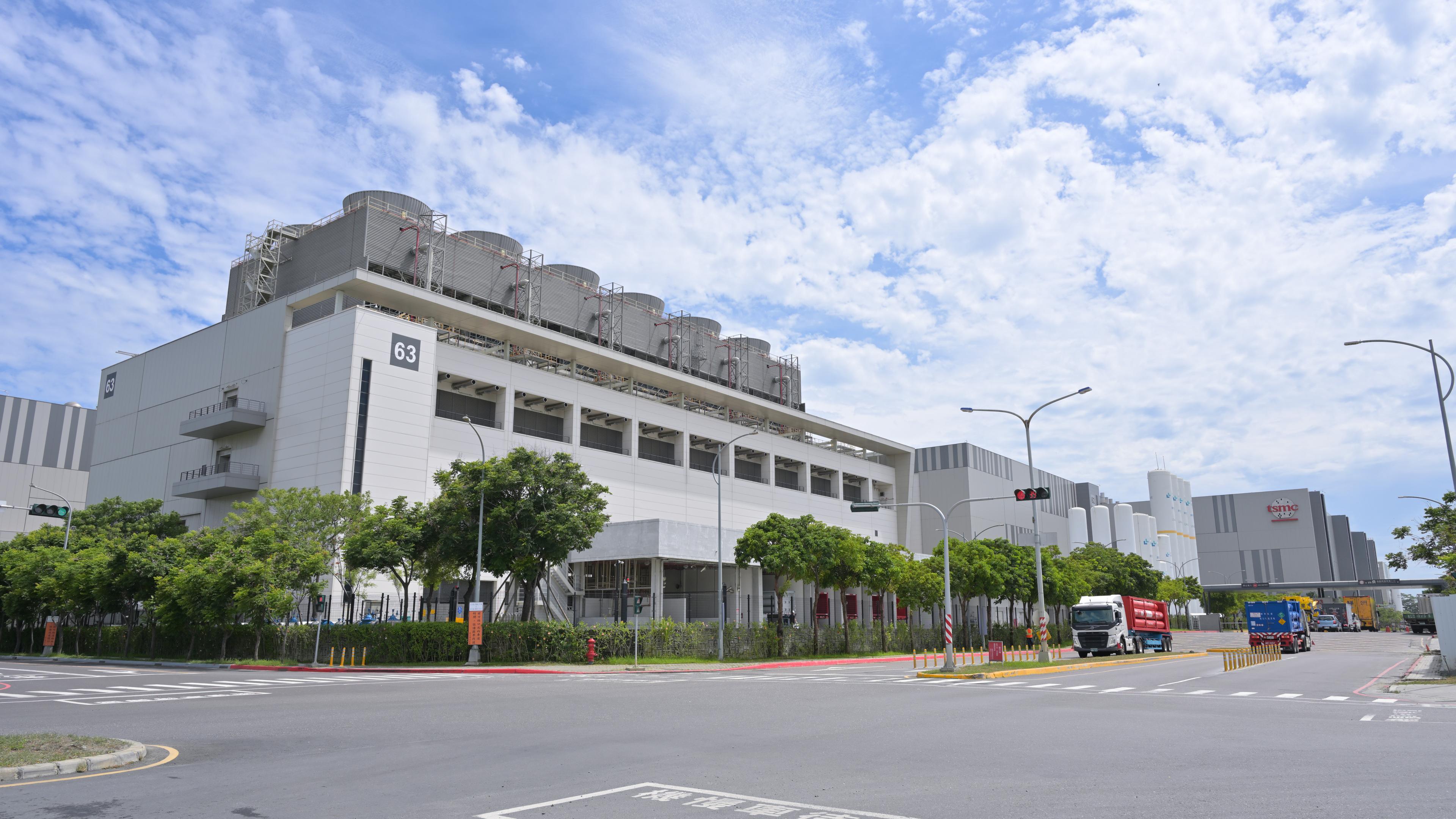
The question of physical space ran through the call. Hill said factories making leading-edge logic chips and DRAM memory are running at full capacity. Over the medium term, he said, cleanroom availability will govern how much new equipment the industry can take in. Cleanrooms are the sealed, filtered halls where wafers are processed. Applied is following more than 20 new fabs and line expansions due to ramp up in 2027 alone, he said.
Dickerson said customers are pressing for earlier shipments. "Nobody is saying that they're not wanting the tools as fast as we can get them," he said when an analyst asked whether any orders were being pushed back. The biggest buyers now hand Applied forecasts that roll eight quarters ahead and place their orders sooner, he said.
The company is spending to keep pace. By 2028 it wants the ability to produce twice as many systems as it did in the fourth quarter of 2026, and by 2030 it aims to more than double the size of its factories and labs. Hill described those plans as readiness for a range of demand scenarios and said Applied expects to raise output every quarter as its suppliers add capacity.
Dickerson tied the outlook to artificial intelligence. Roughly 60% of what it costs to build an AI data center goes to silicon, he said, and more than 85% of that silicon falls in three categories: advanced packaging, DRAM and leading-edge foundry logic. He expects those categories to grow faster than any other part of the equipment market next year. Executives said spending in China should keep rising, though more slowly than in AI-driven markets, and could slip below 25% of Applied's business in 2027.
Asked what would happen if data center construction slowed, Hill said demand for DRAM and leading-edge logic already outruns supply. He added that supply is also tight for chips that go into PCs, smartphones and smart TVs. On the company's account, consumer electronics wait in the same line for factory output as the data center builders do.
Trade figures from Taiwan point the same way. On Monday, the island's Ministry of Finance said October exports hit a record $96.76 billion, up 58.9% on the year. Integrated-circuit exports rose 63% to $31.17 billion, the ministry said, and machinery shipments grew 35.5%, helped by sales of chipmaking equipment as manufacturers expanded capacity.
You Might Also Be Interested In

Bond Market Lifts Long Rates Ahead of the Fed, and Long Island Borrowers Pay

Bessent Presses Fed to Hold Off on Hikes, Calling War-Driven Inflation an Energy Shock

After Huang, Nvidia Has to Rebuild the Authority One Founder Held