Gas Pipeline Companies Are Betting on Data-Center Demand
Closed purchases and 20-year processing contracts already show the money moving into the basins
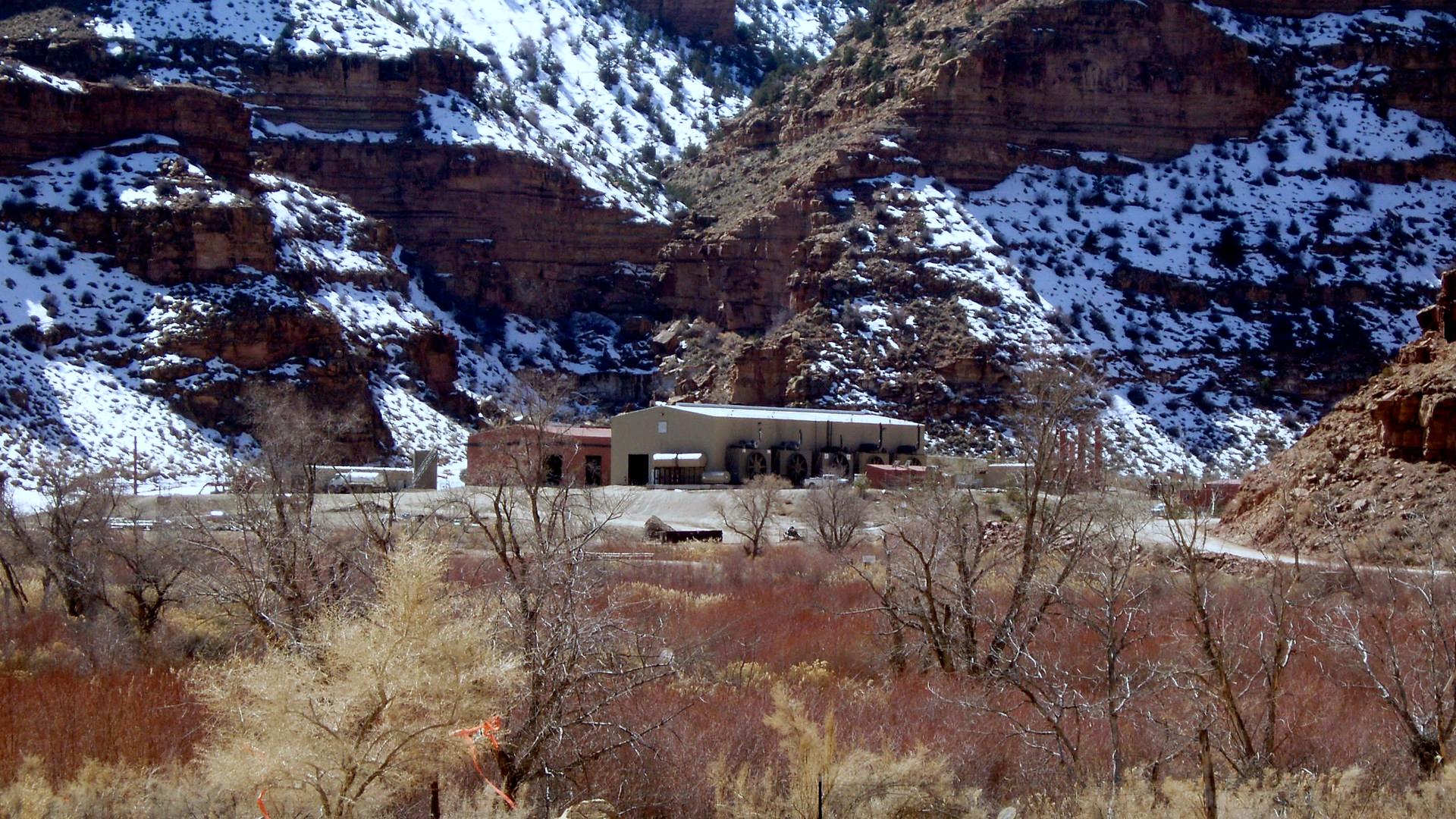
Gas pipeline companies that gather and process natural gas in West Texas are pouring billions into new plants and buying assets in the same basins, a bet that America's data-center boom will keep calling for gas-fired power.
Targa Resources, already one of the largest gatherers in the Permian Basin, signed 20-year fee contracts in August with ExxonMobil affiliates to take gas from the wellhead, process it and provide downstream service on both the Delaware and Midland sides of the play. To handle that volume, Targa is adding three Delaware plants, Wrangler, Ranger and Ranger II, aimed at the first half of 2028, plus a new residue line to the Waha hub. The company raised its 2026 growth budget to about $5 billion. In early November it said Permian volumes at the inlet had hit a record in the third quarter and that a new Delaware plant had begun coming online. It also ordered equipment for still more plants and another fractionator at Mont Belvieu, Texas, due in early 2029.
Kinetik Holdings concentrates its gathering and processing in the Delaware Basin, the Permian's western section, with more than 4,300 miles of pipe across eight complexes, and in the third quarter it processed a record volume of gas, with fourth-quarter volumes tracking higher. It has enlarged a planned Kings Landing plant and approved an expansion of a line that moves surplus gas from the northern part of its system to the south. The federal energy outlook has the Permian as the country's second-largest regional gas supply, behind Appalachia, and growing this year as wells yield more gas per barrel of oil. Kinetik has been weighing a sale since September, and no deal has been announced.
Coverage of the AI boom still focuses on chipmakers and cloud providers, yet the buildout runs on electricity. In the United States, natural gas remains the largest single fuel for power, close to 40 percent of generation this year and next. Wind and solar are adding most of the new supply, and the gas share is holding near that level. For data centers, gas is already the biggest source, more than 40 percent of the power they use, and official projections have it furnishing the largest increment of additional supply through 2030. A campus that has to stay up around the clock needs firm power on a schedule. Renewables are growing fast, and large technology companies have bought output from reactors slated to restart later this decade, including a Pennsylvania plant under a long-term contract with Microsoft that was planned to return in 2028. Those nuclear projects will not arrive in time to cover the demand already being signed. Gas plants can be added on a shorter timetable, which is why midstream operators that hold gathering and processing systems near the big basins have become more valuable.
Purchases that closed this year already place the same bet in other basins and along the power-plant chain. Williams finished a $5.5 billion purchase of Momentum Midstream on Sept. 3, adding a Haynesville gathering system, and ONEOK bought Midland Basin gathering and processing assets on Oct. 6. Williams is also building gas-fired plants aimed at the data-center market, including facilities in New Albany, Ohio, and in July sold a minority stake in five of those power projects while keeping control.
New York produces little gas of its own, so downstate utilities, including National Grid on Long Island, take supply from interstate pipelines that draw mainly on the Appalachian Marcellus and Utica fields and on Gulf Coast production, with additional volumes arriving from the north. Long Island households pay National Grid for gas heat, and the island's electric service is a separate bill. When power plants and new data-center load bid for gas in the same national market that fills winter heating contracts, the commodity balance can tighten, and those costs can work into heating bills with a lag. No line of pipe has to run from West Texas to Nassau County for that pressure to appear.
The buildout is already underway in the new processing plants, the closed purchases and the gas-fired generation aimed at data campuses. Anyone tracking the AI boom only through chip earnings will meet the physical limits late. Those limits will appear first in the pipe, the processing plants and the turbines that keep the servers running.
You Might Also Be Interested In
Nvidia Is Said to Halt Server Shipments to Four Asian Markets After a New License Rule
Tariff Refunds Lifted Margins at Kohl's and Best Buy

Wall Street's Bounce Does Not Erase Last Week's Message