Wall Street's Bounce Does Not Erase Last Week's Message
A strategist calls much of the rally forced buying, and a top Fed official warns the AI buildout is pushing up prices.
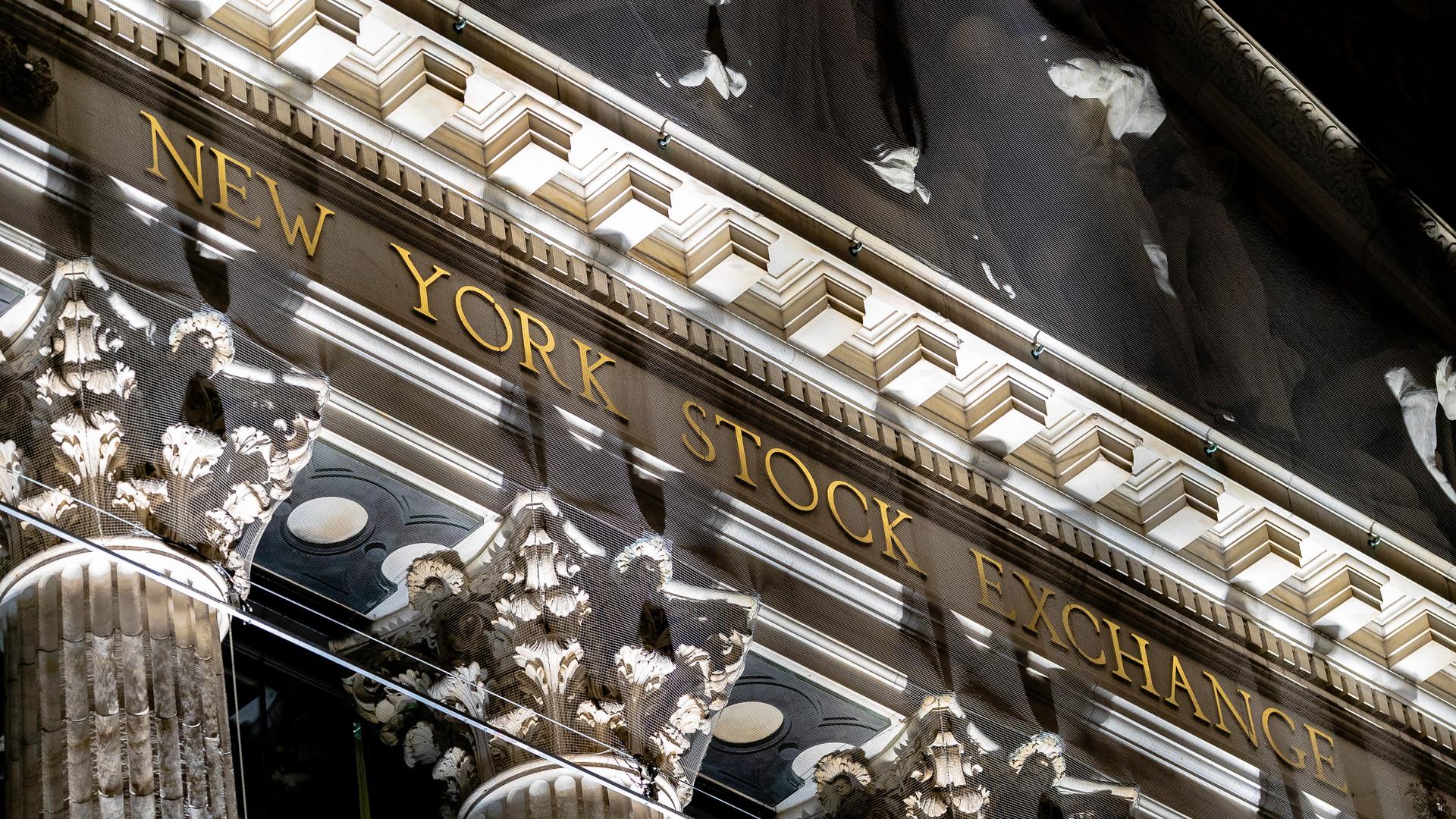
The S&P 500 gained nearly 5 percent and the Nasdaq Composite more than 6 percent on Monday, their best session since April 2025, after Nvidia put Jensen Huang back in the chief executive's job. The S&P won back about half of the prior week's loss.
Before the rebound, the S&P 500 had fallen seven sessions in a row, and both indexes posted their sharpest weekly declines since at least that same month. The rebound lifted the Nasdaq back above its close at the end of 2025, though both indexes stayed below their October peaks. The Dow gained about 3 percent on the day.
Nvidia jumped after its board brought Huang back, a step President Donald Trump had publicly urged, and the chip and memory shares that had led the decline rose with it. The move followed a leadership announcement with no new earnings report from the company, and it showed how much of the market's swing still rides on a small group of AI-related firms.
Charlie McElligott, a cross-asset strategist at Nomura, described much of the session as "a massive surge of MECHANICAL buying," as short sellers were forced out of bets against stocks and options dealers unwound their hedges. Mike Wilson of Morgan Stanley, writing after the prior week's close, called that finish an "overshoot of fair value" and said the retreat had given "a clearer capitulation signal." Forced buying can lift the same stocks fast in a single session without any fresh reading of what companies will spend to build and run AI systems.
Chip shares in Taiwan and South Korea, home to major makers of advanced semiconductors, fell sharply last week. Taiwan Semiconductor's shares in Taipei dropped hard over the week, and Samsung and SK Hynix also took steep weekly losses. In an Asian session that closed before most of the U.S. rally, Taiwan Semiconductor rose modestly on the day while the two Korean memory makers fell further.
Asia caught up on Tuesday, led by chipmakers, as Japan's benchmark index rose about 4 percent on its return from a holiday and South Korea's Kospi climbed about 6 percent. Taiwan Semiconductor jumped 10 percent, the most Taipei allows in a day, and Samsung and SK Hynix each gained about 7 percent. That is a second day of buying in the same handful of AI suppliers, again on the strength of one executive's return.
Hendi Susanto, a portfolio manager at Gabelli Funds, said Huang's return "restores and rebuilds confidence in the AI ecosystem: its major suppliers, its core building blocks, and its demand outlook." The 10-year Treasury yield, meanwhile, ended slightly higher Monday, snapping five straight sessions of declines, and bond prices gave the stock bounce no lift of their own.
The bond market had reason for caution, because John Williams, president of the Federal Reserve Bank of New York, said in remarks the same day that inflation is "simply too high" and running well above the Fed's 2 percent goal. He counted demand from the AI buildout among the forces pushing prices up and said the goods it depends on, semiconductors and chips in particular, have become sharply more expensive. "We must take actions over time that will ensure that we get inflation back to our 2 percent goal in a timely manner and on a sustained basis," Williams said. He added that a slower AI buildout could undo much of that price pressure, which makes the spending stock investors cheered a source of the inflation the Fed is trying to beat.
A rally driven by positioning and a single leadership announcement leaves open the doubts behind last week's slide. Those doubts concern whether corporate spending on AI data centers will keep rising at the pace investors had built into prices, and a session of forced buying offered no new evidence either way. "It's naïve to believe that a one-day 'Up Shock' absolves the market of underlying concerns surrounding the multiple spinning plates," McElligott wrote.
You Might Also Be Interested In
Nvidia Restores Jensen Huang to the Financing Web He Built
A Pile of Problems Has Landed on Wall Street Since Election Day
Medicaid under One Big Beautiful Bill: What's Changing?