Nvidia Is Said to Halt Server Shipments to Four Asian Markets After a New License Rule
Washington's license rule has turned regional data-center finance into a bet on export policy
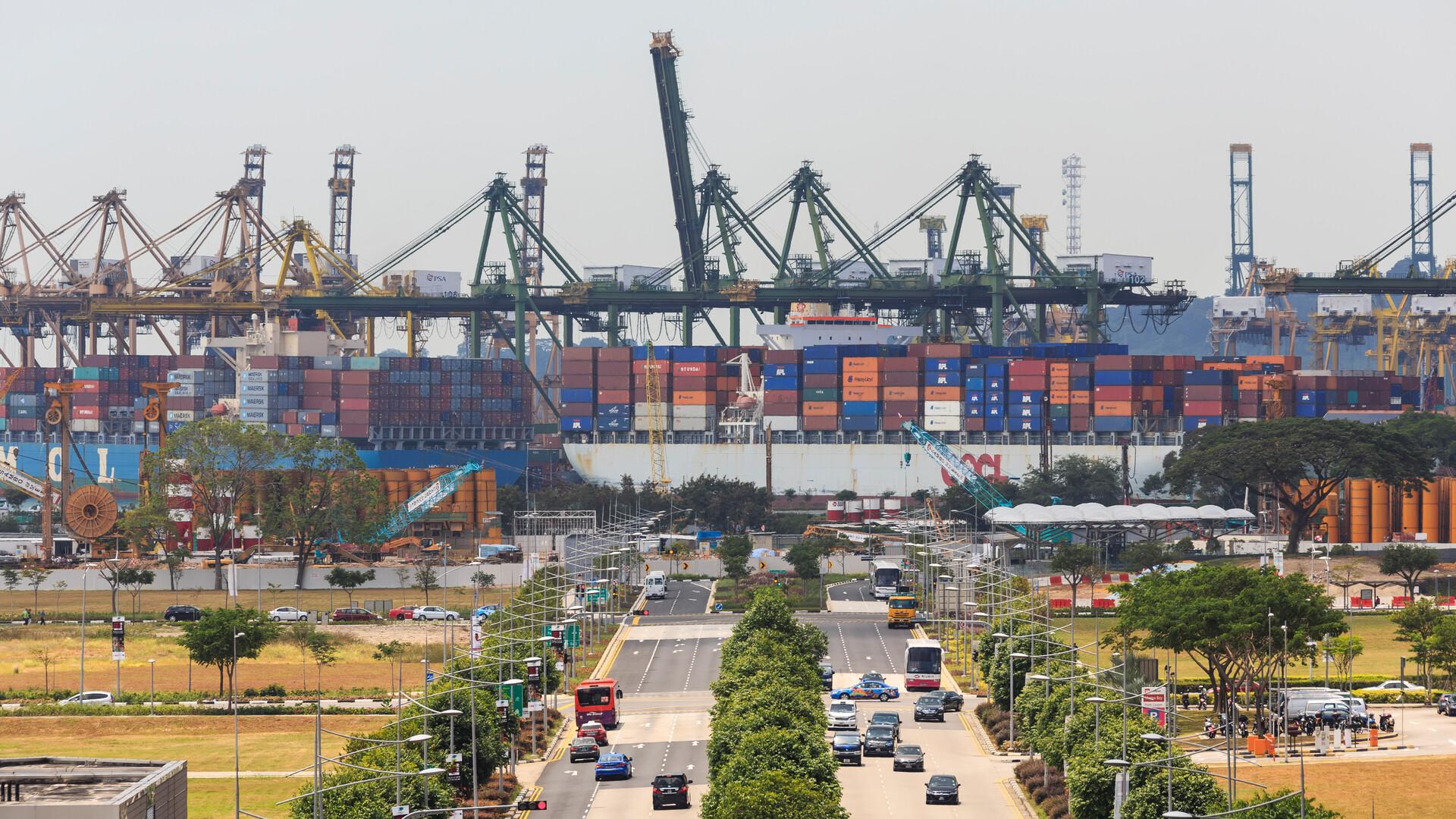
A license from Washington now sits inside the financing of Southeast Asian data centers. Lenders writing those deals now have to underwrite whether the tenants can still use the chips.
This week, reports said, Nvidia told the companies that assemble its servers, Dell and Super Micro among them, to halt shipments bound for Thailand, Indonesia, Singapore and Malaysia. How long the pause will last has not been made public, and Nvidia, Dell and Super Micro have not confirmed the instruction. The move followed a Commerce Department rule, effective Nov. 19, that requires a license to send advanced chips to those four countries and to Brazil, which the department flagged for the chance those chips could be diverted. The limits stay with the hardware after it is installed, including when the chips are moved or when the computing capacity is rented to a new customer.
Data centers that were already running a large volume of computing work for companies in China, Macau or other listed destinations must get a license by mid-February to keep that work going. The measure aims to stop Chinese firms from tapping, at a distance, chips they can no longer buy directly, by routing the work through data centers in other countries. The clock on that existing work has already started, and missing that deadline would leave those facilities short of a lawful way to keep serving those customers.
Bridge Data Centres, a company backed by Bain Capital, raised $2.8 billion from banks in March 2025 to expand its campuses, including in Malaysia. Those Malaysian facilities opened in October 2022, with ByteDance as the first major tenant. A loan written against campuses of that kind now turns on whether those tenants can still use American chips, a license question that was not at the center of the deal when the money was raised. If those customers cannot clear the new test, the hardware those campuses were built around becomes harder to put to the use the loan assumed.
Advanced AI chips are being treated as dual-use goods, and the department is shutting the paths Chinese companies used to reach chips they cannot buy directly, either by moving the hardware through nearby markets or by renting the computing those chips produce overseas. A loan to a project in Malaysia or Singapore now has to survive a test that barely registered a month ago: whether the borrower's customers will still be allowed to use the hardware.
If an overseas data center refuses to identify its customers, or cannot produce the records that would show the rule is being followed, a seller who completes the deal anyway is treated as having known the risk. A credit officer now has to underwrite that customer identity before a loan against those chips can be treated as sound.
Colette Kress, then serving as interim chief executive, told investors that the Commerce Department had just issued new export limits, and she still forecast a strong quarter, citing demand that remained ahead of what Nvidia could ship. The company's outlook for the quarter now under way includes no China sales in its data-center compute business.
Cargo already at sea when the rule took effect, and moving under an order already placed, may still complete the voyage under the old terms for a short period. Other shipments into the four markets need a license unless they are bound for a company based in the United States, or a firm whose parent is based there, with a report filed each month. Officials will decide each application on its own facts. The rule is already in force, even as the department takes comments through mid-January, so the legal terms that sit behind a multi-year loan can still change after the papers are signed.
A lender financing a data center, in Asia or in the United States, has to ask whether the customers who were supposed to pay for the chips will still be allowed to use them if the rules tighten again before the debt is repaid. If that pause holds, unshipped servers bound for the four Southeast Asian markets will sit until Nvidia and its partners can show the shipments comply. The financing of the next building in the region will carry an export-policy premium until the licensing process starts clearing the projects that can still go forward.
You Might Also Be Interested In

Tariff Refunds Lifted Margins at Kohl's and Best Buy

Wall Street's Bounce Does Not Erase Last Week's Message
Nvidia Restores Jensen Huang to the Financing Web He Built