

Google Locks Up 890 Megawatts of Nuclear Power to Feed AI Demand
A 20-year deal with Constellation adds 890 megawatts of uprated nuclear capacity on PJM. Constellation puts more than $4.3 billion into the upgrades.
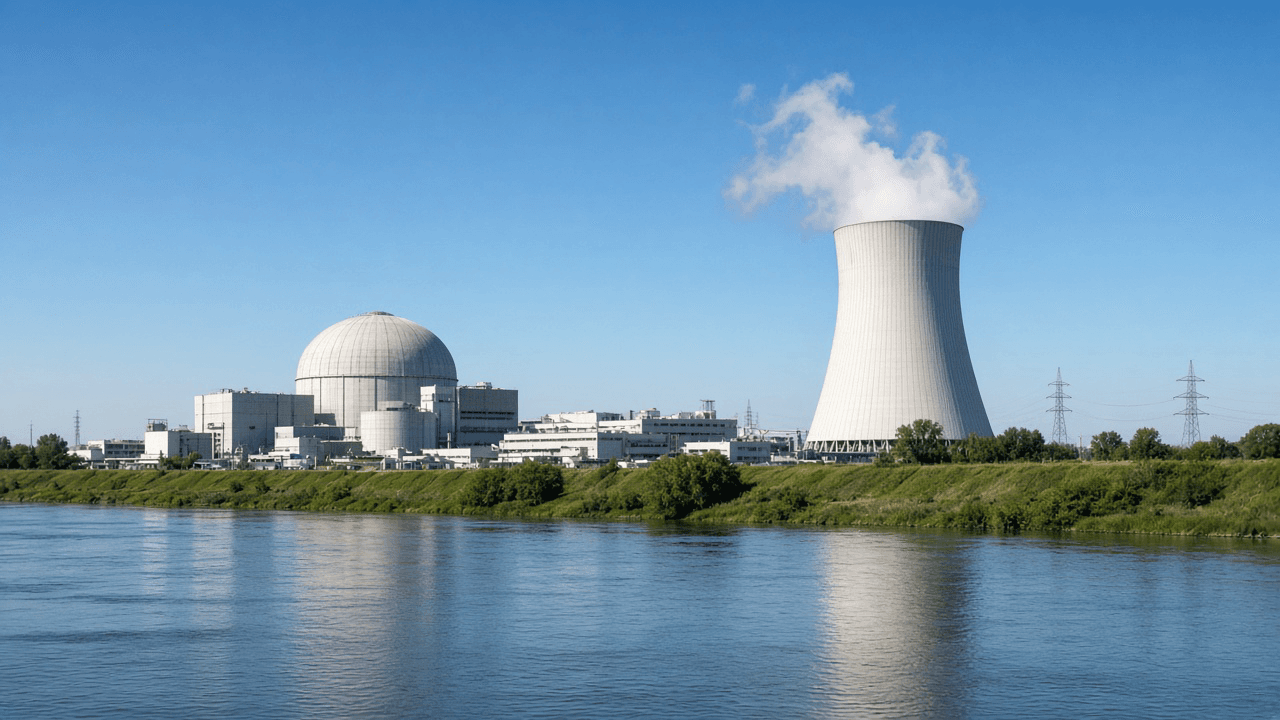
Google and Constellation Energy said Tuesday, Oct. 6, that they have struck a long-term power deal to put 890 megawatts of new nuclear capacity onto the PJM Interconnection grid by upgrading existing reactors, not by waiting for new plants to be built from scratch.
The companies described a 20-year power purchase agreement that underwrites equipment and technology upgrades at 11 Constellation-owned nuclear units in Illinois, Pennsylvania and New Jersey. Constellation said the work represents more than $4.3 billion of new investment by the utility, sustains roughly 4,400 existing jobs, and creates about 7,200 construction jobs during the build. The first added capacity is expected in 2028. Separately, the companies entered a 15-year energy supply agreement for another 2,700 megawatts from Constellation's PJM fleet.
Google's global head of data center energy, Amanda Peterson Corio, said the company is backing the uprates to meet data-center growth while adding capacity that serves the broader grid. Constellation Chairman and CEO Joe Dominguez cast the structure as a model for how technology companies and power producers can expand supply with private capital. The companies said the arrangement answers PJM's "Bring Your Own Power" approach and aligns with a White House ratepayer-protection pledge aimed at keeping new large-load growth from shifting costs onto residential customers.
The deal reflects a physical constraint on the AI buildout. Chips can be ordered in months. Firm megawatts still take years of permitting, interconnection and construction. Paying to squeeze more output from reactors that already exist is a way to buy time. Google said the Constellation agreement brings the total new nuclear capacity it has enabled in the United States through uprates and restarts to more than 1.5 gigawatts.
For ratepayers, the question is who funds the next kilowatt. The bill for AI is no longer only a chip order. It is showing up as nuclear uprate dollars, and eventually in the politics of the electric bill.
For Long Island consumers, it is worth understanding that PJM shares costs across it's network, so data center builds in PA impact NY electricity bills. The good news is that our local elected officials continue to block the construction of data centers in NY and Long Island, so we get none of the revenue sharing from the data center companies, but will continue to absorb the increased electricity costs.
You Might Also Be Interested In

Giunta's Meat Farms Completes Purchase of King Kullen

Credit-Score Fee Cuts Run Into a Bond Market Pushing Mortgage Costs Higher

The 10-Year Treasury Just Hit Its Highest Close Since 2002