

Musk Says SpaceX and Tesla Committees Are Weighing a Merger as SpaceX Revenue Jumps 161%
SpaceX's AI computing business outsold Starlink for the first time; AT&T beat forecasts a day later, but its shares fell as SpaceX repeated plans to become a U.S. mobile carrier.
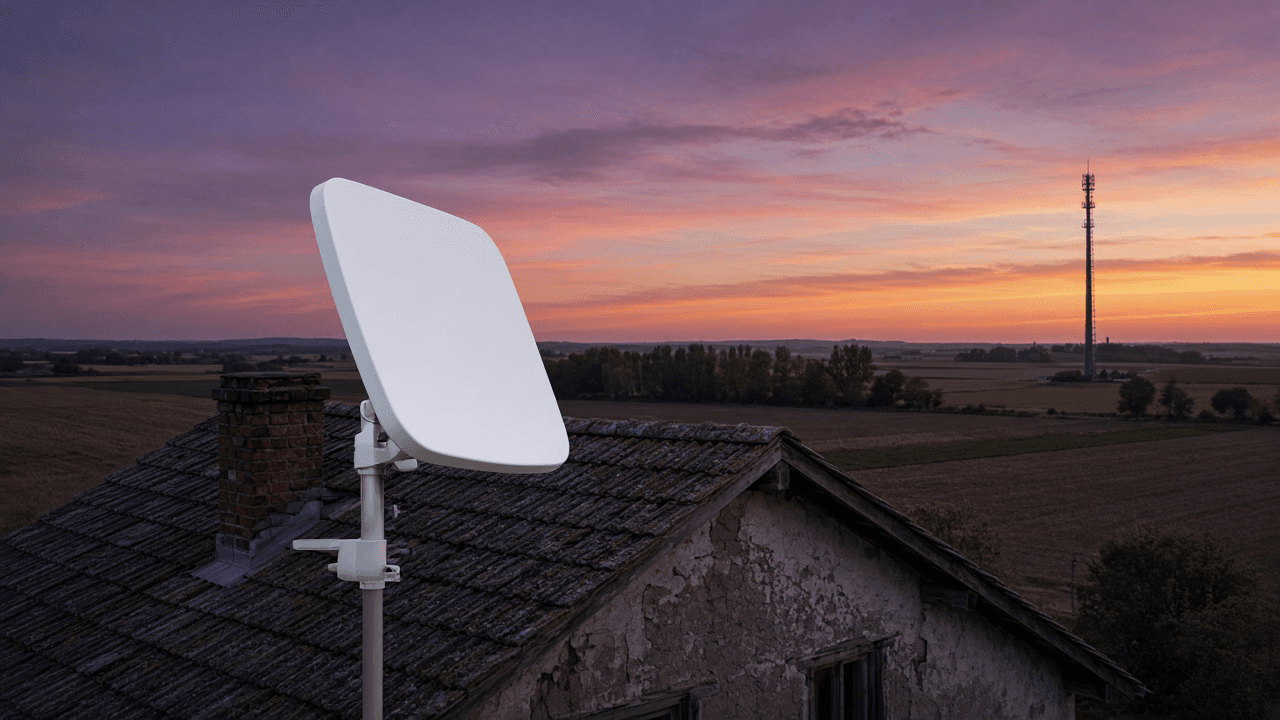
Elon Musk said Tuesday that special committees of independent directors at SpaceX and Tesla are discussing a possible merger of the two companies, and SpaceX shares rose about 8% in extended trading after the company posted quarterly revenue that more than doubled from a year earlier.
Musk, chief executive of both companies, made the disclosure on SpaceX's third-quarter earnings call in answer to an analyst's question. He said the committees were formed at the request of shareholders and that, as a conflicted party, he cannot take part in their discussions.
"I think some people out there assume that a SpaceX and Tesla merger is a certainty. And I think that would be overstating it," Musk said. He said he thinks a combination would be a good idea but that Tesla would need the support of a majority of all outstanding shares, not just those voting, which he called "quite a high hurdle." He said the committees had not agreed on the terms of any transaction and that there was no guarantee they would.
SpaceX had revenue of $14.6 billion for the quarter ended Sept. 30, up 161% from $5.6 billion a year earlier. Net income was $4.4 billion, compared with a loss of $1.1 billion. Adjusted earnings before interest, taxes, depreciation and amortization rose to $8.8 billion from $2.2 billion.
Most of the growth came from what the company calls its Super Intelligence segment, which rents data-center computing capacity to artificial intelligence developers and sells its own AI software. That segment's revenue rose to $7.56 billion from $813 million a year earlier, more than the Starlink connectivity business brought in for the first time. Connectivity revenue rose 69% to $5.25 billion. The launch business, which SpaceX reports as its Space segment, had revenue of $1.77 billion and a small operating loss.
The buildout is expensive. SpaceX spent $19.6 billion on capital projects in the quarter, nearly three times the $6.9 billion of a year earlier, and $16.4 billion of that went to the AI segment. The company said it had 1.7 gigawatts of computing capacity in place at the end of September and expects 2.5 to 3 gigawatts by the end of the year. Musk told analysts he would be surprised if the company brought on less than 13 gigawatts of computing next year.
The call also moved telecom stocks. SpaceX repeated its plan to turn Starlink into a major U.S. mobile carrier, saying it intends to integrate newly purchased spectrum and turn on that service in early 2028. Musk said the company sees "a clear path to several hundred billion dollars a year in connectivity revenue."
AT&T released its own results Wednesday morning and beat analyst forecasts. AT&T Chief Executive John Stankey played down the SpaceX threat on his company's call. "I wouldn't over rotate on what I would call one carrier of low band spectrum," he said, noting that AT&T runs six to eight carriers of low-band spectrum in a typical metro area, including on indoor systems in high-rises, hospitals and stadiums. He said 40% to 45% of traffic in a city such as Chicago starts inside buildings.
Stankey did not dismiss satellites. He said low-earth-orbit constellations "are fantastic for delivering bandwidth to rural areas" and may be the most efficient way to reach less densely populated places.
Any SpaceX-Tesla deal would need approval from the committees and then from shareholders of both companies. Musk did not say when the committees might finish their work.
You Might Also Be Interested In
New Mexico Judge Orders Meta to Pay $25 Billion Over Facebook Privacy Claims
CoreWeave's Falling Stock Shows Where the AI Buildout's Financing Gets Expensive
Washington Eased Up on Russian Energy. Oil Rose Anyway.