

Muslim Group Sues Islip, Saying Town Reversed Itself on Bay Shore School Dorms Amid Anti-Muslim Opposition
The United American Muslim Association asks a state judge to restore a January ruling that let students board at a former Catholic seminary
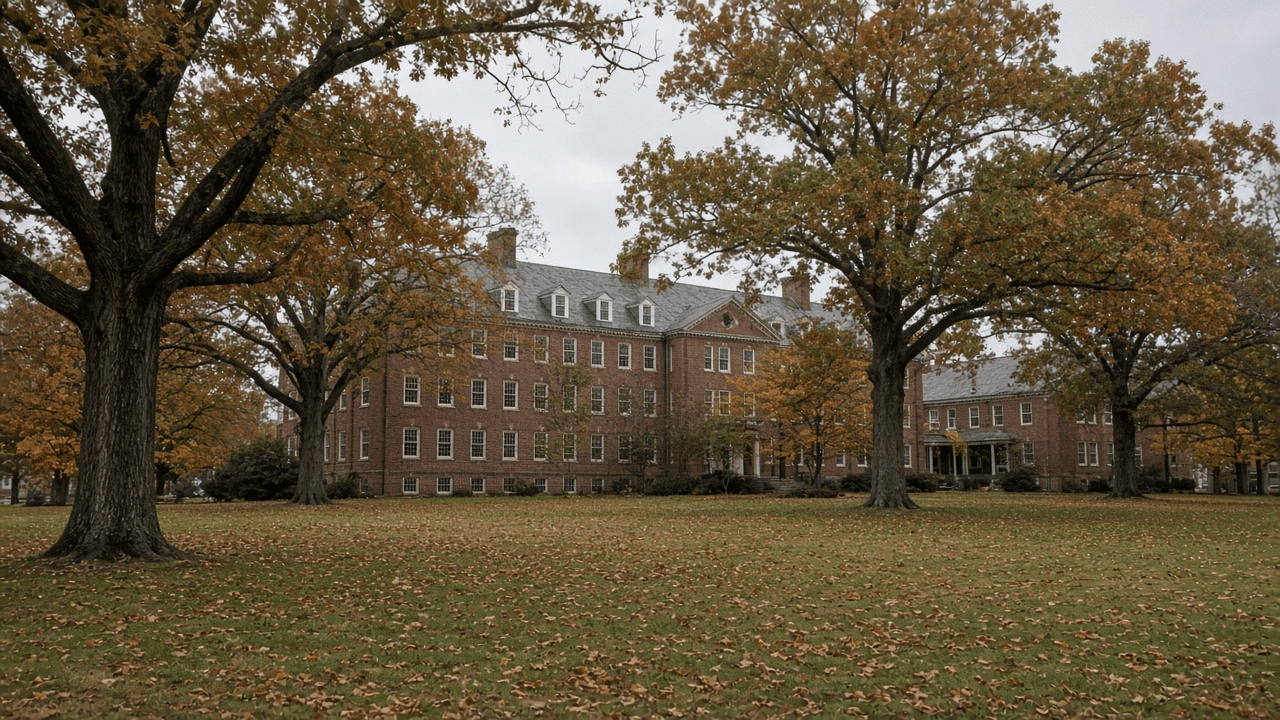
A Muslim nonprofit that plans to open an Islamic boarding school at a former Catholic seminary in Bay Shore sued the Town of Islip on Thursday, asking a state judge to overturn a zoning ruling that bars students from living on the campus.
The United American Muslim Association filed the petition in State Supreme Court in Suffolk County against the town's Zoning Board of Appeals. The board voted 3-1 on Sept. 22 that the group's planned Bay Shore Academy may operate at 26 South Saxon Avenue as a school but may not house students overnight.
The association wants to run an all-boys school combining academic classes with Islamic education for 120 students in grades seven through 12, with about 20 faculty and staff members living on the property. The board's ruling would let it open only as a day school.
The site has a long history as a residential religious school. The Montfort Missionaries ran a seminary and boarding school there from 1926 until 1972. The property later served as the order's headquarters and as a residence for aging priests, and its boarding facilities remain in place.
The petition says the town's plans examiner determined on Jan. 21 that the proposed parochial school was a permitted use under the zoning code and that boarding qualified as an allowable accessory use. The association says it confirmed that in writing before buying the property in June and relied on it.
In May, two Bay Shore residents appealed the examiner's determination, arguing that boarding was not a permitted accessory use and would require additional zoning approvals. After a public hearing in July that drew more than 600 people, the board agreed with them.
The board acknowledged that an Islamic school is permitted at the site but found that the residential part of the plan did not meet the town's requirements for an accessory use. It raised concerns about the scale of the student housing, the possibility of people with no direct tie to the school staying there, and promotional materials that described other activities, including day care and outside events.
The lawsuit argues that the board disregarded the property's past use, misread the zoning code and ignored evidence of another boarding school in the town. It says the board relied on promotional materials describing activities the association had expressly left out of its proposal.
The petition also says anti-Muslim comments were made at the July hearing, and it argues that religious institutions are entitled to equal treatment under the law. The association's lawyers said the reversal came "amid a deluge of anti-Muslim opposition."
"For nearly fifty years, students lived, learned and prayed on this property. UAMA seeks to open those doors again," said Muhammad Faridi, a lawyer at Linklaters who represents the association. "The faith of the students may change; the law's protection must remain constant. The anti-Muslim sentiment expressed at the hearing has no place in zoning matters."
The association asks the court to annul the board's September decision and reinstate the examiner's January determination. Letting the ruling stand, the filing says, would force the group to seek discretionary approvals that could delay the school's opening by months. "The ZBA Decision must not be permitted to stand," the petition says. It also seeks costs.
The association, which has served Long Island since 1993, operates three locations in the region, its lawyers said.
A town spokesperson said Islip had no comment on the lawsuit.
The challenge was brought under Article 78 of New York's civil practice law, which allows people to ask a court to review whether a government body acted arbitrarily or outside the law.
You Might Also Be Interested In

Suffolk Joins 'Operation Safe Stop' as Police Promise Zero Tolerance for Drivers Who Pass Stopped School Buses

Hammering History at the Manor of St. George

Suffolk Leads State in High-Paid Government Workers