

Two Men, Two Acts of Government Defiance
Justin Eassa and Stephen Ruth took bold action over causes they deeply believed in, becoming accused lawbreakers in the process. Ruth, who spent years battling Suffolk County’s red-light camera program, says Eassa must hold fast to his principles.
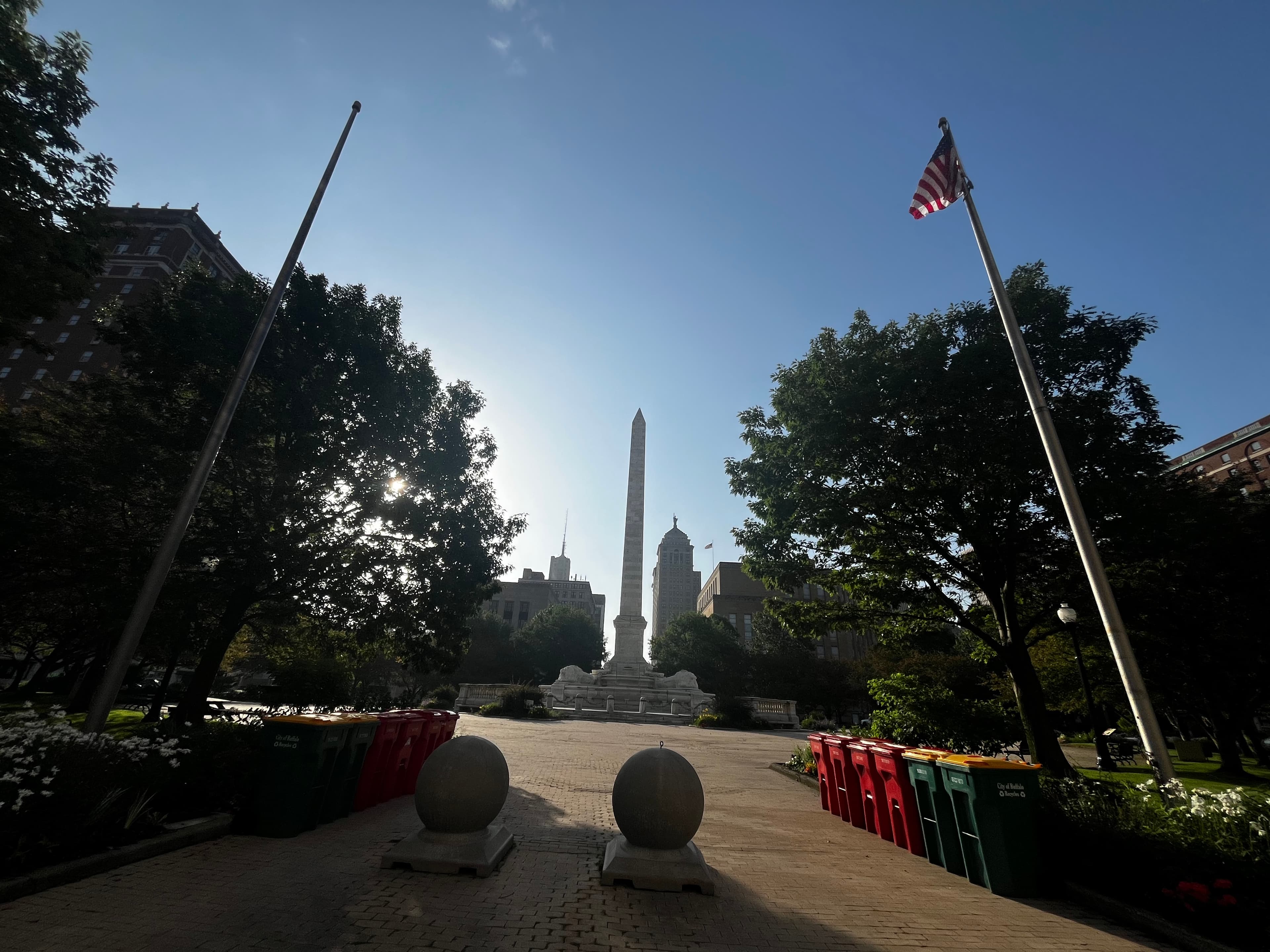
Justin Eassa and Stephen Ruth have something in common: Both took matters into their own hands after concluding the government had crossed a line, and both found themselves facing criminal charges for acting on their convictions.
Eassa is accused of removing a Somali flag displayed outside Buffalo City Hall, saying he believed it was improperly positioned in relation to the American flag. Ruth became known as the “Red Light Robin Hood” after taking a baseball bat to Suffolk County’s red-light cameras, which he argued were unconstitutional, dangerous and designed to generate revenue.
Ruth, who was ultimately acquitted after facing felony charges, offered words of encouragement to Eassa.
“Keep your faith in God, and you will prevail,” Ruth told the Kenmore man. “I’m confident that he will be vindicated.”
Eassa, who has pleaded not guilty and is defending himself against the charges, said during an interview on News Radio 930 WBEN with Stefan Mychajliw that Buffalo officials—not he—created the controversy by allowing the Somali flag to be raised.
“The real question everyone should be asking is why was it raised,” Eassa said, arguing it was not properly displayed alongside the American flag.
He has launched a GoFundMe to help pay his legal expenses and said he hopes to fight the case as far as necessary.
Ruth said the issue raises broader questions about whether elected officials remain accountable to the people they serve.
“During these times, when we question where our politicians’ loyalties lie, we want to see them loyal to the people,” Ruth said. He called the flag display “another overreach” and said residents increasingly feel government officials are “not beholden to us.”
Ruth knows the consequences of civil disobedience. He launched his campaign against Suffolk’s red-light cameras after researching fatal crashes at camera-controlled intersections and concluding shortened yellow-light times made roads more dangerous.
He knocked down cameras, cut wires and posted videos of his actions online, drawing more than a million views.
“I felt like I could beat it,” Ruth said. “I had to be willing to go to jail to make a change. And it worked.”
Although he temporarily lost his real estate license and faced multiple felony charges, attorneys David Raimondo and Billy Keahon represented him without charge and secured his acquittal. Suffolk’s red-light camera program later expired after state lawmakers declined to renew it.
Ruth believes Eassa’s case reflects the same principle: a citizen willing to risk arrest for what he believes is right.
“It seems like government is more and more spitting in our faces and seeing how we react,” Ruth said. “This is the reaction they got.”
Whether Eassa’s actions were legally justified will ultimately be decided in court. Ruth’s advice remains straightforward: remain faithful, stand by your principles and be prepared to accept the consequences.
You Might Also Be Interested In
DA: Mastic Woman Violated Probation After Dog Mauled Toddler
Illegal Immigrant Admits Sexual Assault Inside T.J. Maxx