

A Week of Failures at Home Shows Where Washington Has Put Its Money
A nationwide air traffic halt and a Microsoft outage came in the same week as two deadly collapses at New York work sites, and the record from Iraq and Afghanistan shows how much money flows to contractors during and after American wars.
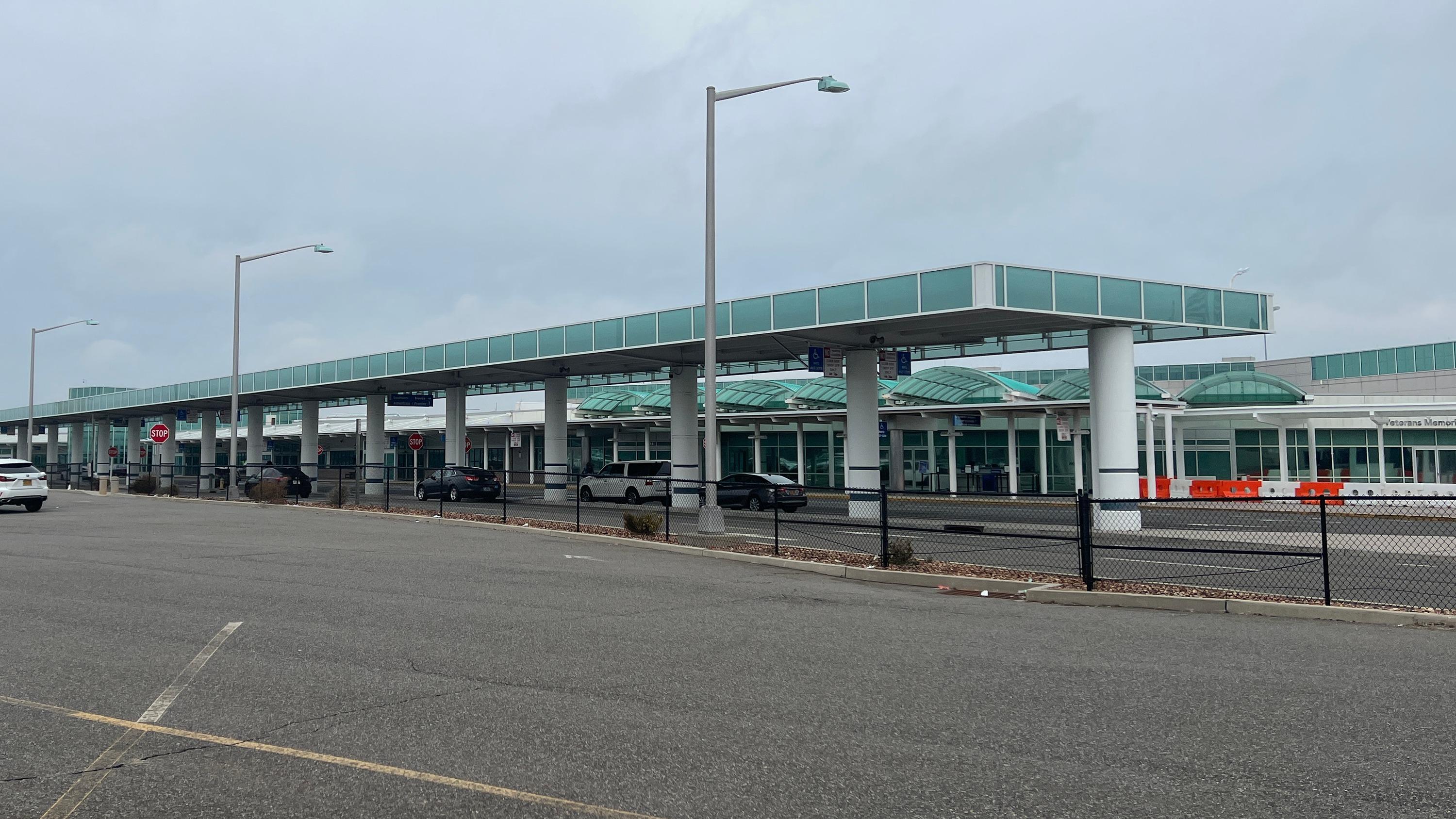
U.S. departures halted Friday afternoon when the Federal Aviation Administration issued a nationwide ground stop after communications at several of its regional control centers turned unstable. Transportation Secretary Sean Duffy blamed old analog equipment and on Saturday tied the overload to a contractor replacing copper lines with fiber. Microsoft's cloud email had failed from shortly after noon Thursday until after 1 a.m. Saturday, a breakdown the company traced to an earlier network capacity upgrade.
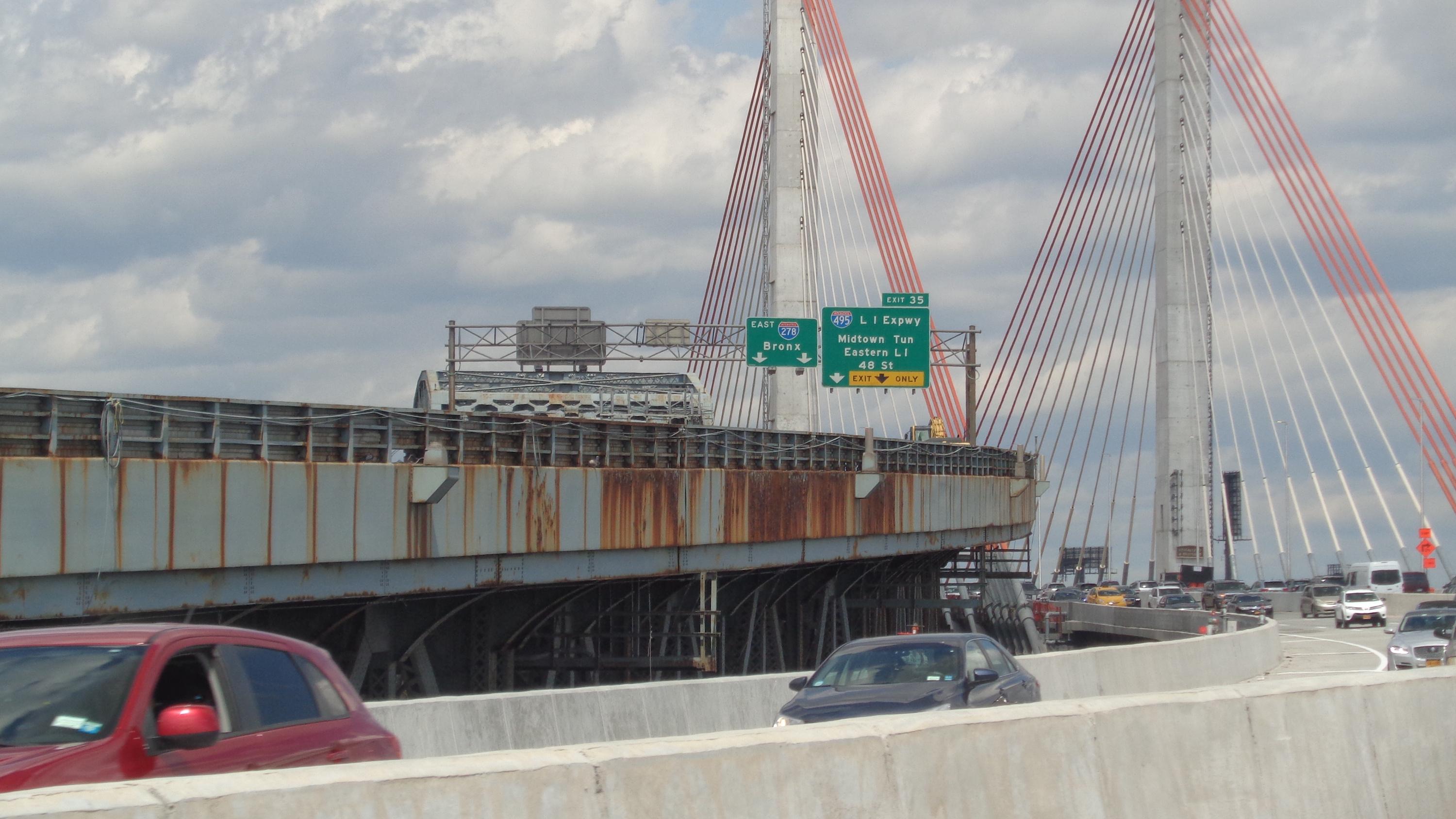
New York had its own losses that week. On Wednesday afternoon a three-story Brooklyn building at 1321 Flatbush Avenue fell into a construction site next door, killing eight people, two of them children, and injuring 18. The city Department of Buildings halted all work at the excavation, and the cause remains under investigation. Hours earlier on the South Shore, scaffolding under the Loop Parkway drawbridge at Point Lookout gave way while a crew was painting and repairing the span's steel. State police said one worker died, a second was still missing days later, and six were hurt. The bridge itself stood. Neither collapse has been tied to age or decay.
ASCE, the civil engineers' professional society, gave the nation a C in its 2025 report card and put the gap between planned spending and good repair at $3.7 trillion over ten years. The 2021 infrastructure law authorized $1.2 trillion, but only about $550 billion was new money, spread over five years.
From 2022 through April 2024, Congress passed five supplementals appropriating $174.19 billion for Ukraine, by the count of the inspectors general who track the aid. In April 2024 lawmakers approved a $26.38 billion Israel security supplemental. Together those appropriations come to about $200.6 billion, more than a third of the infrastructure law's new money. Brown University researchers with the Costs of War project estimate that the wars that followed 9/11 cost about $8 trillion, a total that counts future care for veterans.
Halliburton and its subsidiary KBR did the work in Iraq and made money on it. KBR won the Army's LOGCAP III logistics contract in 2001 and took task orders for housing and feeding troops at war. The Congressional Research Service, noting that LOGCAP task orders are approved as needed without competition among contractors, estimated KBR's total under the contract at about $35.7 billion through 2011. In March 2003 the Army Corps of Engineers handed KBR the Restore Iraqi Oil contract, worth up to $7 billion, without competitive bidding. Halliburton's annual SEC reports describe its Iraq business as that troop support plus contracts to rebuild the country's oil industry. By those filings, Iraq work brought in about $3.6 billion in 2003, $7.1 billion in 2004, $5.4 billion in 2005, then $4.7 billion in 2006, roughly $20.8 billion in all. It added $85 million, $78 million, $172 million and $166 million to operating income in those years, about $501 million before corporate costs and taxes. KBR's 2006 annual report says the company won $120 million in award fees under LOGCAP that year.
Auditors from the Pentagon's Defense Contract Audit Agency flagged more than $1 billion in Halliburton's Iraq charges as questioned costs, by a 2005 count congressional Democrats compiled from the agency's audits, and Halliburton denied the overcharge allegations at the time. Iraq's reconstruction inspector general concluded in 2013 that at least $8 billion of roughly $60 billion spent on the whole U.S. rebuilding program was wasted. Afghanistan's reconstruction inspector general, auditing all U.S. reconstruction spending there, closed out last December counting $148.2 billion appropriated and $26.0 billion to $29.2 billion that it classed as waste, fraud or abuse.
Dick Cheney ran Halliburton from 1995 until August 2000, when he joined the Republican ticket. His financial disclosures listed deferred Halliburton salary of $205,298 for 2001 and $162,392 for 2002, along with options on 433,333 shares. A September 2003 Congressional Research Service memo for Sen. Frank Lautenberg counted deferred salary and unexercised options among the "retained ties" to a former employer. Cheney had insured the payments and pledged option profits to charity. "I've severed all my ties with the company," he had said on Meet the Press on Sept. 14.
OpenSecrets counts $540,015 in Halliburton-related political contributions in the 2000 cycle, 97.5 percent to Republicans, and $191 million in defense sector lobbying in 2025. The Government Accountability Office found 1,718 former senior and acquisition officials from the Pentagon working for 14 major contractors in 2019.
The World Bank and its partners put Ukraine's recovery at almost $588 billion, and a United Nations, European Union and World Bank assessment puts Gaza's at about $70 billion.
Politically aligned defense companies profit from the wars themselves, as the LOGCAP award fees show. Politically aligned companies profit again from the rebuilding. Halliburton's filings count the Iraq oil rebuild within the business that earned about $501 million in operating income. Any claim of a coordinated effort to lobby for war and wage it for rebuild money is speculation, because the public record holds no evidence of one. The incentive itself is the scandal. An industry paid to supply the fighting and paid again to repair the damage, staffed in part by former Pentagon officials and generous to the lawmakers who vote on war, holds an obvious economic interest in more wars. Taxpayers who fund that interest twice, for destruction and repair, as repairs at home wait their turn, are paying for the hidden scam.
You Might Also Be Interested In
Nationwide FAA Ground Stop Reaches MacArthur as Airlines Rebuild Schedules Ahead of Thanksgiving
Joe Rogan Warned Against a Blue Texas and Kept His Distance as Democrats Swept Every Statewide Race
Supreme Court Agrees to Rule on Trump's Asylum Shutdown at the Border