

Supreme Court Agrees to Rule on Trump's Asylum Shutdown at the Border
The justices will decide whether a 2025 proclamation declaring an invasion at the southern border lets the government bar migrants from seeking asylum. Arguments are expected next spring.
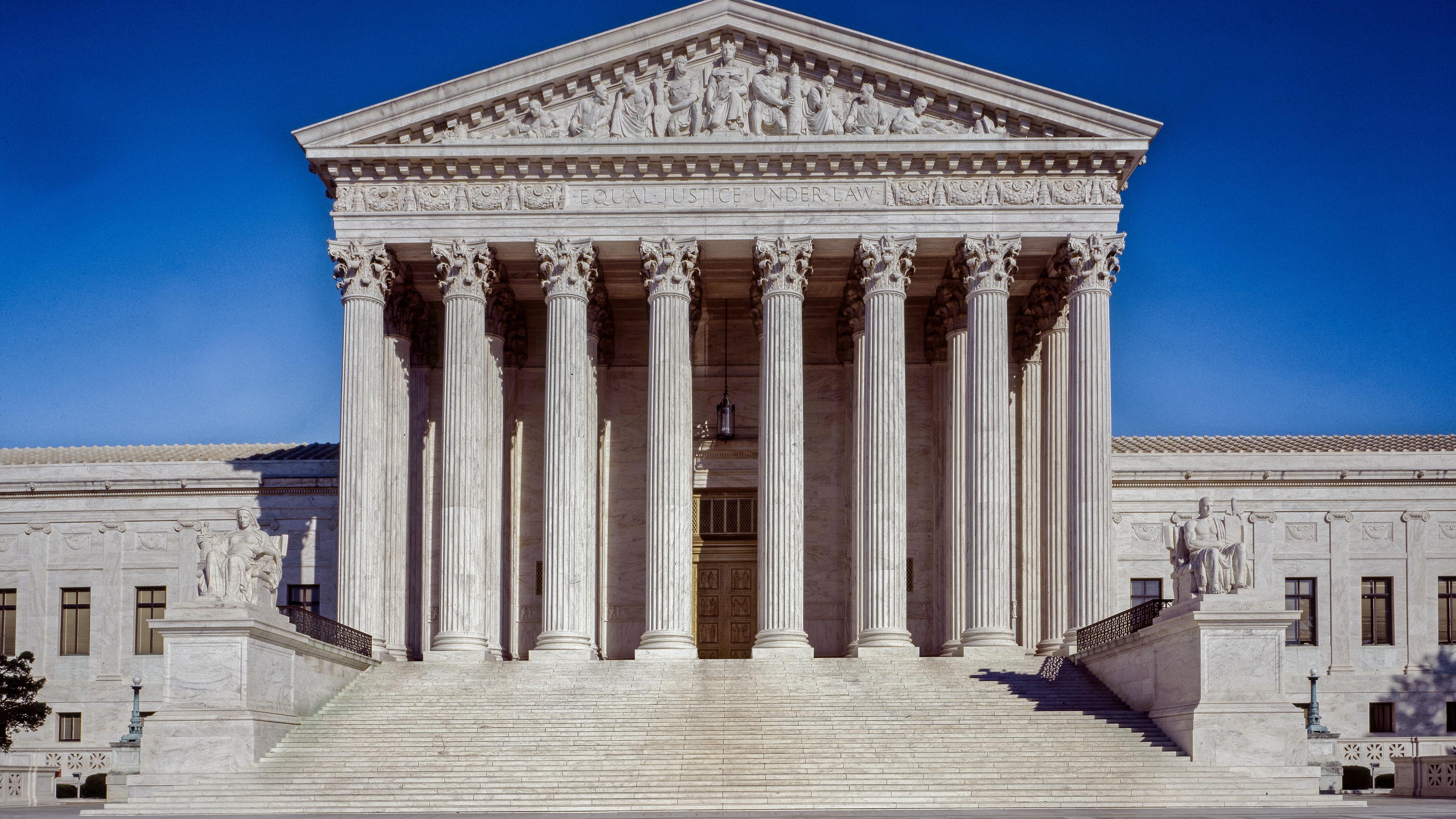
The Supreme Court said Friday that it will rule on whether President Trump may close off asylum to migrants who cross the southern border, taking up a policy that a federal judge and an appeals court in Washington both found unlawful.
The justices granted the administration's petition in the case, Mullin v. RAICES, which is named for Homeland Security Secretary Markwayne Mullin, in an order list released after their private conference. They narrowed the case to two questions. The first is whether the proclamation and the Homeland Security guidance that carries it out are legal. The second is whether a provision of federal immigration law, 8 U.S.C. 1252(f)(1), prevented the district court from granting relief to an entire class of migrants. The court declined to hear a third question the government raised about whether the class itself was properly defined.
The dispute traces to Jan. 20, 2025, Trump's first day back in office. That day he issued a proclamation that said an invasion was under way on the border with Mexico and halted entry for the people he said were part of it. Under the order, migrants who cross between ports of entry or without the required papers may not seek asylum or a related protection called withholding of removal. Homeland Security Department guidance went further, directing that such migrants be removed quickly and without some of the procedural safeguards in federal law.
Thirteen individuals who say they suffered persecution or torture in their home countries brought the suit along with three groups that provide legal help to immigrants. The groups are RAICES, the Florence Immigrant & Refugee Rights Project, and Las Americas Immigrant Advocacy Center. The American Civil Liberties Union and other advocacy organizations represent them.
Randolph Moss, the federal district judge hearing the case, certified a class made up of everyone who is or would be covered by the proclamation. He threw out the Homeland Security guidance and barred officials from enforcing those measures.
In April the federal appeals court in Washington ruled against the administration in a split decision. Writing for herself and Judge Cornelia Pillard, Judge J. Michelle Childs said that Congress, in letting presidents suspend entry by proclamation, never handed the executive the sweeping power to remove people that the administration claimed. Judge Walker, the third member of the panel, dissented in part. In July the full appeals court declined to rehear the case. It then paused its own ruling while the government sought review, so the asylum restrictions have stayed in force throughout the litigation.
In its filings, the administration called the appeals court decision "judicial interference in one of the administration's most important policy initiatives." The administration's top Supreme Court lawyer, Solicitor General D. John Sauer, argued that the proclamation "rests on a commonsense understanding of the President's inherent and delegated powers to exclude aliens." His petition told the justices that border encounters have dropped 93% since the proclamation took effect, to levels unseen since the 1960s. Iowa and 21 other states filed a brief urging the court to take the case.
Lawyers for the migrants said they would defend the lower court rulings. "The president does not have the right to unilaterally override the protections Congress has afforded those fleeing danger," said Lee Gelernt, the ACLU lawyer leading the case. "We look forward to making our case before the Supreme Court."
The case adds to an already crowded immigration docket for the term. The justices are also weighing the administration's practice of deporting people to countries not named in their removal orders and its policy of holding immigrants arrested inside the United States without a bond hearing.
Arguments in the asylum case are expected in the spring. In a separate order Friday, the justices added Robinhood Markets v. Sodha, a securities case over what a company must tell investors before a public offering.
You Might Also Be Interested In
MTA Wants More Federal Cash As Long Islanders Pay The Price

Prediction Markets Face Gambling Crackdown
Prediction Markets Score Big in Midterms