America's Biggest Political Influencers May Not Be on America's Payroll
Representative Luna's bill recognizes what Washington has been slow to admit: the next generation of foreign influence isn't hiding in smoke-filled rooms or diplomatic back channels.
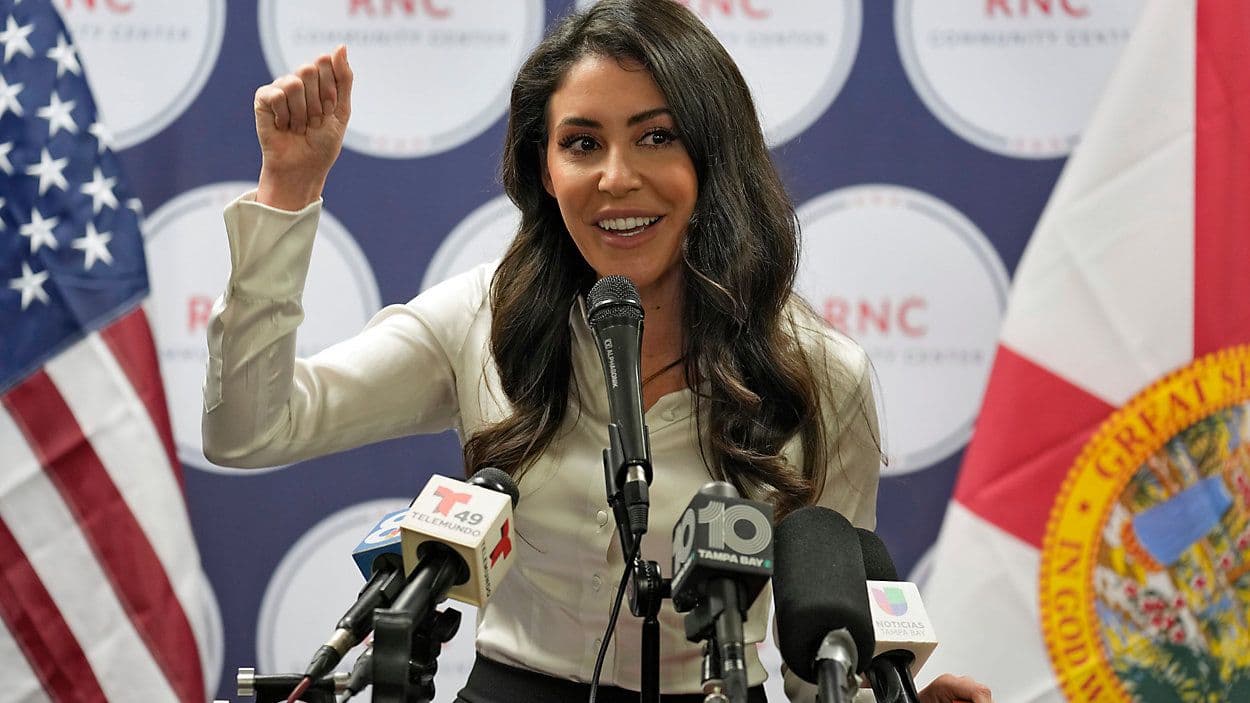
Every election cycle we hear the same warning: "Protect democracy." Fair enough. Here's a great place to start: stop letting foreign governments buy their way into America's political conversation. For years we've obsessed over Russian bots, Chinese hackers, anonymous troll farms, and mysterious social media algorithms. Those threats are real. But there's a newer, far more sophisticated tactic unfolding right before our eyes. Instead of creating fake accounts, foreign governments can simply hire real people with real audiences and let them do the talking. Why build a propaganda network when you can rent one? Some influencers today command audiences larger than CNN, MSNBC, or Fox News during prime time. Millions of Americans wake up with them, laugh with them, trust them, and in many cases believe them more than traditional journalists. That influence is incredibly valuable, and our adversaries know it. If a foreign government can quietly wire money to someone with a camera, a podcast, or a million followers, they've purchased something no spy could ever steal: credibility. That's why Representative Anna Paulina Luna deserves real credit for introducing legislation requiring influencers who are paid by foreign governments to disclose those financial relationships. Her proposal doesn't silence anyone. It doesn't censor speech. It doesn't tell Americans what they can or cannot say. It simply says that if Beijing, Moscow, Tehran, Doha, or any other foreign capital is helping pay your bills while you're trying to shape American public opinion, the American people deserve to know. Imagine that. Honesty.
It's amazing how controversial transparency has become. Let's be clear about something. This isn't about conservatives. It isn't about liberals. It isn't about Republicans or Democrats. Foreign intelligence services don't wake up every morning asking how they can help one political party. They wake up asking one question: "How do we make Americans hate each other just a little bit more today?" Mission accomplished. Scroll through social media for fifteen minutes and you'll find outrage about almost everything imaginable. Every issue is presented as the end of civilization. Every disagreement becomes a declaration of war. Every headline is crafted to make you angry enough to share it before you've even finished reading it. Coincidence? Maybe. Maybe not. The point is that Americans deserve to know whether the person screaming into their phone every morning is speaking from conviction or from a foreign-funded contract. Hostile governments have learned something about America that perhaps we have forgotten ourselves. They don't have to defeat our military. They don't have to invade our shores. They simply have to convince Americans that our neighbors are the enemy.
If they can get us fighting one another, they've already won half the battle. Information warfare is no longer some futuristic concept discussed inside classified intelligence briefings. It's happening every single day on your phone. The battlefield isn't overseas. It's your timeline. The scary part is that it doesn't always look like propaganda. It looks like a podcast. It looks like a livestream. It looks like a viral TikTok. It looks like someone confidently telling you they're "just asking questions." Maybe they are. Maybe they're asking them because somebody overseas is paying them to. Again, disclosure isn't censorship. It's transparency. America has required lobbyists working for foreign governments to register for decades because the public has a right to know who is pulling the strings. Why should social media influencers be any different simply because they swapped a suit for a ring light?
The answer is they shouldn't. If an influencer honestly believes what they're saying, fantastic. Speak your mind. That's America. But if you're cashing checks from a foreign government while pretending to be an independent political commentator, you're not simply expressing an opinion. You're participating in a foreign influence campaign, whether you admit it or not. The audience deserves to know the difference. Representative Luna's bill recognizes what Washington has been slow to admit: the next generation of foreign influence isn't hiding in smoke-filled rooms or diplomatic back channels. It's hiding behind verified accounts, viral clips, and professionally edited podcasts. Congress should move quickly. This shouldn't be a partisan fight. Every member of Congress, regardless of ideology, should want American elections, American debates, and American public opinion to belong to Americans. Our adversaries don't care who wins our elections. They care that we stop trusting one another. They want Americans convinced that every institution is corrupt, every election is stolen, every disagreement is treason, and every political opponent is an existential threat.The more divided we become, the less dangerous we become. That's the strategy. It's cheap. It's effective. And if we continue pretending it isn't happening, we'll have no one to blame but ourselves. The First Amendment protects speech. It does not require Americans to be kept in the dark about who is financing that speech.
Sunlight has always been democracy's greatest ally.
Let's turn on the lights.
You Might Also Be Interested In
Lalota’s Hypocrisy Leaves NY-1 Without a Candidate Worth Endorsing
Before You Vote: What Every Job on Your Ballot Actually Does
Hochul Says New York Will Join Federal Scholarship Tax Credit Program Starting Jan. 1