
Cuba's President Says the Island Is Preparing for a Possible U.S. Military Attack
Miguel Díaz-Canel spoke a day after President Trump told a radio host he would consider using force against Havana, after the State Department added sanctions on the island's ruling elite.
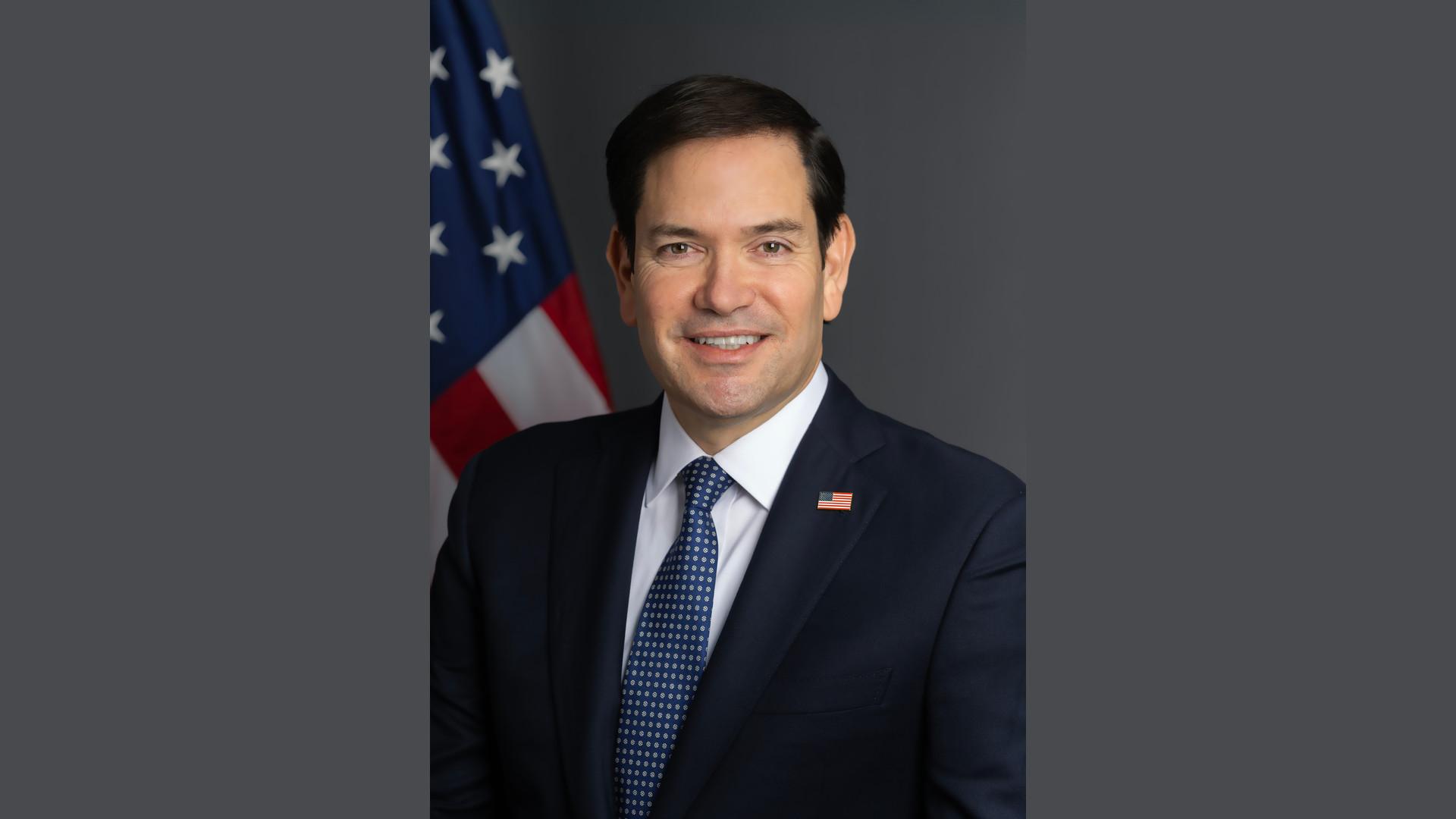
Cuban President Miguel Díaz-Canel said Friday that his government is getting the island ready to resist any foreign military attack, after weeks of remarks from President Trump and senior U.S. officials about Cuba.
Díaz-Canel made the comments on Nov. 13 while attending a defense drill in Boyeros, a Havana municipality. Cuba's presidency quoted him as saying, in translation, "we have resolved to reject any attempt at foreign military aggression against our country, and we are preparing for that."
He repeated the point that evening on his verified X account. "Cuba does not attack or threaten any nation. But we will reject any attempt at foreign military aggression, and we are preparing for that danger," he wrote in Spanish, in translation. The same post called on Washington to "end the collective punishment and let this people live in peace."
The presidency's account said Díaz-Canel blamed recent statements by American officials and politicians for the government's decision "to activate wartime structures to work in peacetime." He said the population was being trained under the "War of the Entire People" and pointed to a nationwide military exercise, Moncada 2026, held the previous week. He also demanded that the United States "lift and end the blockade."
His words followed a Thursday interview with conservative radio host Hugh Hewitt. Asked whether he would order military force before leaving office if freeing Cuba required it, Trump said he wanted to "get Cuba done before I leave." He praised Secretary of State Marco Rubio, whose parents are from Cuba, as "a very good, talented guy for Cuba" and described the island as "essentially a failed" nation. When Hewitt asked if he would accept "a week campaign," the president answered, "I would certainly consider that, yes."
Trump has spoken about Cuba several times this month. At a news conference at the White House on Nov. 9, a reporter asked whether he still planned on taking the island. He called Cuba "a failing nation" and said the United States "will help them on a humanitarian basis." "I would imagine it will fall fairly soon," he said. Three days earlier, at a CPAC gathering at Mar-a-Lago, he said of Rubio, "We're gonna drop him by parachute into Cuba."
Speaking to an investment conference in Miami Beach on March 27, he told the audience Cuba was "next, by the way," then said, "pretend I didn't say that." At a rally in Fort Myers on Oct. 23, he said, "Don't worry, we'll take care of Cuba on our way back from Iran."
After Venezuelan leader Nicolás Maduro was taken into U.S. custody in January, which Trump has described in public remarks, he told reporters on Jan. 30 that Cuba had depended on money and oil from Venezuela and that "none of that's coming now."
Rubio laid out the administration's case against the Cuban government at a press availability in Paris on Nov. 9. "The regime there is afraid of giving their people any kind of freedom, economic or otherwise, because they like to control them," he said. He said that instability "poses a threat to the national security and national interest of the United States." He noted that the embargo is written into federal law and can be lifted only with political freedom. He also accused GAESA, the military holding company, of "stealing what little they have from the Cuban people." Havana, he said, will need to "wake up and realize that there is no future on the path they're on right now."
On Nov. 5, Rubio designated ten new targets and identified five vessels as blocked property under Executive Order 14404, which Trump signed on May 1. The list included the daughter of GAESA's already sanctioned president and a man the department linked to offshore firms that move Cuban crude. China-based suppliers that the department said equip Cuba's armed forces were also named. The Treasury Department issued a determination that allows sanctions on foreign firms working in four sectors of the Cuban economy, including electronics and technology. The department said Cuba serves as "a staging ground for a global coalition of hostile anti-American actors." Earlier actions hit the state bank BICSA on Oct. 15 and GAESA itself on May 7.
Díaz-Canel has disputed that account. On Saturday, he posted the slogan "Cuba is not a threat; the blockade is," in translation. Later that day he said he had met a delegation from the U.S. Conference of Catholic Bishops that included Cardinal Sean Patrick O'Malley, and he thanked the church for helping humanitarian aid reach the island.
You Might Also Be Interested In
A Week of Failures at Home Shows Where Washington Has Put Its Money
Nationwide FAA Ground Stop Reaches MacArthur as Airlines Rebuild Schedules Ahead of Thanksgiving
Joe Rogan Warned Against a Blue Texas and Kept His Distance as Democrats Swept Every Statewide Race