
Flock Cameras Spread as Lobbying Dollars Flow
The surveillance company has spent more than $2 million lobbying federal and state officials as privacy concerns, proposed restrictions, and vandalism follow the spread of license-plate readers.
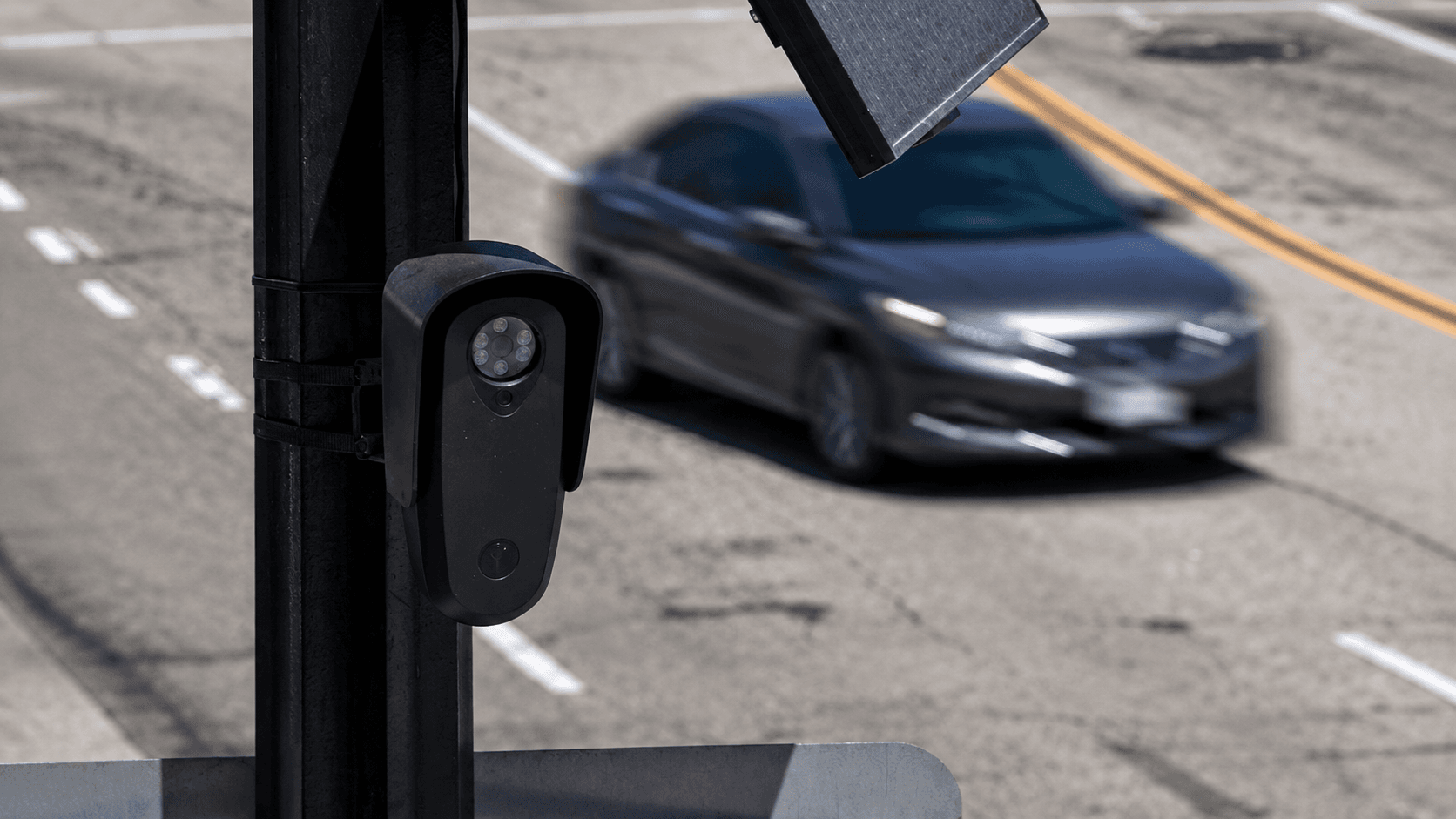
As with many new technologies, automated license-plate readers have generated suspicion — and sometimes an aggressive response. On Long Island, cameras have been vandalized and even stolen as residents question whether a crime-fighting tool has quietly become a mass-surveillance network.
Behind that debate is another question: Why does a company selling technology it says makes communities safer need to spend millions lobbying the officials who regulate and purchase it?
Flock Safety has spent more than $2 million on federal and state lobbying since January 2025, according to the nonpartisan government-transparency group OpenSecrets, including nearly $1.4 million at the federal level and at least $1 million in statehouses.
The actual total could be higher because some states do not require disclosure of lobbyist compensation.
Flock has deployed lobbyists in dozens of states, including former government officials and congressional staffers who have passed through Washington’s familiar “revolving door.”
The spending comes as lawmakers and civil-liberties advocates debate whether networks capable of recording and searching motorists’ movements require stronger Fourth Amendment protections.
Police argue automated readers help locate stolen vehicles, missing people and criminal suspects. Critics counter that the same technology collects information on millions of innocent motorists without warrants or individualized suspicion.
Those tensions have become increasingly visible on Long Island. Flock cameras in Southold Town have repeatedly been vandalized, including one Greenport camera that was splashed with red paint after previously having its wires pulled out.
And in Shirley, Suffolk County police recently arrested 68-year-old Miguel Perez after he allegedly removed two Axon automated license-plate readers from Moriches-Middle Island Road.
The lobbying itself is legal and does not establish that lawmakers have been improperly influenced. But its scale raises questions about whether public policy is keeping pace with rapidly advancing surveillance technology — and whether companies benefiting from government contracts have too much influence over the rules governing them.
Ultimately, the issue goes beyond whether the cameras solve crimes.
It is whether Americans should have to surrender a searchable record of their movements simply because the technology makes collecting it possible.
You Might Also Be Interested In
Lalota’s Hypocrisy Leaves NY-1 Without a Candidate Worth Endorsing
Before You Vote: What Every Job on Your Ballot Actually Does

Hochul Says New York Will Join Federal Scholarship Tax Credit Program Starting Jan. 1