

House Sends Russia Sanctions Bill to Trump's Desk
Lindsey Graham Act passes 262-159; parties split over new presidential tariff authority
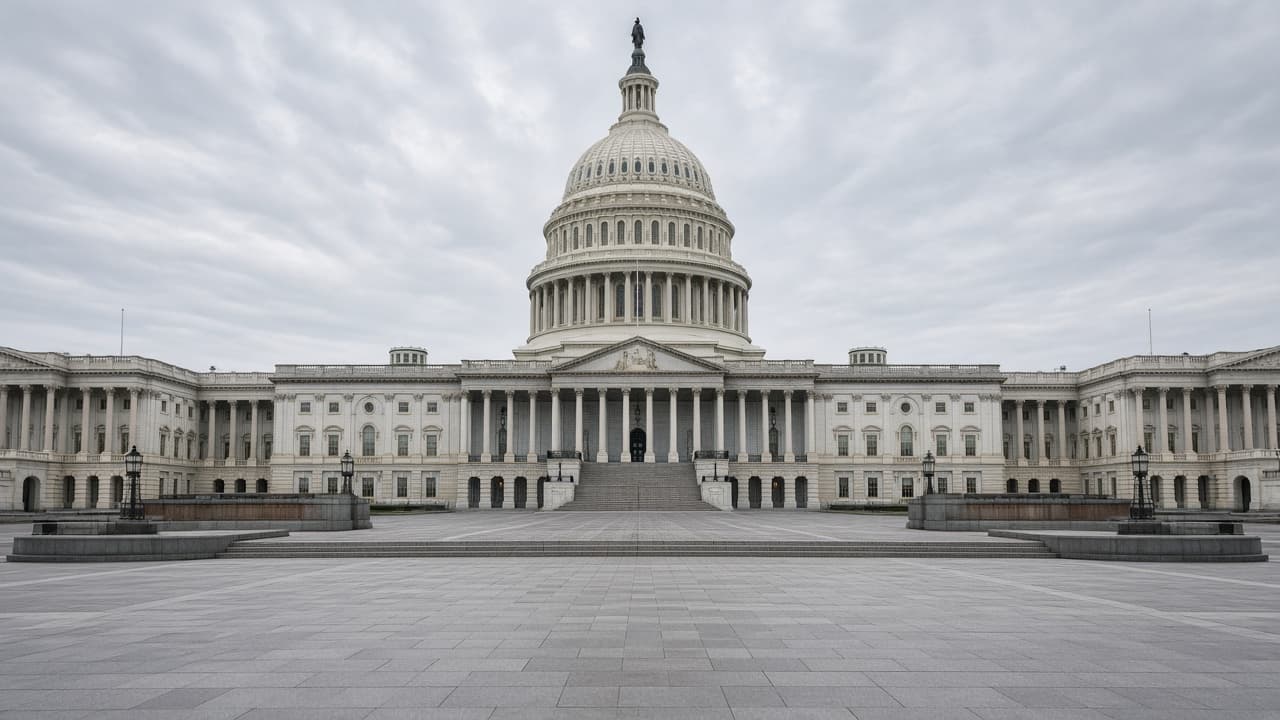
The House on Wednesday night passed a Russia and Iran sanctions package and sent it to President Donald Trump, ending months of delay over a bill that also lets the president punish countries that keep buying Russian energy.
The vote was 262-159. Fifty-eight House Democrats joined most Republicans in support; seven Republicans joined most Democrats against it. The Senate cleared the measure in August, 86-11.
Formally the Lindsey O. Graham Sanctioning Russia and Iran Act of 2026 — named for the late South Carolina senator who co-wrote it before his death earlier this year — the bill mandates new sanctions on Russian political and military officials and on foreign companies and financial networks helping supply and finance Russia's war in Ukraine. It also targets what supporters call Russia's "shadow tanker" fleet, used to move crude around existing energy sanctions.
The most contested piece lets Trump impose tariffs of up to 100% on top importers of Russian oil and gas — a list that includes China and India. Supporters say the authority can cut revenue funding Russia's military. Critics say the same tool could be turned on U.S. allies.
"Choking off the money funding a war of conquest in Europe is exactly what that authority should be used for, and Congress deciding to do that is Congress doing its constitutional job," said Rep. Don Bacon, R-Neb.
Rep. Michael McCaul, R-Texas, said: "This is a moral issue that requires moral courage. I want us to be able to say that we did everything possible to end this war."
House Minority Leader Hakeem Jeffries led Democratic opposition, arguing the tariff power is too open-ended. "Why in the world would this Congress give this president additional authority to visit that kind of economic harm on the American people?" Jeffries said, announcing he would vote no. Rep. Don Beyer, D-Va., warned of "a loophole that would allow him to define basically any country as a facilitator" of sanctions evasion and hit it with 100% tariffs with "no guardrails or oversight."
The path was uneven. The Trump administration opposed the bill for months, then changed course as peace talks with Moscow stalled. A procedural vote Tuesday to allow House consideration passed 214-211, with two Democrats breaking ranks. Senior Democratic leaders held closed-door talks with colleagues afterward.
One of those two Democrats, Rep. Marie Gluesenkamp Perez, cited her district's large Ukrainian-American community. "I'll always stand with my community's values," she wrote, adding that she looked forward to "voting tomorrow to cut off the flow of Russian oil money fuelling this war."
Ukraine backed the bill. Pro-Ukrainian activists lobbied congressional offices in the days before the vote, calling it a last chance to tighten pressure on Moscow before what Democratic staffers described as a "long winter" of Russian drone attacks on Ukraine's energy grid.
A Russian drone strike on a bus in Nikopol killed at least five people and injured seven Wednesday, the same day as the House vote, Ukrainian officials said. The UN has reported a 37% rise in Ukrainian civilian casualties in the first half of 2026 compared with the same period a year earlier.
You Might Also Be Interested In
U.N. Panel Says U.S. Strikes on Iran May Be War Crimes

Gen. Mike Flynn Headlines ‘Don’t Sharia My New York’ Event

SBA Drought Loans Available To Suffolk Businesses