

Pump Pain Outruns Crude: Refinery Hits, Not Just Oil Supply, Are Driving Local Fuel Costs
Drivers filling up this weekend are paying far more than the crude-oil tape alone would suggest. West Texas Intermediate, the U.S. benchmark, was near $92 a barrel on Friday after a modest weekly pullback. Brent, the global marker, hovered around $104. Those levels are still sharply higher than a year ago — WTI is up roughly 40 percent from last September, and Brent about 50 percent — and they sit well above last year’s calmer averages near the mid-$60s. They are not, however, at the extremes of the last quarter-century. WTI spiked above $145 in July 2008. After Russia’s 2022 invasion of Ukraine it briefly topped $120, with Brent near $139. Today’s crude market is elevated and jumpy. It is not even close to those historic peaks.
Gasoline and diesel prices at the pump tell a different story. AAA’s national average for regular gasoline was about $4.49 a gallon on Saturday, versus $3.15 a year earlier — a jump of more than 40 percent. Diesel is worse. The Energy Information Administration’s latest weekly survey put on-highway diesel at $6.53 a gallon for the week of Sept. 21; AAA was near $6.48. A year ago diesel was about $3.68 to $3.74. That is an increase of roughly 75 percent. AAA also recorded a new high for the national diesel average earlier this week. Farmers, truckers, and anyone who heats with distillate are feeling that first.
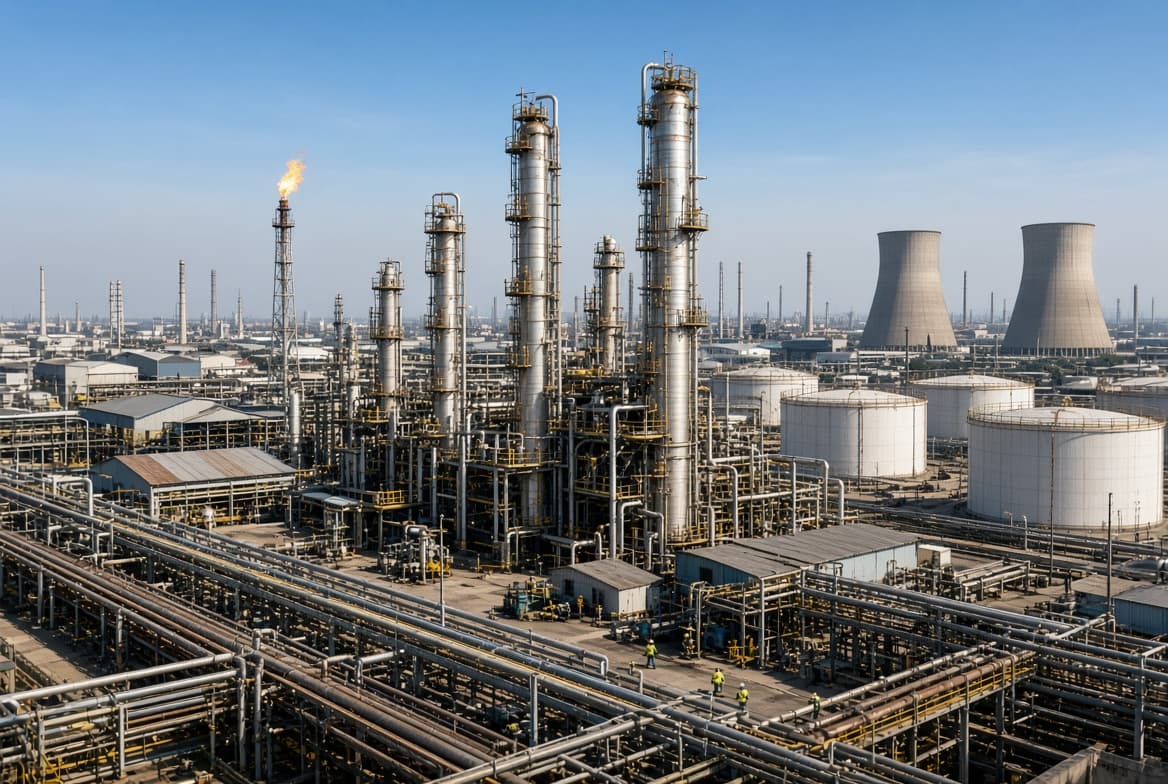
That gap between crude and finished fuel is worth noting. Oil has to be refined into gasoline, diesel, and jet fuel. When refineries go offline, “crack spreads” — the margin between a barrel of crude and a gallon of product — explode, and pump prices can rise faster than the oil price itself. Analysts at Enverus Intelligence Research estimated this month that about 7 million barrels a day of Middle Eastern and Russian refining capacity is damaged or constrained by the wars involving Iran and Ukraine. Against global distillation capacity of roughly 103 million barrels a day, that is about 7 percent of the world’s plants tied up by conflict, before counting routine maintenance. Reuters reported in May that war-linked outages had already taken nearly 9 percent of global refining capacity offline. Enverus separately put total capacity offline, including turnarounds, near 11 million barrels a day. Distillate cracks have ranked among the tightest in more than a decade.
That is why diesel has outrun gasoline, and why both have outrun crude. Middle East product exports were already squeezed by lower Gulf runs and shipping risk. Russia is a major diesel exporter in normal times. Ukrainian strikes have repeatedly hit Russian plants; industry and agency estimates of how much Russian capacity is down have ranged from about 20 percent to far higher on some days. The International Energy Agency has cut its outlook for both Middle East and Russian processing. Less refined product on the water means higher U.S. pump prices even when American wells are still producing.
President Donald Trump has made that argument in public. Speaking in Ireland this month, he said, “Mr. Zelenskyy has to do one thing: He has to stop knocking out diesel fuel in Russia.” He added that there were “plenty of other targets” and that hitting diesel was “hurting the world.” He also said the diesel squeeze was “not done by the Middle East” so much as “what’s happening with Russia and Ukraine.” Axios later reported that on a Sept. 20 call with Volodymyr Zelensky, Trump again pressed Kyiv to halt refinery strikes because they were lifting global diesel prices; a person familiar with the call said “the word ‘diesel’ came up many times.” On Truth Social, Trump wrote that Russia had “lost control of its Diesel Oil Industry” and that a “large number of their Diesel refineries have been blown up.”
Zelensky has not agreed to a pause. After meeting Trump in New York, he said Ukraine was ready for an “energy ceasefire” if Moscow stopped attacking Ukraine’s power and heating system. Strikes have not stopped. Ukrainian and Russian reporting this week described another overnight drone attack affecting industrial sites in Russia’s Krasnodar region, including reports that the Ilsky refinery was hit. Local officials confirmed strikes on enterprises in the region. Kyiv frames the campaign as pressure on Moscow’s war machine. Washington’s concern, stated plainly by the president, is the bill arriving at American pumps.
Crude supply shocks still matter. So do taxes, seasonal blends, and local competition. But the unusual feature of this spike is the refining impact. Oil is expensive, but the problem that needs to be addressed is the continued destruction of global refining capacity, which the U.S. is essentially funding. If our "allies" refuse our demands to stop the bombing of refining sites, one must wonder why we consider them to be "allies" and why they would continue to garner our economic and military support.
You Might Also Be Interested In

Surgisphere: The Lasting Effects of COVID Mistruths

White House Claws Back $810 Million in Congressionally Approved Funds

Trump and Xi End State Visit With Trade Truce Extended, Big Issues Unresolved