

Senate Passes 62-33 Permitting Bill to Speed Energy Projects and Make Data Centers Pay for Grid Upgrades
The Bipartisan American Affordability and Jobs Act now goes to the House, with Senate Democrats divided and environmental and tribal groups opposed
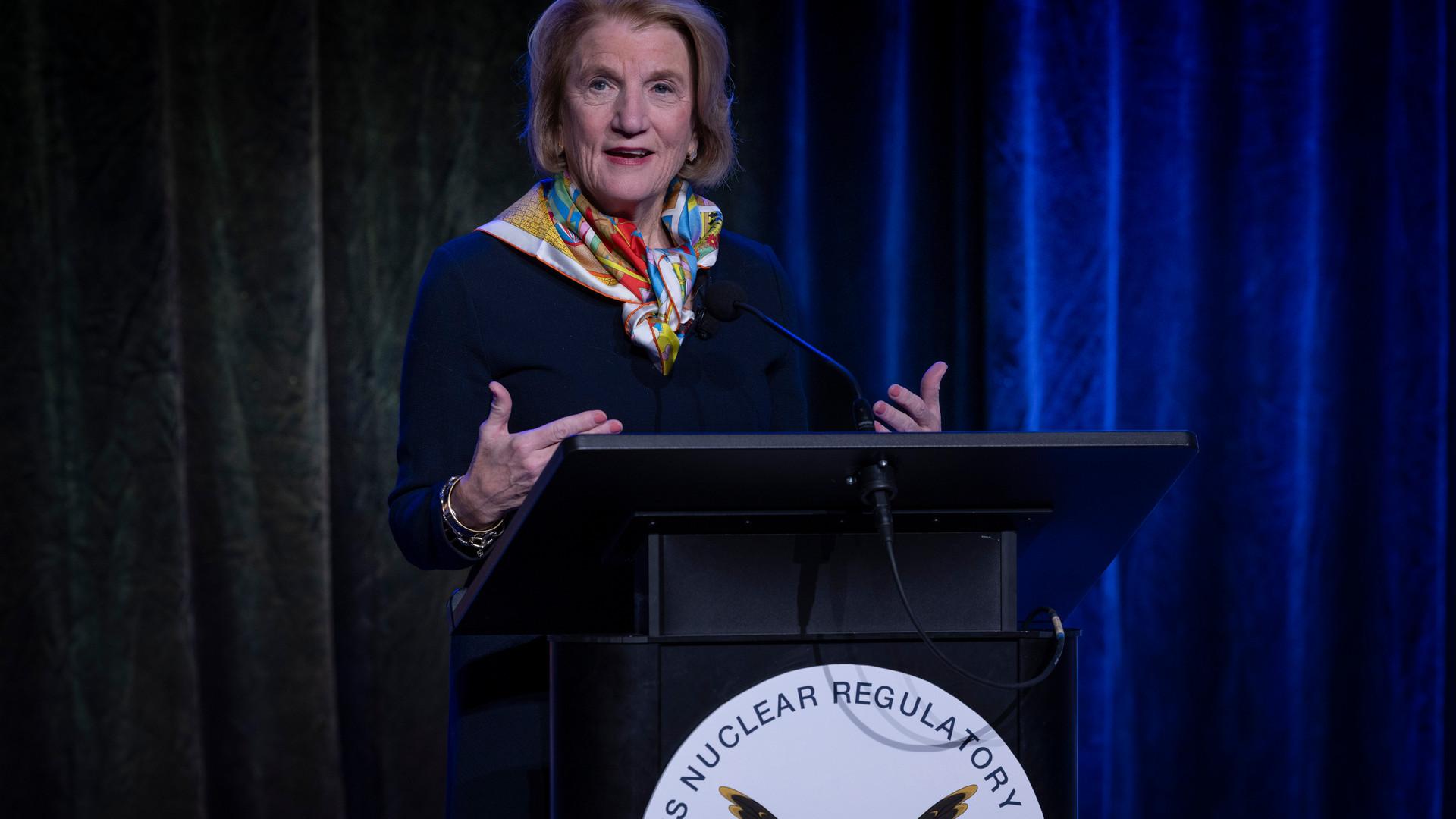
The Senate approved a bipartisan permitting bill 62-33 on Thursday night, Nov. 19, sending it to the House for action before the year ends. Titled the "Bipartisan American Affordability and Jobs Act" and shortened to BAAJA, the measure is meant to shorten approval times for energy and infrastructure projects, and the two chambers must resolve any differences before President Donald Trump can sign it.
Republicans Shelley Moore Capito and Mike Lee, of West Virginia and Utah, and Democrats Sheldon Whitehouse and Martin Heinrich, of Rhode Island and New Mexico, negotiated the text. It limits how long lawsuits can run, makes permits harder to revoke once they are issued, and trims reviews under the National Environmental Policy Act as well as the Clean Water Act. It also requires data centers to cover the grid upgrades they need and widens federal authority over the siting of certain interstate transmission lines. More than a dozen Democrats voted yes, among them Minority Leader Chuck Schumer of New York, though more Democrats voted against the bill than for it.
Capito, one of the authors, said, "Tonight, the passage of permitting reform in the Senate finally became reality and we took a major step towards addressing the affordability concerns of the American people." Majority Leader John Thune of South Dakota said the bill would "cut through decades of red tape" and "save the average household hundreds of dollars each year." Whitehouse said Americans would "quickly begin getting some relief on their energy bills if the House follows suit." Rhodium Group, a research firm, estimates that the bill could allow 17 to 249 more gigawatts of clean energy by 2040 and lift natural gas exports 8 percent to 15 percent above levels already projected.
Industry groups on both sides of the energy divide, the American Clean Power Association for renewables and the American Petroleum Institute for oil and gas, praised the vote, and labor backing came from the AFL-CIO and a number of individual unions. Opposition came from the Sierra Club, the National Wildlife Federation and the Natural Resources Defense Council, which said the House "should not pass a bill that gives President Trump a blank check to reward oil and gas companies and data center developers." Several tribal organizations remain opposed even after senators amended the text in response to their objections.
Maria Cantwell of Washington, one of several Democratic senators who raised objections, urged colleagues not to "sacrifice the Clean Water Act, hunting or fishing grounds, historic or sacred sites, or protections of tribal sovereignty." Jeff Merkley of Oregon called the bill "a bad deal" that "opens the gates to a flood of natural gas for data centers while leaving expanded transmission of renewable energy subject to Trump's obstruction." Ron Wyden of Oregon pushed an amendment that would have barred data center construction on public lands.
Democrats won majorities in both chambers in this month's midterm elections and take control in January. Trump urged passage on social media, calling the bill a "BIG WIN for U.S. ENERGY INDEPENDENCE and DOMINANCE." House Speaker Mike Johnson said last week that he expects enough votes to pass it in his chamber. Rep. Scott Peters, a California Democrat, urged colleagues to act before this Congress ends, while Rep. Jared Huffman of California, the likely incoming chairman of the House Natural Resources Committee, urged Democrats to reject it and said, "We can produce a better deal."
The House has not yet voted on the Senate bill, and neither Rep. Andrew Garbarino nor Rep. Nick LaLota, the Republicans who represent eastern Long Island, had commented publicly on that measure as of Nov. 20. Both voted yes on Dec. 18, 2025, when the House passed H.R. 4776, the SPEED Act, 221-196, a permitting bill that would revise environmental reviews under the National Environmental Policy Act. After that vote, LaLota said, "This past week, I voted YES on the SPEED Act to fix D.C.’s broken permitting process." Both voted yes again on Sept. 16, 2026, when the House passed H.R. 9340, the Ratepayer Protection Act, 417-3, which would require state utility regulators to take up a standard under which big computing facilities whose peak electric use reaches 100 megawatts or higher at one location would bear the added cost of the power-plant, power-line and local-system upgrades required to serve them.
Republican leaders and the White House back the bill, and Speaker Mike Johnson said last week that he expects enough votes to pass it in the House. Some Democrats, including Huffman, have argued they could write a better package once they control Congress next year, and some of the bill's backers in the Democratic coalition say a changed bill would leave no political path to Trump's signature.
You Might Also Be Interested In
Trump Signs Order Requiring Contractors to Alert White House on Congressional Requests
Trump Threatens a 'Tremendous Tax' on U.S. Companies That Build Data Centers Abroad
A Texas Democrat Is Already Speaking America First