

Andrea Stewart-Cousins Was a Political Foe, But Remarkable Woman
Her rise from public housing to the Senate gavel is a story worth knowing and remembering
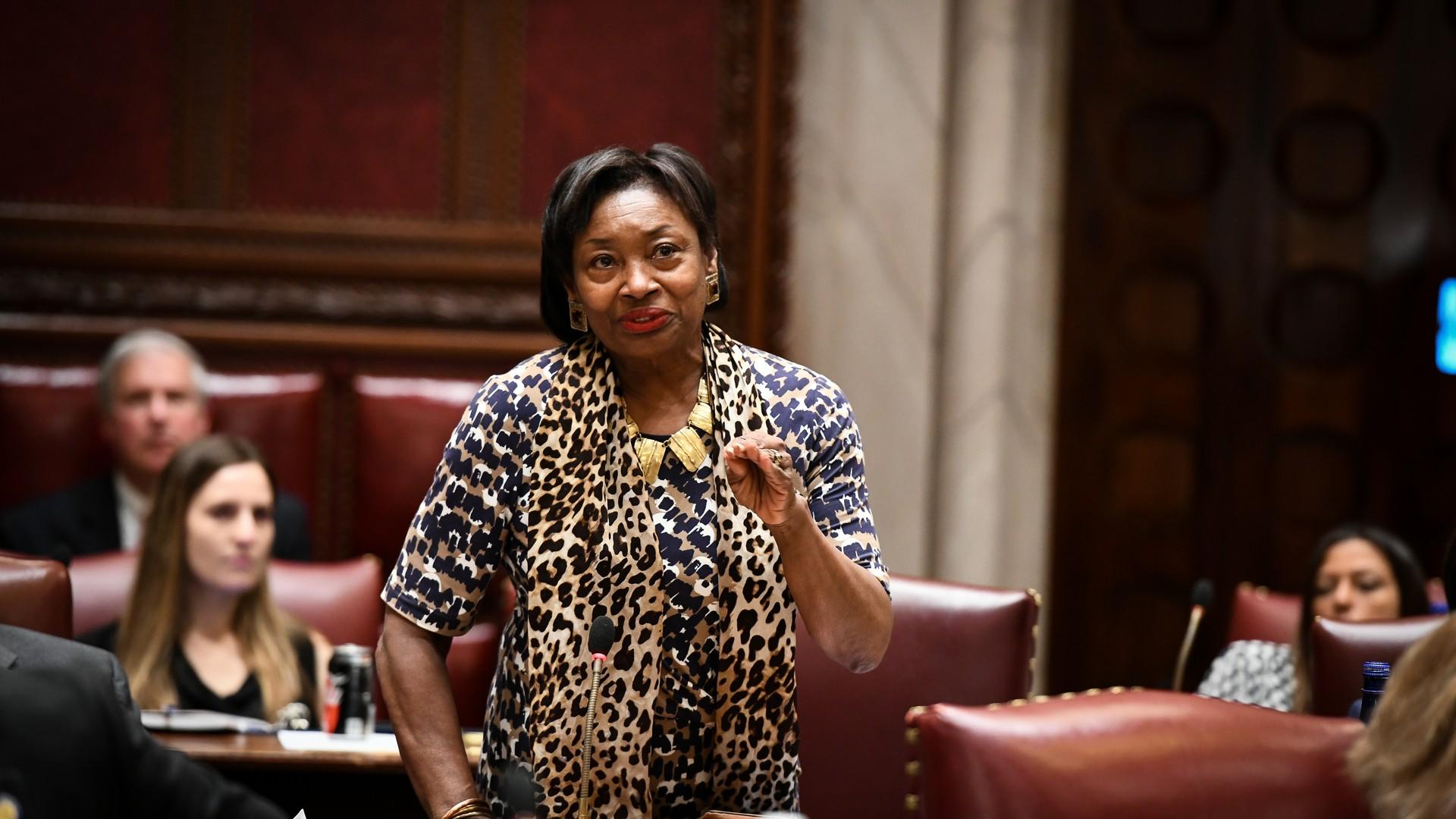
In an increasingly partisan world, it is easy for us to fall into an "us versus them" mentality. A lot of time gets spent in this paper talking about the practical political ramifications of that dynamic, with political corruption, power grabs and extremism generally being the outcomes that partisanship achieves, all to the detriment of WE THE PEOPLE. But there is often a far more corrosive human toll of our infighting. We forget that, at the end of the day, we all walk the same Earth, with the same troubles and fears, doing the best we can to provide for our families, and when we "attack" our perceived political enemies, that human commonality is lost.
The silver lining of death is that it clarifies and cuts through the rancor. We are all sons and daughters of someone, brothers and sisters, mothers and fathers. When one of us passes, people somewhere are mourning their loss. We have all been there and will be again, and THAT is our most important commonality. It is useful to take a moment to remember that and remember the lives of those who are gone.
Last week Andrea Stewart-Cousins, the top Democratic state senator, passed, and while we disagreed with much of what she stood for politically, it is useful for us to remember the person she was, the path she walked and why she walked it. In doing so we can see some of ourselves and remember what we are all fighting for.
Mike Lawler is a Republican congressman, and Stewart-Cousins spent two decades as a Democratic senator in Albany. When the Senate majority leader died last week at 76, his statement read like a note from an old friend.
"Though we had our policy disagreements, I will miss speaking with her at public events and enjoying a good laugh," Lawler said. Kind words after a death are easy to discount as manners, though her life story gives Republicans like Lawler good reason to mean them.
She was born in Manhattan in 1950 and raised in public housing there and in the Bronx. Her father, a decorated veteran of World War II, worked as a repairman, and her mother had a civil service job with the city. By 19 she was a single mother, supporting a son with a job at New York Telephone. A class-action suit later forced the company to open its marketing posts to women of color, and she landed one of them.
When the phone company broke apart, she took a buyout and studied journalism, then wrote for newspapers in Yonkers. She finished a bachelor's degree at Pace University while raising children and later earned teaching credentials at Lehman College. She and Thomas Cousins married in 1979 and settled in Yonkers, where a new mayor made her the city's first Black director of community affairs. She later served ten years as a county legislator in Westchester.
Her first run for the state Senate, in 2004, ended in an 18-vote loss to Nicholas Spano, the Republican incumbent, and she beat him two years later. Senate Democrats chose her as their leader in December 2012, and she became the first woman in state history to lead a legislative conference. She inherited a minority, because a breakaway group of Democrats had cut a power-sharing deal with Republicans that kept her party out of control even after it won a numerical edge.
She spent six years rebuilding, and after the 2018 elections handed Democrats the chamber, she took the gavel in January 2019. For generations, state budgets had been settled by three men in a room, and her arrival ended that. No Democrat has held the majority leader's post longer.
In her first session, the Senate passed protections for abortion rights, and lawmakers rewrote the rent laws in favor of tenants. Marijuana became legal on her watch, a package of gun laws followed in 2022, and she helped steer an amendment protecting reproductive freedom into the state constitution. In March 2021 she became the highest-ranking lawmaker in Albany to demand that Andrew Cuomo step down. "For the good of the state Governor Cuomo must resign," she said.
The 2019 bail law she championed ended cash bail for most misdemeanor and nonviolent felony charges. When prosecutors and Republican senators pointed to defendants who were freed and arrested again, she warned against fearmongering and asked for patience. "Change is hard," she said in January 2020. Lawmakers amended the law three times in four years, and each round gave ground to the critics she had asked to wait.
Conservatives are entitled to hold her policy achievements against her while still remembering how far she climbed without the usual political pedigree, to one of the top three posts in state government. Matt Slater, a Republican assemblyman who toured a college campus with her days before her death, said the two had served on "opposite sides of the political aisle," and he mourned her as a colleague all the same.
Each election seems to push the parties further into camps that see only enemies across the aisle. Most of the people in those camps entered public life for the reasons she did, to fight for their families and for the causes they believed in. Lawler and Slater remembered the laughs and the shared work along with the disagreements, and plenty of the people who voted against her would hope that someone on the other side will do the same for them one day.
When we are gone, how will we be remembered? Stewart-Cousins lived a remarkable life, and it is worth pausing to remember the human story she leaves behind.
Stewart-Cousins leaves three children and six grandchildren. Rest in peace.
You Might Also Be Interested In

On Hofstra‘s basketball and president controversies

Mamdani's Rikers Plan Counts on 2,500 People Leaving Custody

Hinojosa Should Answer the State's Case Against CAIR in Public