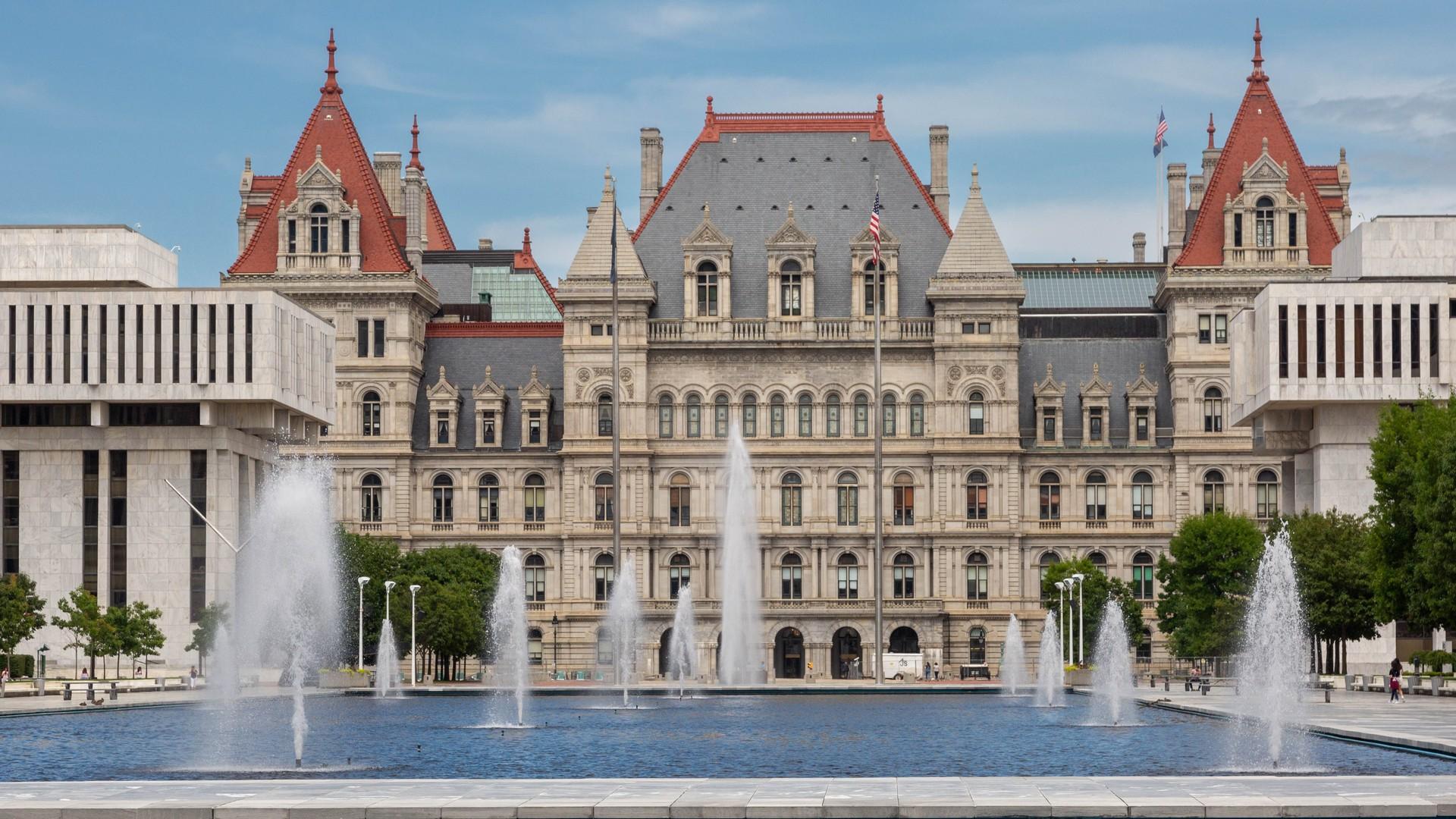
Mamdani's Rikers Plan Counts on 2,500 People Leaving Custody
City Hall's 2032 Rikers timetable depends on a population cut the city has not made

Mayor Zohran Mamdani's plan would close Rikers Island at the end of 2032 and replace it with 4,500 beds. City jails now hold about 6,600 people, and the plan fits that system only if about 2,500 people leave custody.
A week after the mayor released the plan, the official daily count stood at about 6,600 people in city jail custody, 86 percent of them still awaiting trial. The Board of Correction posts that census each day, and the figure matches the plan's own snapshot from late August.
Four new jails are planned, one in Brooklyn, one in the Bronx, one in Queens and one in Manhattan, with hospital treatment units bringing the total to 4,500 beds. Brooklyn is scheduled to open in 2029, with Queens and the Bronx two years later and Manhattan last, in 2032. The plan's own target is tighter still: no more than 5,500 people by the time the Brooklyn jail opens, and a cap of 4,100 when 2032 ends. Getting there from today's count requires shrinking the population by about 2,500 people, roughly two in every five now locked up.
The mayor was asked, at the announcement, what happens if the count does not fall. He said the four jails will have 4,160 beds and that the total rises to 4,500 once the hospital units are counted. "I am confident that we will not have to wonder about the hypothetical," he said. The work ahead, he argued, would produce "the very kind of census that our city has seen not that long ago." He added, "We know that detaining more New Yorkers does not make us safer."
In an appendix on population reduction, the plan states that the 4,100 figure "is not meant to be a forecast." It describes a set of "reduction scenarios" and says the city will later move to forecasting and tracking. That 4,100 figure is already the population the 4,500-bed system is supposed to hold by the end of 2032. Under local law, Rikers is still supposed to stop holding people by Aug. 31, 2027. The plan asks the City Council to push that date to Dec. 31, 2032. Until the Council changes the law, the earlier deadline remains the one in force, and that 2027 date arrives before the first of the four new jails is scheduled to open in 2029.
The plan puts the monthly average low at 3,970 in April 2020, in the first weeks of the pandemic shutdown, and that is the recent census the mayor pointed to. The same document gives the numbers for ordinary years. In 2017, the average stay for people leaving jail was 63 days. By 2025, it was 102 days. That year the city sent less than half as many people to Rikers to await trial as it had in 2017, but the number held there fell by only about a fifth, because cases took longer to resolve. The plan calculates that if the 2025 stays had been as short as they were eight years earlier, the daily average would have been about 4,200, close to the population it sets for the end of 2032.
The plan looks to diversion and to faster case processing. It also relies on supervised release, including electronic monitoring, and it would reduce women's beds in the Queens jail from 450 to 250. Public Advocate Jumaane Williams, speaking to the Board of Correction three days before the plan came out, warned that the population was "still far too high for the capacity of the proposed borough-based jails." He put the prior 30-day average near 6,600 and the planned capacity at just over 4,000. A week after the plan arrived, the official daily count had not moved.
The Council can move the legal date to the end of 2032, as the plan asks, and that would leave five more years to bring today's count down to the 4,100 target. The official daily count has not moved since late summer, and the plan's own figures show average stays growing longer, from 63 days in 2017 to 102 in 2025. The appendix that sets the 4,100 target says it is not a forecast, and those stay lengths and the daily census have not yet produced the lower population the new jail system is built to hold.
You Might Also Be Interested In
Hinojosa Should Answer the State's Case Against CAIR in Public

Iran's Lashes for a Song Leave Western Moral Equivalence Nowhere to Hide
Mamdani's Departing Unit Held the Line in Midwood. What Replaces It?