

Delray Beach's St. Patrick's Parade Can Return to Private Hands
Delray Beach says Florida's new law bars it from putting on its St. Patrick's Day parade, and Gov. Ron DeSantis calls that "malicious compliance." The statute still allows content-neutral permits and police protection for a privately run parade, which is how this one operated until around 2019.
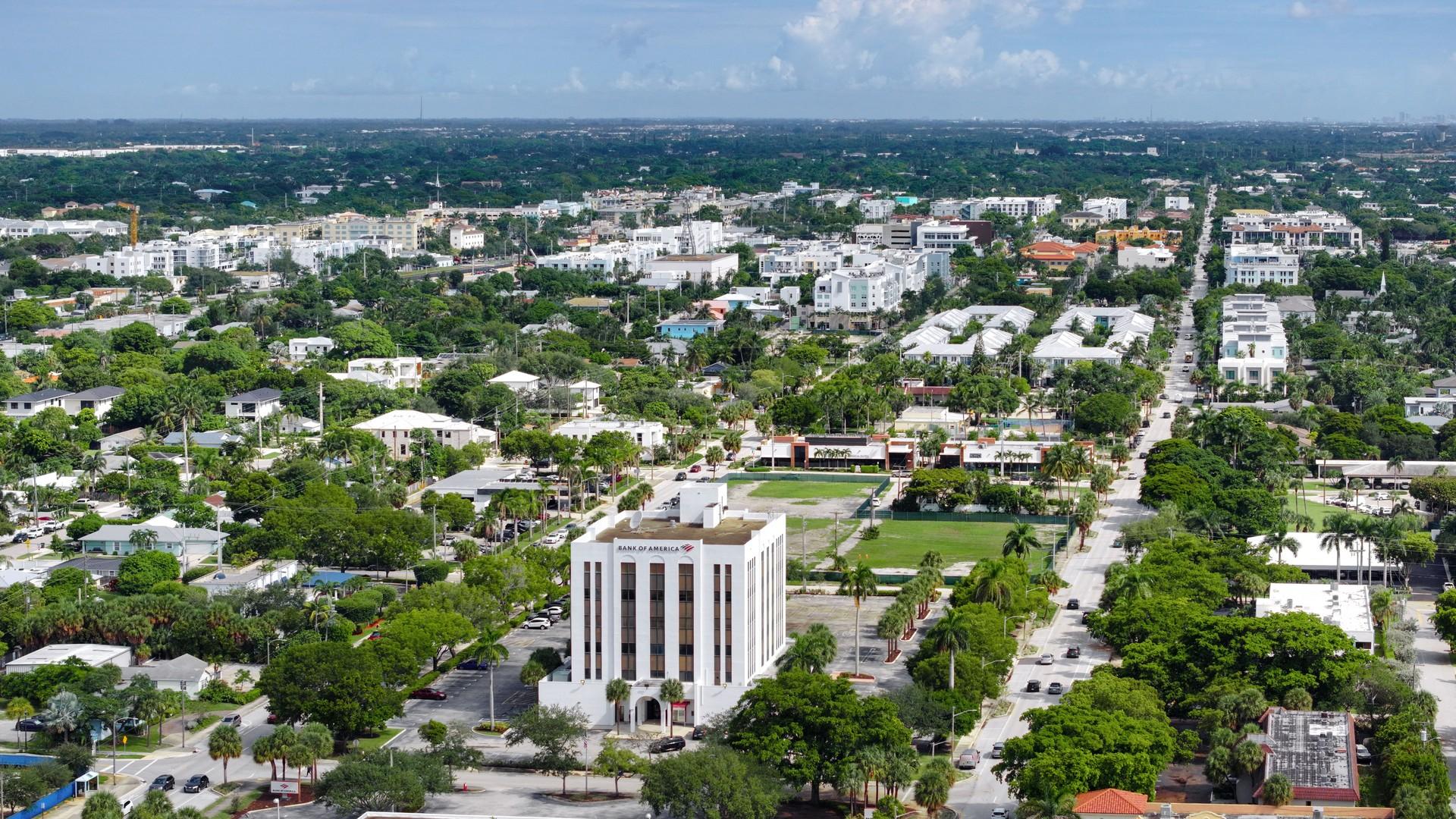
The St. Patrick's Day parade in Delray Beach has marched for close to six decades. Last week the city announced that Florida's new law on diversity programs leaves it legally prohibited from putting on or promoting the 2027 parade, and the same goes for its Pride festival. Gov. Ron DeSantis responded on Nov. 13 that the city was engaging in "malicious compliance" and wrote, "What they are doing is not mandated by Florida law." On the central point, that the law leaves room for a parade, the governor has the stronger case, and the city's own statements point toward the remedy. A heritage parade belongs to the people who love it, and the private hands that ran this one until around 2019 can run it again.
Senate Bill 1134 cleared the state Senate 25 to 11 and the House 77 to 37 before DeSantis signed it in April, and it takes effect Jan. 1. The law bars counties and cities from funding or promoting "diversity, equity, and inclusion," a term it defines to include preferential treatment or special benefits based on traits such as ethnicity and sexual orientation, along with programming or activities "designed or implemented with reference to" those traits. A violation by an official counts as misfeasance or malfeasance, and a resident may sue the city for damages.
The city's announcement framed the outcome as something imposed from Tallahassee. It described the decision as compliance with state law and added that the law "was not subject to a vote by Delray Beach residents or local elected officials." That description fits any bill the Legislature passes, and its inclusion reads as an effort to assign blame.
A cautious city can read a parade honoring Irish heritage as an activity designed with reference to ethnicity. The city pointed out that the holiday has no federal designation, so the exemption the law gives federal holidays does not apply, and officials bear the risk of guessing wrong. Caution about a broadly worded clause is defensible.
The way the city presented that caution is harder to defend. The same law expressly allows a city to issue event permits "in a content-neutral manner" and to provide public safety services. Delray Beach can still approve a permit for the route and post officers along the curb. The city's own website acknowledges that private groups remain free to sponsor and organize both events. What the statute removes is public money and promotion, along with city staff running the show. Officials have said residents answered the announcement with a flood of emails and calls, yet what ended was municipal sponsorship.
The parade's history shows the way back. Private organizers ran it until around 2019, when the city and fire department took on the hosting. Mayor Tom Carney, a Republican, has said the parade could pass to an outside group that raises the money and obtains a special event permit, and he wrote on Facebook that the city was "working feverishly with multiple entities to ensure the 2027 St. Patrick's Day parade goes on as scheduled!" As of local reports last week, no private sponsor had committed and the city had announced no finalized plan.
The statute names ethnicity and sexual orientation in the same clause, so the shamrock and the rainbow fall under the same rule, and that evenhandedness is its strongest feature. A city that writes checks for one community's heritage festival will hear from the next community, and sooner or later commissioners must decide whose identity merits public money. Florida lawmakers chose to take that decision away from local politicians. Irish Americans and gay residents alike remain free to throw the biggest party they can pay for and to march down a public street with a permit in hand.
New York offers a model. Its organizers say the first parade stepped off in 1762, more than a decade before American independence, and that volunteers have run it since its earliest days, many from generations of families who have done the work, through a registered nonprofit. A Florida beach town with a far shorter tradition can surely find enough devoted residents and local businesses to carry its own march.
The city's website invites prospective sponsors to contact its special events office, and the mayor has said he wants the 2027 parade to proceed as scheduled. A private organizer who applies for a permit should receive it on the same content-neutral terms as any other event, with police protection as the statute allows. If private sponsors come forward, the parade can go on without a line in the city budget, and Delray Beach can comply with the law while its Irish community keeps marching.
You Might Also Be Interested In

After Last Week's Outages, Officials Still Owe the Public a Full Accounting

America's Skies Are Running on Yesterday's Technology, and Congress Has Nobody to Blame but Itself

Parliament Should Strike 'Grossly Offensive' From the Speech Law