Mamdani's Sanctuary City Runs on Two Sets of Rules
City Hall treats federal immigration arrests as an assault on families, a sympathy ordinary lawbreakers rarely hear from it.
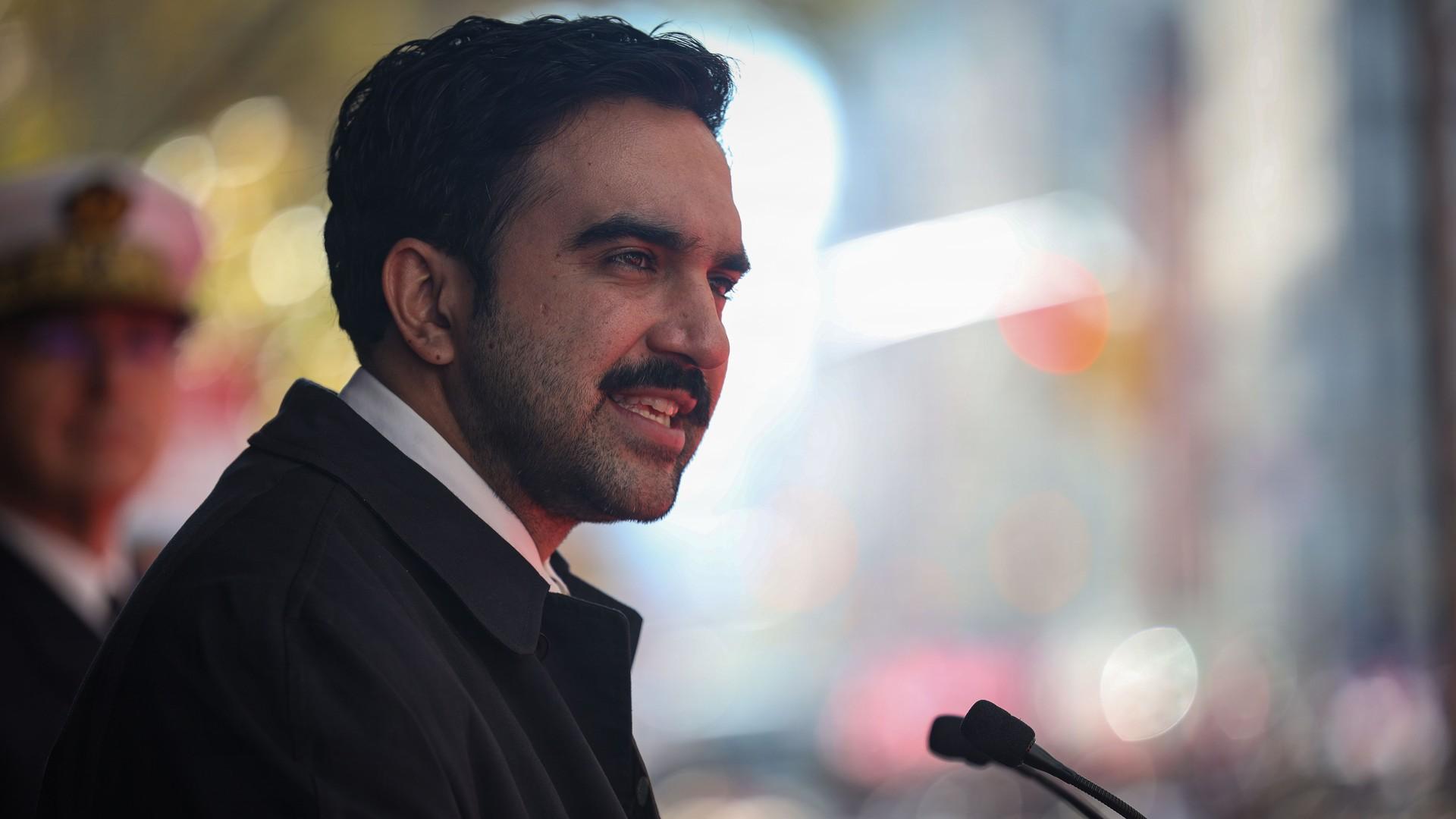
Mayor Zohran Mamdani spent Tuesday evening telling New Yorkers, in 13 languages, that federal immigration agents never stop "tearing New York City's families apart." The phrase applies a moral verdict to one kind of arrest that City Hall seldom applies to any other.
The posts, sent from the official mayoral account, steered readers to a free legal hotline run by the city's immigrant affairs office, reachable through a toll-free number or by dialing 311 and saying "Immigration Legal." None of the posts told anyone to hide from officers or ignore a warrant, and connecting people with lawyers breaks no law. The city has also put nearly $1.5 million into keeping that line open on weekends.
A month earlier, on Oct. 23, the mayor posted a "know your rights" video in English and Spanish, and the Spanish version passed 7 million views. In it he tells viewers that agents need a judge's signed warrant to enter a home, and that without one passed beneath the door, the door can stay shut. Anyone stopped on the street may stay silent, ask "Am I free to go?" and walk away calmly, and should sign nothing before speaking with a lawyer. Critics argue the video is coaching people on how to avoid federal officers, and Rep. Nick LaLota accused the mayor of using taxpayer resources to teach people here illegally how to evade accountability. Each piece of that advice is lawful on its own, but a mayor broadcasting it to millions from City Hall has chosen a side.
Any parent arrested on a felony warrant is separated from the children the moment the cuffs close, and so is anyone held on bail that a family cannot raise. The city's own jail plan, which calls for closing Rikers Island by 2032, counts about 6,600 people in custody today, and each of them left someone behind. No one expects City Hall to call those arrests an assault on families. Separation is understood, correctly, as a consequence that follows the breaking of a law, and it lands on citizens every day without a multilingual alert from the mayor.
Federal immigration statutes are laws as well, written by Congress and enforced by agents who answer to the courts. Treating their enforcement as a cruelty, while treating every other arrest as routine, builds a two-class system. Ordinary New Yorkers are expected to follow the rules and accept the penalties, while people who entered or stayed unlawfully are offered city advocates and a government that openly promises to resist.
An executive order Mamdani signed in February bars federal immigration agents from the nonpublic areas of city property, including schools, shelters and hospitals, unless they carry a judicial warrant. Earlier this month he warned the Department of Homeland Security that the city would go to court if agents kept parking in city lots. The city's public hospitals enroll residents in a low-cost care program regardless of immigration status, and the council's finance chair said the June budget deal restored about $86 million for nonprofit immigrant legal services. Each of those steps narrows the places and moments where an officer can lawfully make an arrest, and each is paid for by taxpayers who enjoy none of those protections when the local precinct comes calling.
Speaking at American University on July 1, 2010, President Barack Obama made the case against this posture himself. He described the push to halt deportations until better laws arrive as an approach that "would be both unwise and unfair." The country, he said, "has the right and obligation to control its borders and set laws for residency and citizenship," and those who broke those laws "should be held accountable." The same speech called rounding up and deporting 11 million people "logistically impossible and wildly expensive," so his remarks offer no license for sweeping roundups. They do describe the position Mamdani now rejects.
Albany has shown every sign of following the city's lead. Gov. Kathy Hochul signed a state law in May that banned local police agreements with Immigration and Customs Enforcement, and county jails had until Wednesday to end any contract to hold civil immigration detainees for the federal government. At an August news conference she offered her own version of the mayor's frame: "Breaking up drug rings, not breaking up families." When Mamdani threatened ICE over the city lots, Hochul added, "I stand with Mayor Mamdani in demanding an end to the unauthorized use of City property for these operations." She has also said New York still works with ICE to deport people convicted of crimes once they finish their sentences, and that the state "will never become a sanctuary for criminals." That assurance carries less weight with each new measure.
Democrats won control of both the House and the Senate in this month's midterm elections, and they head toward 2028 with little pressure to moderate. A party whose most energetic officials treat federal enforcement as the enemy will be tempted to nominate someone who governs the same way.
New York has often been the place where national fights show up first, and Mamdani is the canary in the coal mine. He is doing everything he can to shield people who are here illegally, in public, with Albany beside him. His record is a systematic effort to narrow federal enforcement and to recast the arrests that remain as an assault on families. If the party adopts that record as its standard, the two-class system already running in this city will be the preview of a national one.
You Might Also Be Interested In

Giuliani Earned the Medal in the Years His Critics Skip
Sotomayor Weighs Term Limits After 17 Years on the Bench

Miss Israel's Peace Cape Became a Political Target